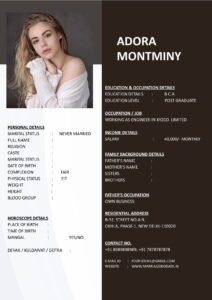
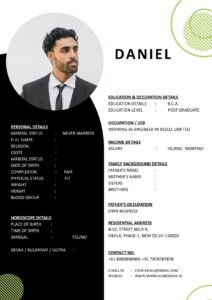
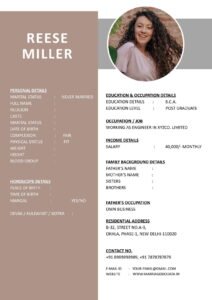
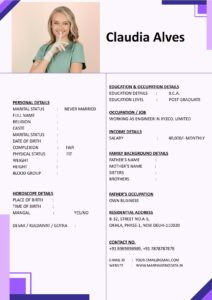
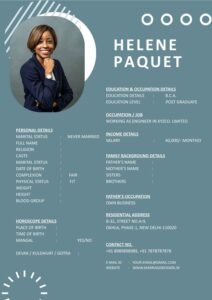
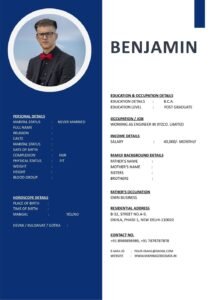
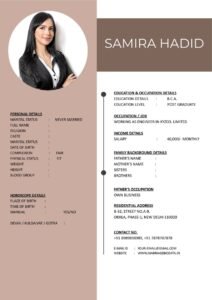
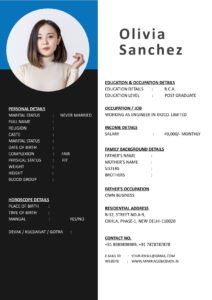
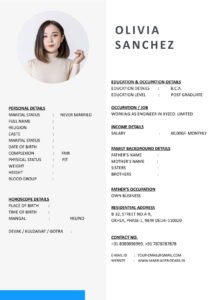
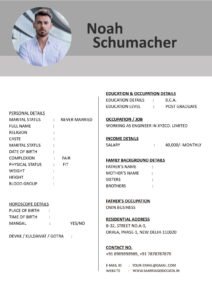
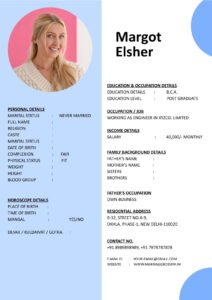
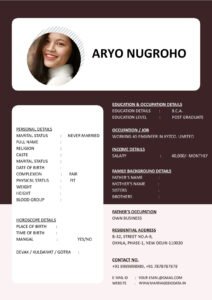
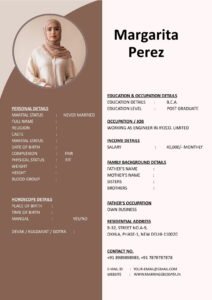
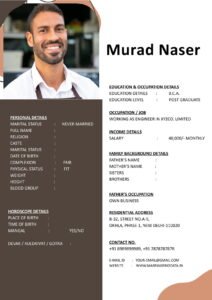
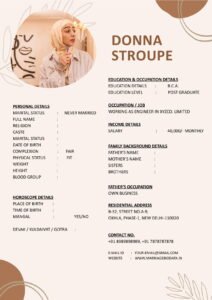
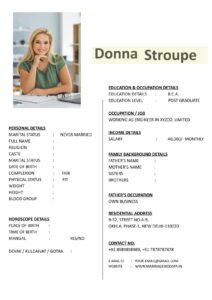
For many Indian families, sharing a child’s biodata is not just a formality — it is an emotional step. It represents years of upbringing, values, dreams, and expectations. Parents naturally want to present their son or daughter in the best possible way. However, while doing so, small mistakes can reduce the impact of even the most well-prepared profile.
If you are about to share your child’s biodata with another family or on a matrimonial platform, this guide on 10 Do’s and Don’ts for Parents Sharing Their Child’s Biodata will help you avoid common errors and create a positive first impression.
A well-structured and thoughtfully shared biodata for marriage increases the chances of finding the right match — not just quickly, but wisely.
What Is a Marriage Biodata?
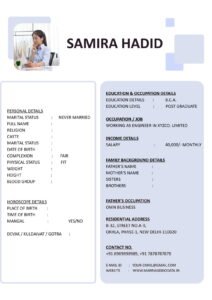
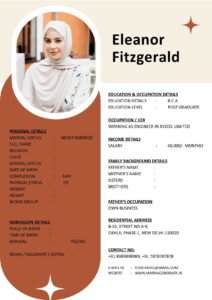
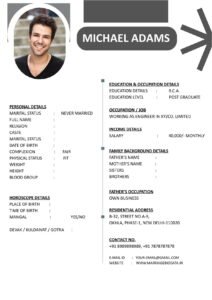
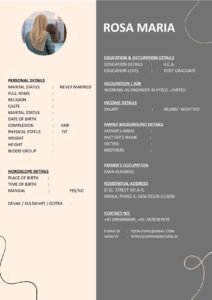
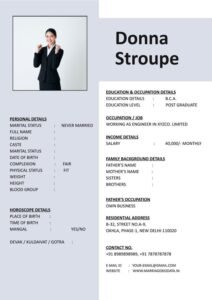
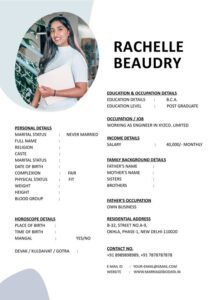
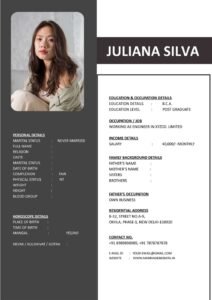
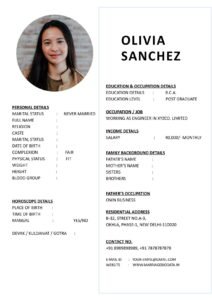
A marriage biodata is a structured document that includes personal, educational, professional, and family details of a bride or groom. It is sometimes called a matrimonial biodata or even a marriage CV.
Unlike a job resume, this document is meant to introduce a person for a lifelong partnership. Therefore, the tone, content, and presentation matter a lot.
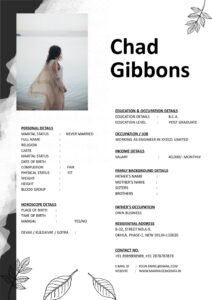
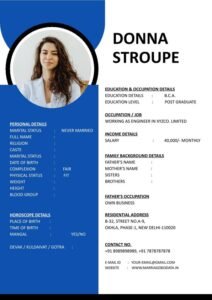
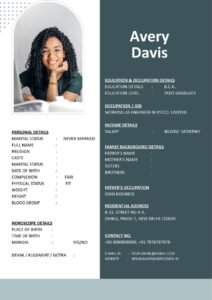
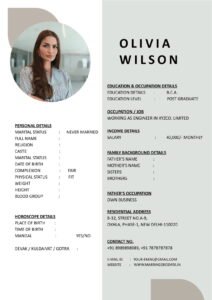
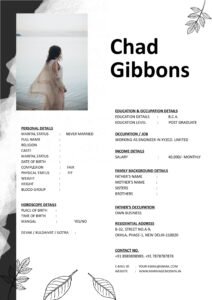
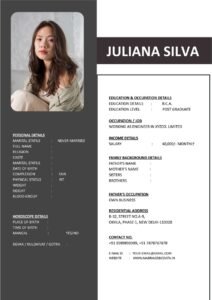
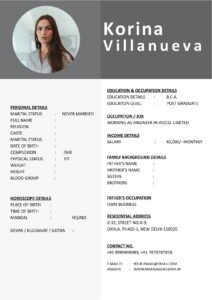
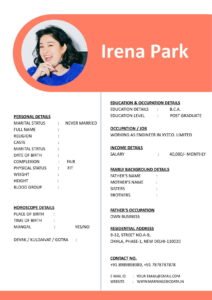
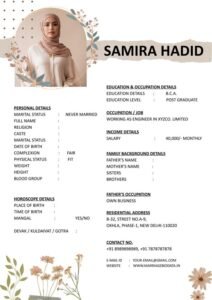
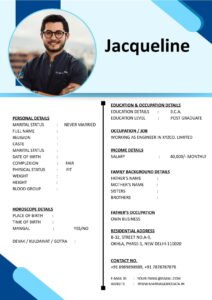
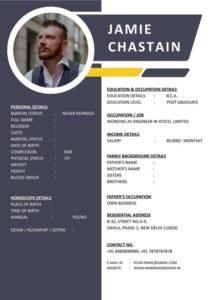
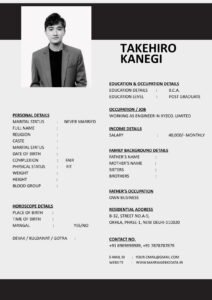
A good marriage biodata format keeps information organized and easy to understand. It includes sections like:
- Basic personal details
- Education and career information
- Family background
- Hobbies and interests
- Partner expectations
Using a clean and professional biodata template ensures the document looks presentable and trustworthy.
Why Sharing the Biodata the Right Way Is Important
Preparing a biodata is only half the job. Sharing it properly is equally important.
When you send a matrimonial biodata to another family, you are starting a conversation. The way you present and communicate sets the tone for everything that follows.
Sharing it thoughtfully helps:
- Build mutual respect
- Avoid misunderstandings
- Maintain privacy
- Create a strong first impression
Now let’s understand the 10 important do’s and don’ts every parent should keep in mind.
10 Do’s and Don’ts for Parents Sharing Their Child’s Biodata
1. DO Use a Clear and Professional Marriage Biodata Format
First impressions matter. A messy document with random fonts or too many colors looks unprofessional.
Choose a simple and clean marriage biodata format. Keep headings clear and information structured. If you are unsure, you can download ready-made biodata templates from https://marriagebiodata.in/ and customize them easily.
DON’T Send an Incomplete Profile
A biodata for marriage should not feel half-prepared. Missing education details, unclear job descriptions, or incomplete family information create doubts.
Before sharing, double-check that everything essential is included.
2. DO Take Your Child’s Permission Before Sharing
This is extremely important.
Always discuss with your son or daughter before sending their marriage CV to anyone. They should know who is receiving it and agree to the proposal.
DON’T Share Without Consent
Sharing biodata without your child’s knowledge can create discomfort and misunderstandings later.
3. DO Keep Information Honest and Transparent
Honesty builds trust. Mention accurate details about:
- Age
- Height
- Education
- Salary
- Career goals
Clear communication reduces awkward conversations later.
DON’T Exaggerate Achievements
Overstating income or job roles may seem harmless, but it can damage credibility. A simple and truthful matrimonial biodata always works better.
4. DO Share Through the Right Channel
When possible, share the biodata personally or through trusted contacts. Add a short, polite introduction message.
For example:
- Introduce your family briefly
- Mention how you received their reference
- Express interest respectfully
DON’T Forward Randomly in Groups
Avoid sending your child’s biodata in multiple WhatsApp groups without checking. It may lead to privacy issues.
5. DO Attach a Recent and Clear Photograph
A good-quality, recent photograph adds authenticity. Choose a simple and natural picture.
DON’T Use Heavily Edited Photos
Over-filtered or outdated photos can create unrealistic expectations.
6. DO Keep the Biodata Concise
1–2 pages are more than enough for a marriage biodata.
Focus on important details rather than writing long paragraphs about every achievement.
DON’T Turn It Into a Biography
Families prefer clarity. Too much information can overwhelm the reader.
7. DO Mention Realistic Expectations
It is completely fine to mention partner preferences. Just keep them reasonable and respectful.
DON’T List Demanding Conditions
Rigid or demanding language can create a negative impression.
8. DO Proofread Before Sending
Spelling mistakes and formatting errors reduce professionalism.
Read it twice before sharing.
DON’T Rush the Process
Take your time. Review calmly instead of sending immediately after creating it.
9. DO Maintain Privacy
Share only necessary contact details. It is better to exchange full contact information after initial discussions.
DON’T Share Sensitive Information Publicly
Avoid including details like exact home address or confidential documents in the first version.
10. DO Follow Up Politely
If you don’t receive a response, wait a few days and follow up respectfully.
DON’T Pressure the Other Family
Marriage discussions take time. Patience shows maturity.
Step-by-Step Guide to Sharing Your Child’s Biodata
- Prepare a structured biodata template.
- Review it together with your child.
- Proofread carefully.
- Attach a recent photograph.
- Send with a polite introduction message.
- Wait patiently for a response.
This simple approach keeps the process respectful and smooth.
Real-Life Example
Mr. Sharma prepared his daughter’s matrimonial biodata and sent it to several contacts without discussing it with her. He also exaggerated her salary slightly, thinking it would attract better proposals.
During one discussion, the salary detail did not match what his daughter mentioned. The conversation ended immediately.
Later, they revised the biodata honestly, used a clean marriage biodata format, and involved their daughter in the process. Within a few months, they found a compatible match.
The key difference? Transparency and teamwork.
Common Mistakes to Avoid
- Using outdated biodata templates
- Writing in overly formal or robotic language
- Ignoring your child’s preferences
- Sharing without verifying details
- Comparing with other families unnecessarily
A biodata for marriage should reflect dignity and authenticity — not competition.
Pro Tips for Parents
- Focus on values, not only income or status.
- Be respectful in communication.
- Update the biodata if there are major life changes.
- Store a PDF version for easy sharing.
- Use a trusted platform like marriagebiodata.in for professionally designed biodata templates.
Remember, marriage is about compatibility, not perfection.
Conclusion
Sharing your child’s biodata is a sensitive and meaningful step. By following these 10 Do’s and Don’ts for Parents Sharing Their Child’s Biodata, you can avoid unnecessary misunderstandings and create a respectful start to matrimonial discussions.
A well-prepared marriage biodata format, honest details, and thoughtful communication make a powerful difference. Involve your child, keep the information clear, and approach the process with patience.
When authenticity leads the way, the right match naturally follows.
Frequently Asked Questions (FAQ)
1. How long should a marriage biodata be?
Ideally, 1–2 pages are enough. Keep it clear and structured using a proper biodata template.
2. Should parents or the child write the biodata?
Both should work together. The child’s personality and preferences must be reflected clearly.
3. Is it safe to share biodata in WhatsApp groups?
It is better to share personally or with trusted contacts to protect privacy.
4. Can we update the marriage CV after sharing?
Yes. If there are changes in job, education, or preferences, you can revise and resend the updated version.
5. Where can we find a good marriage biodata format?
You can find professionally designed and easy-to-edit biodata templates on trusted websites that specialize in matrimonial formats.