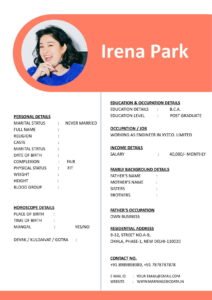
Starting a marriage biodata from scratch can feel confusing. What should you include? What should you avoid? How detailed should it be?
Many people either overthink it or copy someone else’s format without understanding what truly matters. The result? A biodata that feels incomplete, cluttered, or too generic.
If you want clarity and confidence, this 10-Step Checklist to Write a Perfect Marriage Biodata from Scratch will guide you step by step. Whether you are creating your first biodata for marriage or updating an old one, this guide will help you structure it properly, keep it simple, and make a strong first impression.
What Is a Marriage Biodata?
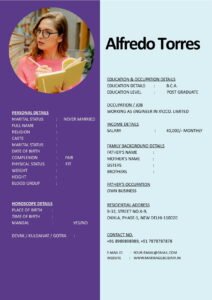
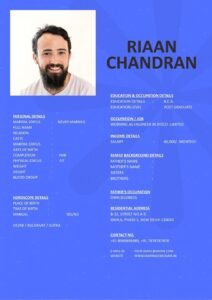
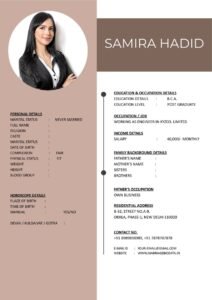
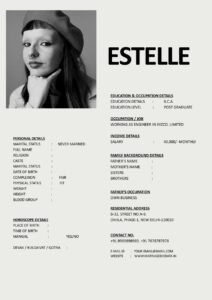
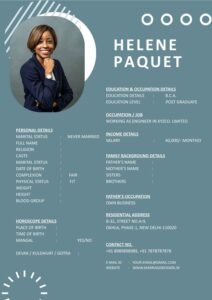
A marriage biodata is a formal document used in matrimonial searches. It presents personal, educational, professional, and family details in a clear and organized manner.
You can think of it as a marriage CV, but instead of applying for a job, you are introducing yourself for a life partnership. A well-prepared matrimonial biodata reflects your personality, values, and background in a structured way.
The key is balance — not too short, not too lengthy. Not too formal, but not casual either.
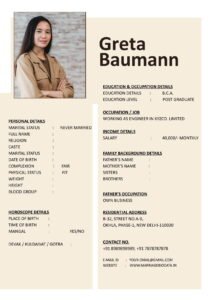
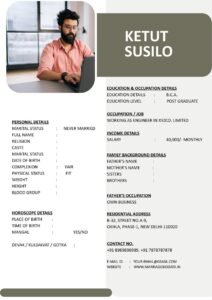
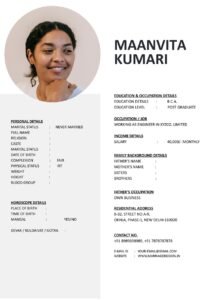
Why a Proper Marriage Biodata Is Important
In arranged marriage setups, families often review many profiles in a short time. Your biodata becomes your first impression before any conversation happens.
A clean and well-structured marriage biodata format shows:
- Clarity and seriousness
- Respect for the process
- Attention to detail
- Maturity in communication
When information is easy to understand, it builds trust immediately.
10-Step Checklist to Write a Perfect Marriage Biodata from Scratch
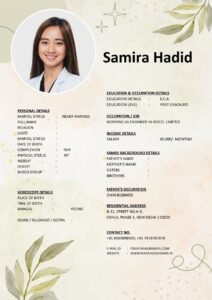
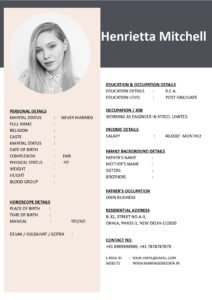
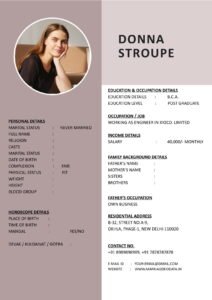
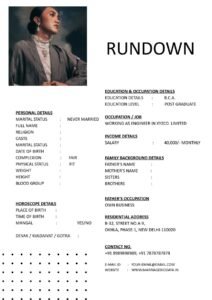
Step 1: Choose the Right Marriage Biodata Format
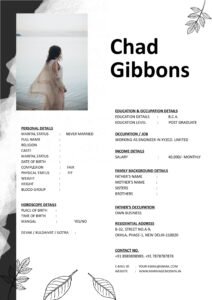
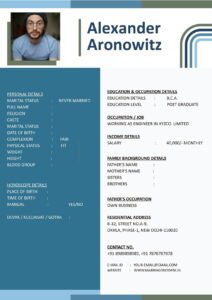
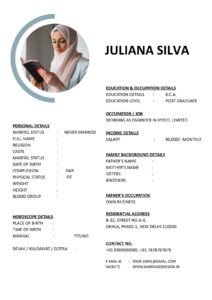
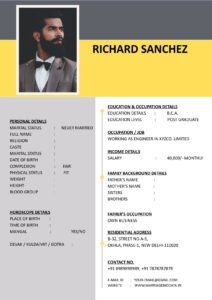
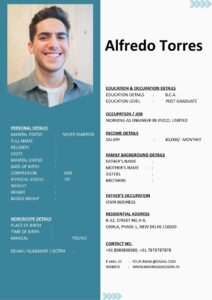
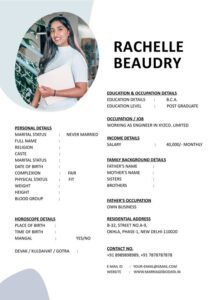
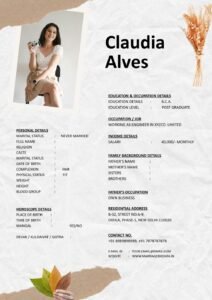
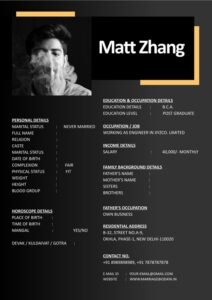
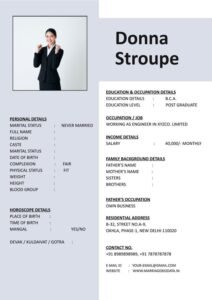
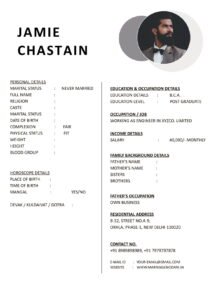
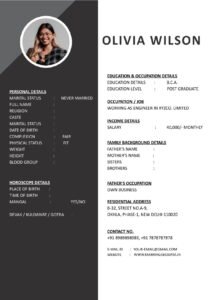
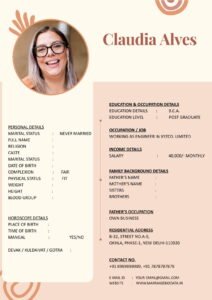
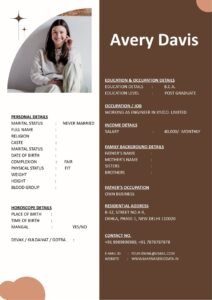
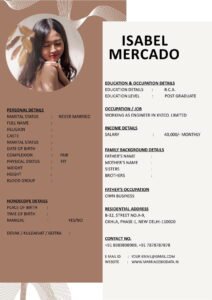
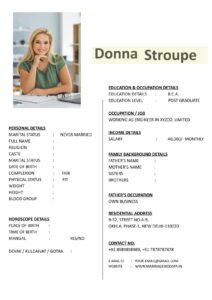
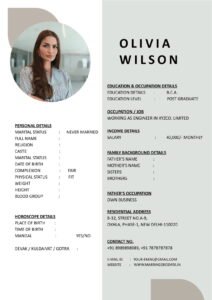
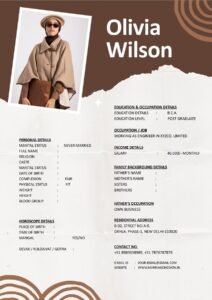
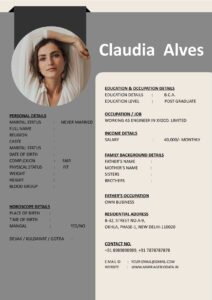
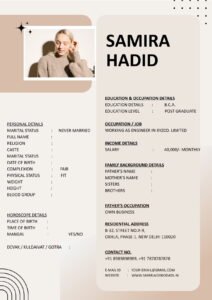
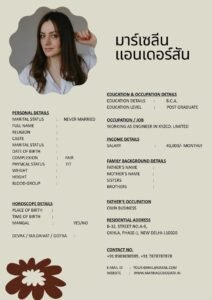
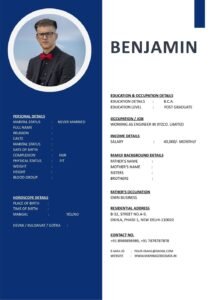
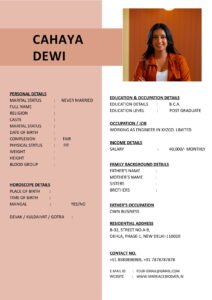
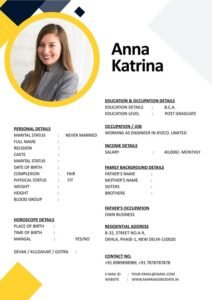
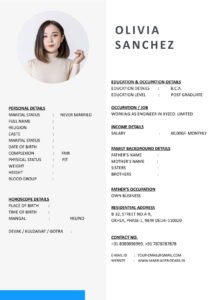
Before writing anything, select a clean and professional marriage biodata format. Avoid heavy designs or too many colors.
If you are unsure where to start, you can explore ready-made biodata template options at https://marriagebiodata.in/. A structured template saves time and ensures proper layout.
Step 2: Start With Basic Personal Details
Keep this section simple and clear. Include:
- Full Name
- Date of Birth / Age
- Height
- Religion / Caste (if relevant)
- Location
- Contact Information
Use bullet points instead of long paragraphs.
Step 3: Add a Short Introduction
Write a brief 3–4 line introduction. Keep it natural and honest.
Example:
“I come from a well-educated and supportive family. I value honesty, mutual respect, and work-life balance. I enjoy spending time with family and learning new skills.”
Avoid writing overly dramatic or exaggerated descriptions.
Step 4: Clearly Mention Education
Education is one of the first things families check in a biodata for marriage.
- Highest Qualification
- Field of Study
- University or Institute
Keep it structured and easy to scan.
Step 5: Highlight Professional Details
This section should be specific and clear:
- Current Job Title
- Company Name (optional)
- Work Location
- Years of Experience
- Annual Income (approximate)
Be honest. Transparency builds credibility.
Step 6: Include Family Background
Family details are important in a matrimonial biodata. Keep it respectful and organized:
- Father’s Occupation
- Mother’s Occupation
- Siblings and their profession
- Family Type (Joint/Nuclear)
Short bullet points work better than paragraphs here.
Step 7: Add Lifestyle and Hobbies
This section gives personality to your marriage CV.
- Hobbies (reading, travel, fitness, music)
- Food preference (vegetarian/non-vegetarian)
- Lifestyle habits (non-smoker, non-drinker if applicable)
Keep it real. Do not add hobbies just to impress.
Step 8: Write Clear Partner Expectations
Expectations should be reasonable and mature. Avoid long lists.
Example:
- Well-educated and family-oriented
- Understanding and supportive
- Values mutual respect
This shows clarity without sounding demanding.
Step 9: Add a Professional Photograph
Choose a recent, high-quality photo with:
- Simple background
- Good lighting
- Decent attire
- Natural expression
Your photo creates immediate visual impression.
Step 10: Review and Edit Carefully
Before sharing your matrimonial biodata, check for:
- Spelling mistakes
- Grammar errors
- Formatting consistency
- Updated information
Small corrections make a big difference.
Real-Life Example
Arjun, 30, wanted to create his biodata for marriage but didn’t know where to begin. He initially wrote everything in long paragraphs without structure.
After following a checklist like this:
- He selected a clean biodata template.
- Converted paragraphs into bullet points.
- Shortened his introduction.
- Organized family and professional details clearly.
The response from families improved significantly. His details did not change — only presentation improved.
Common Mistakes to Avoid
- Writing 4–5 page long documents
- Using casual language
- Adding unnecessary personal information
- Exaggerating salary or achievements
- Using outdated or cluttered marriage biodata format
- Forgetting to update job or location
Remember, simplicity and clarity are more powerful than decoration.
Pro Tips for a Professional Finish
1. Keep It Within 1–2 Pages
Concise biodata feels professional.
2. Maintain Consistent Formatting
Use same font style and size throughout.
3. Use Headings Properly
Clear headings improve readability instantly.
4. Leave Proper White Space
Do not overcrowd information.
5. Update Regularly
Promotion, relocation, or further studies? Update immediately.
6. Use a Ready-Made Template if Needed
If formatting feels overwhelming, download structured templates from https://marriagebiodata.in/ and customize them according to your details.
Conclusion
Writing a perfect marriage biodata from scratch does not have to be complicated. With the right checklist, you can create a clear, structured, and impressive profile step by step.
This 10-Step Checklist to Write a Perfect Marriage Biodata from Scratch ensures you cover all essential sections — personal details, education, profession, family background, lifestyle, and expectations.
Focus on clarity. Stay honest. Keep it simple.
Your marriage biodata is not just a document. It is your first introduction to a future life partner. Make it thoughtful and well-presented.
Frequently Asked Questions (FAQs)
1. How long should a biodata for marriage be?
Ideally, it should be 1–2 pages. It should include essential information without becoming lengthy.
2. Is a marriage CV different from a regular resume?
Yes. A marriage CV includes personal and family details along with professional background, unlike a job resume which focuses only on career.
3. Can I use a biodata template?
Yes, using a biodata template helps maintain proper structure and saves time.
4. Should I mention salary in matrimonial biodata?
Yes, you can mention approximate annual income. Be honest and transparent.
5. How often should I update my marriage biodata?
Update it whenever there is a major change in job, salary, education, or location.