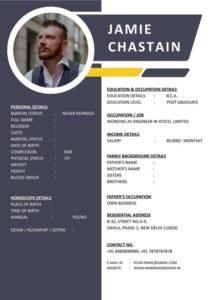
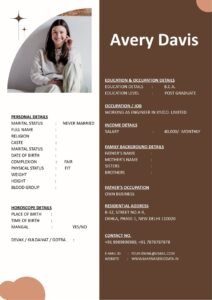
Sharing your marriage biodata is an important step in the matchmaking process. It introduces you to potential partners and their families, helping them understand your background, values, and lifestyle. However, in today’s digital world — where biodata is often shared through WhatsApp, email, and matrimonial websites — protecting your privacy is just as important as presenting accurate information.

Many people unknowingly include sensitive details that can lead to misuse of personal information. This guide on privacy tips: what you should never share in your marriage biodata will help you strike the right balance between openness and safety.
What Is a Marriage Biodata?
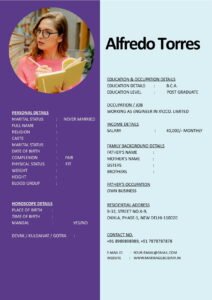
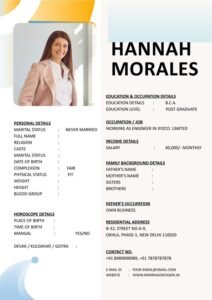
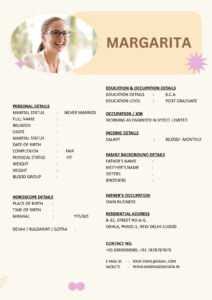
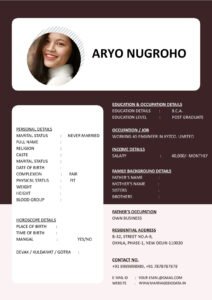
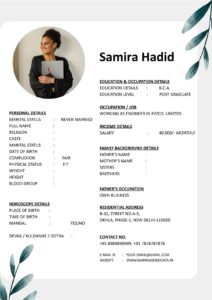
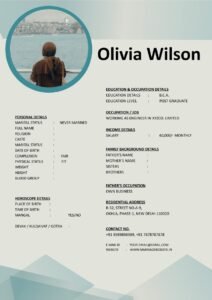
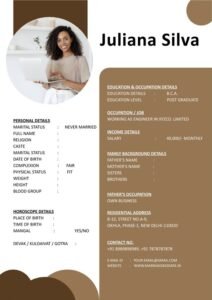
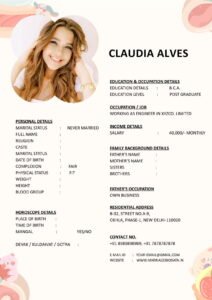
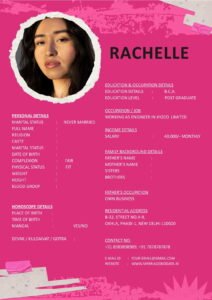
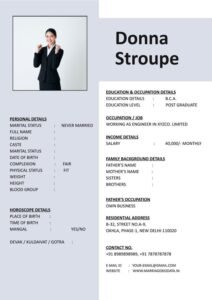
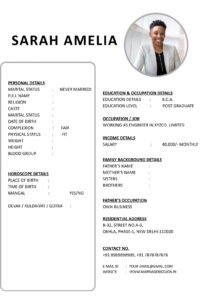
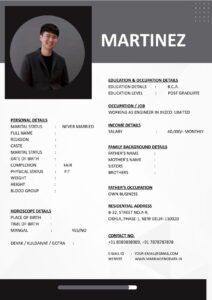
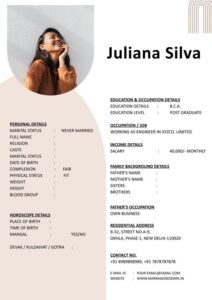
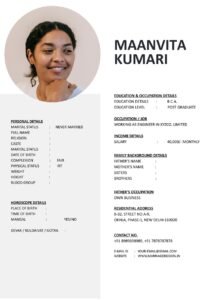
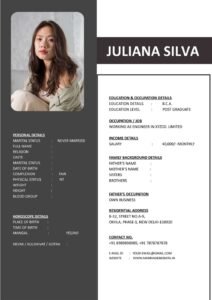
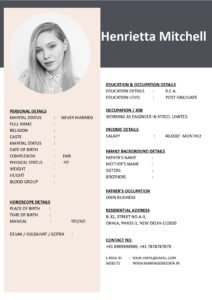
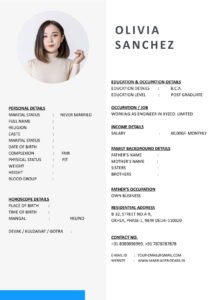
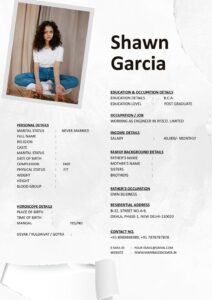
A marriage biodata is a document that presents personal details, education, profession, family background, and partner preferences for matrimonial purposes. It functions like a marriage CV, providing a clear overview for families and potential matches.
Since matrimonial biodata is often shared digitally, protecting sensitive information is essential.
Why Privacy Matters in Marriage Biodata
Your biodata may be forwarded to multiple people — sometimes beyond your immediate circle. Protecting personal information helps prevent misuse and ensures your safety.
- Prevents identity theft
- Protects financial information
- Ensures personal safety
- Maintains professional boundaries
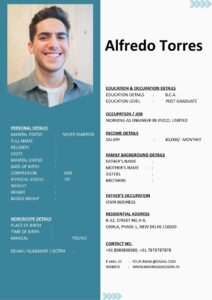
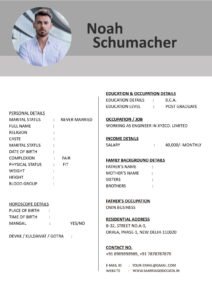
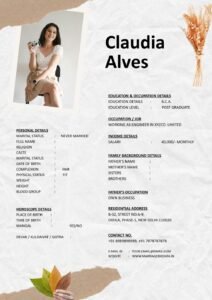
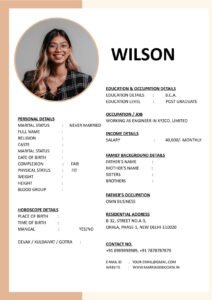
A thoughtful marriage biodata format includes only essential details while safeguarding sensitive information.
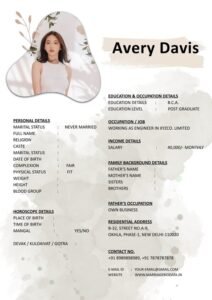
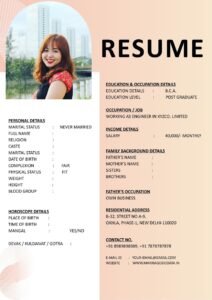
What You Should Never Share in Your Marriage Biodata
1. Full Residential Address
Sharing your exact home address can compromise your safety.
- Use city and state instead
- Example: “Delhi, India” instead of full address
2. Personal Identification Numbers
Never include sensitive IDs such as:
- Aadhaar number
- PAN card details
- Passport number
- Driving license number
These details can be misused for identity theft.
3. Bank Details or Financial Information
Your biodata is not a financial document.
- Avoid sharing bank account numbers
- Do not include credit card details
4. Exact Salary Slips or Financial Documents
While mentioning income range is optional, sharing documents or exact financial details is unnecessary.
5. Personal Contact Information in Public Profiles
If your biodata is posted online, avoid sharing:
- Primary phone number
- Personal email address
Instead, share contact details only with verified families.
6. Social Media Passwords or Private Links
Never share private account details. If needed, share public profile links cautiously.
7. Sensitive Family Information
Keep family details respectful and general.
- Avoid financial status details
- Do not disclose personal family disputes
8. Medical Records
Health details should be discussed privately if necessary, not included in the biodata.
What You Can Safely Include
To maintain clarity while protecting privacy, include only essential details.
- Name and basic personal details
- City and country
- Education and profession
- Family background (general)
- Values and lifestyle
A structured biodata template helps present these details clearly without oversharing.
Step-by-Step Guide to Protecting Privacy in Your Biodata
Step 1: Review Your Existing Biodata
Check for sensitive information that should be removed.
Step 2: Replace Detailed Data with General Information
Use city instead of full address and general income range instead of exact salary.
Step 3: Limit Contact Information
Share personal contact details only with trusted families.
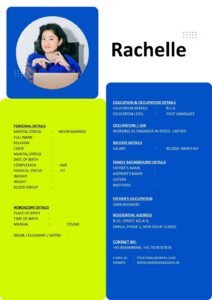
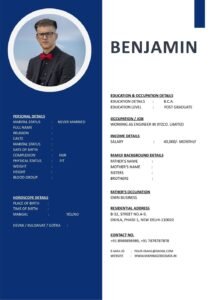
Step 4: Use a Professional Template
A well-structured format ensures clarity without oversharing. You can explore safe and modern templates at marriagebiodata.in to create a secure and professional biodata.
Step 5: Share Selectively
Send your biodata only to verified individuals or families.
Real-Life Example
Rahul shared his biodata publicly on a matrimonial platform, including his full address and personal email. He later received spam messages and unwanted contact. After updating his biodata to include only his city and using a separate email for matrimonial purposes, he avoided further issues.
This highlights the importance of protecting personal information.
Common Mistakes to Avoid
- Sharing full address: Compromises safety.
- Including ID numbers: Risk of identity theft.
- Posting contact details publicly: Leads to spam.
- Oversharing financial details: Unnecessary and risky.
- Ignoring privacy settings on platforms: Always review visibility.
Pro Tips for Maintaining Privacy and Safety
- Create a separate email: Use it for matrimonial communication.
- Verify profiles: Share details only with genuine inquiries.
- Use watermarked PDFs: Prevent misuse of photos.
- Limit photo sharing: Share additional photos privately.
- Use secure templates: Download safe and structured formats from marriagebiodata.in to protect your information.
Balancing Transparency and Privacy
While honesty is important, it does not mean sharing every detail publicly. A well-prepared matrimonial biodata should provide enough information for families to understand your background while keeping sensitive data private.
This balance ensures safety without compromising trust.
Conclusion
Your marriage biodata is a valuable document that introduces you to potential life partners and their families. While it is important to be transparent and informative, protecting your privacy should always be a priority.
By avoiding sensitive details such as full addresses, identification numbers, financial information, and private contact details, you can ensure your safety while maintaining a professional and trustworthy profile.
Use a clean and secure marriage biodata format, share information selectively, and consider using structured templates from marriagebiodata.in to create a safe and polished biodata.
Frequently Asked Questions (FAQs)
1. Is it safe to share my full address in a marriage biodata?
No, it is safer to mention only your city and country.
2. Should I include my salary details?
You may mention a general income range if culturally appropriate, but avoid sharing exact financial documents.
3. Can I share my phone number in a matrimonial profile?
Share your number only with verified families to avoid spam and misuse.
4. Why should I avoid sharing ID numbers?
Personal identification numbers can be misused for identity theft and fraud.
5. Where can I find secure biodata templates?
You can download safe and modern templates from marriagebiodata.in to create a professional and privacy-friendly matrimonial biodata.