The way people find life partners has evolved significantly over the years. Traditional arranged marriages continue to thrive, while online matrimony platforms have made matchmaking faster and more accessible. Yet, one element remains central in both approaches — the marriage biodata.
If you have ever wondered about arranged marriage vs online matrimony: where does biodata fit in?, the answer is simple: it serves as your introduction in both worlds. Whether shared through family networks or uploaded to a matrimony site, your biodata for marriage helps others understand who you are, your values, and your expectations.
What Is a Marriage Biodata?
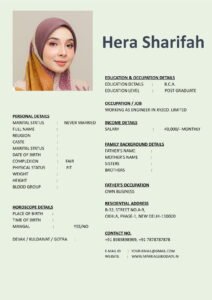
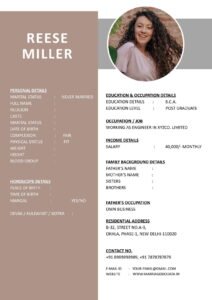
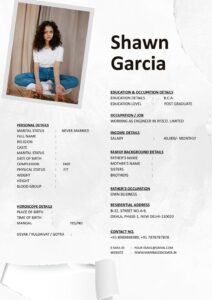
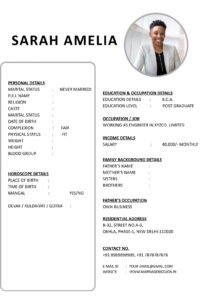
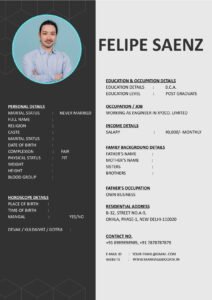
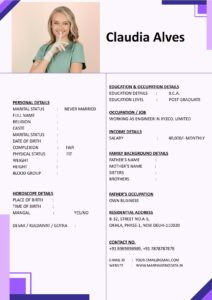
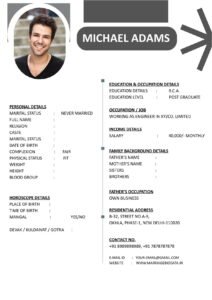
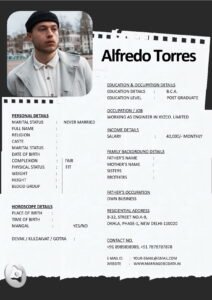
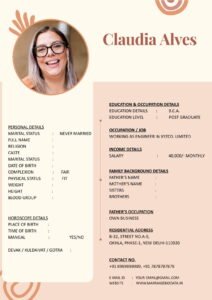
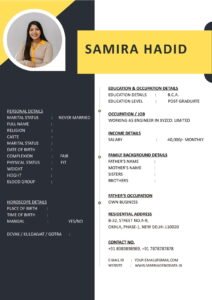
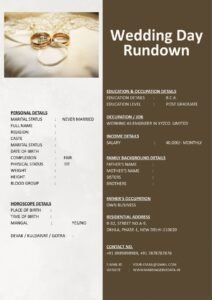
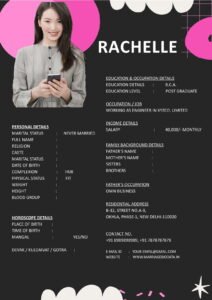
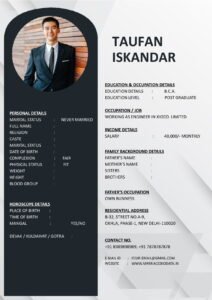
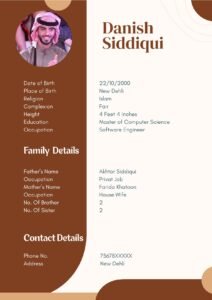
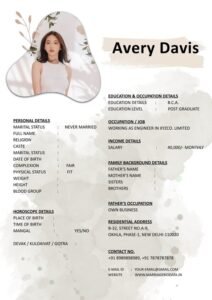
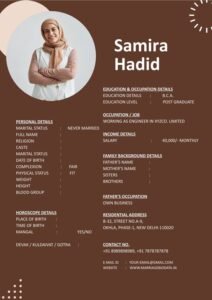
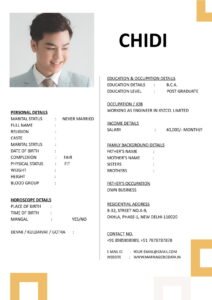
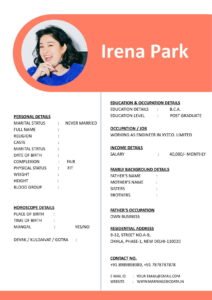
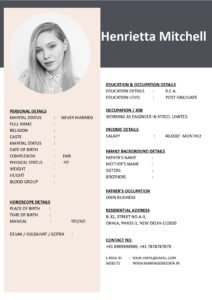
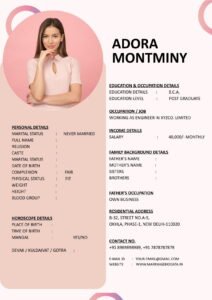
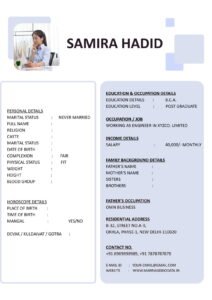
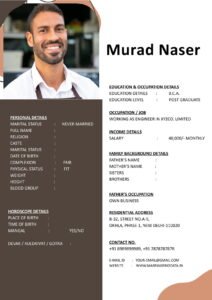
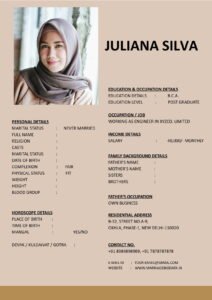
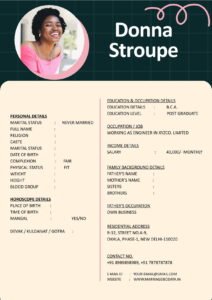
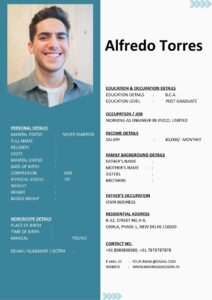
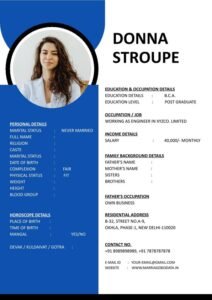
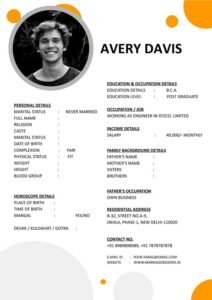
A marriage biodata is a structured document that presents personal details, education, profession, family background, lifestyle, and partner preferences for matrimonial purposes. It works like a marriage CV, offering a clear overview for families and potential matches.
In both arranged marriage settings and online matrimony platforms, the matrimonial biodata remains a key tool for evaluation and communication.
Why Biodata Is Important in Both Systems
No matter how matches are found, families and individuals rely on biodata to assess compatibility and background.
- Provides essential information quickly
- Helps evaluate compatibility
- Builds trust between families
- Creates a professional first impression
A clear marriage biodata format ensures your profile is easy to understand in both traditional and digital settings.

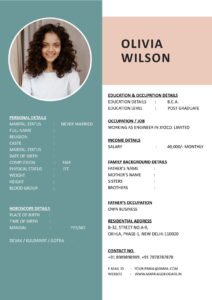
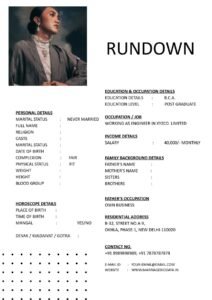
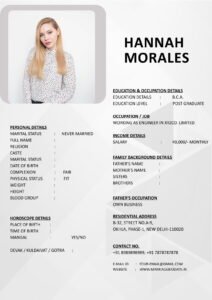
Arranged Marriage: How Biodata Fits In
Role of Biodata in Traditional Arranged Marriages
In traditional setups, families exchange biodata through relatives, community networks, or trusted contacts.
Key Characteristics
- Shared through family connections
- Reviewed by elders first
- Focus on family background and values
What Families Look For
- Family reputation
- Education and profession
- Cultural compatibility
- Lifestyle habits
In arranged marriages, the biodata often reflects family values as much as individual details.
Online Matrimony: How Biodata Fits In
Role of Biodata in Digital Matchmaking
Online matrimony platforms allow individuals to create profiles and upload their biodata for broader visibility.
Key Characteristics
- Profiles searchable by filters
- Direct communication between individuals
- Focus on personal preferences
What Users Look For
- Career and lifestyle compatibility
- Shared interests
- Location preferences
- Personal values
In online matrimony, the biodata acts as a digital introduction that helps profiles stand out.
Arranged Marriage vs Online Matrimony: Key Differences
Comparison Overview
- Arranged Marriage: Family-driven process
- Online Matrimony: Individual-driven search
- Arranged Marriage: Focus on traditions
- Online Matrimony: Focus on personal compatibility
- Both: Biodata remains essential
Despite these differences, the matrimonial biodata plays a central role in both methods.
Step-by-Step Guide: Creating a Biodata Suitable for Both Systems
Step 1: Include Essential Personal Details
- Name
- Age
- Location
Step 2: Highlight Education and Career
Clear professional details help in both traditional and online searches.
Step 3: Add Family Background
This is especially important in arranged marriages.
Step 4: Mention Lifestyle and Values
Helps assess compatibility in both systems.
Step 5: Use a Professional Biodata Template
A structured biodata template ensures clarity and professionalism. You can explore customizable templates at marriagebiodata.in to create a biodata suitable for both arranged and online matrimony.
Real-Life Example
Vikram’s family initially relied on traditional arranged marriage networks. However, they later created an online matrimony profile using the same biodata. Because his biodata included both family values and personal interests, it worked effectively in both settings, leading to meaningful connections.
This example shows that a well-prepared biodata can bridge traditional and modern matchmaking methods.
Common Mistakes to Avoid
- Ignoring family details: Important for arranged marriages.
- Overlooking personal preferences: Important for online matrimony.
- Using cluttered formats: Reduces readability.
- Including too much personal information: Protect privacy.
- Not updating biodata: Keep it current.
Pro Tips for a Versatile Marriage Biodata
- Balance tradition and modern values
- Keep language simple and respectful
- Highlight both family and personal details
- Use a clean layout
- Download professional templates: Explore structured formats from marriagebiodata.in to create a biodata suitable for both methods.
Why Biodata Remains Relevant in Changing Times
Even as matchmaking evolves, the need for clear and structured information remains unchanged. A well-prepared matrimonial biodata helps families and individuals make informed decisions, whether through traditional networks or digital platforms.
It serves as a bridge between generations, combining cultural values with modern expectations.
Conclusion
In the debate of arranged marriage vs online matrimony, the marriage biodata plays a vital role in both systems. It acts as a comprehensive introduction that helps families and individuals evaluate compatibility, values, and background.
By creating a balanced and well-structured marriage biodata format, you can ensure your profile works effectively in both traditional and modern matchmaking environments. A thoughtful biodata reflects your personality, family values, and aspirations, making it a powerful tool in your search for the right life partner.
If you want a professional and versatile layout, consider exploring customizable templates at marriagebiodata.in to create a polished and effective biodata.
Frequently Asked Questions (FAQs)
1. Is biodata necessary for online matrimony?
Yes, it provides structured information that helps profiles stand out and improves compatibility assessment.
2. How is biodata different in arranged marriages?
Arranged marriages often emphasize family background and traditions, while online matrimony focuses more on personal preferences.
3. Can one biodata work for both methods?
Yes, a balanced biodata that includes family values and personal details works well in both systems.
4. Should I include partner preferences?
Yes, clear preferences help improve compatibility and save time.
5. Where can I find professional biodata templates?
You can download modern and customizable templates from marriagebiodata.in to create a clear and professional matrimonial biodata.