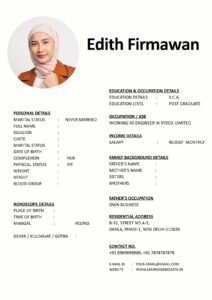
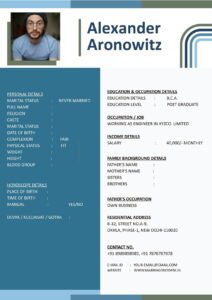
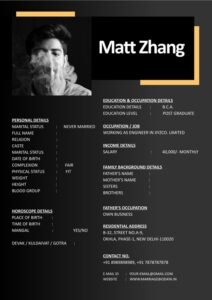
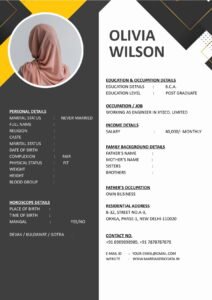
Writing a marriage biodata in English can feel challenging, especially if English is not your first language. You may worry about grammar mistakes, complex vocabulary, or sounding too formal. The good news is that you do not need perfect English to create a clear and impressive biodata. In fact, simple and natural language works best.

This guide will help you understand how to write a simple marriage biodata in English for non-native speakers. With easy tips, examples, and a step-by-step approach, you can create a biodata that is clear, respectful, and easy for families to understand.
What Is a Marriage Biodata?
A marriage biodata is a document that presents personal details, education, profession, family background, lifestyle, and partner preferences for matrimonial purposes. It works like a marriage CV, helping families and potential matches learn about you.
Today, matrimonial biodata is often shared digitally, making clear and simple language more important than perfect grammar.
Why Simple English Works Best
Using simple English ensures your biodata is easy to understand for people from different backgrounds.
- Improves clarity
- Avoids misunderstandings
- Shows sincerity
- Makes reading easier for elders
A clean marriage biodata format combined with simple language creates a strong impression.
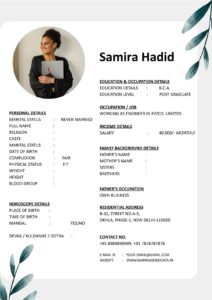
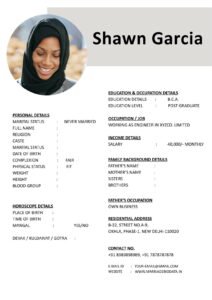
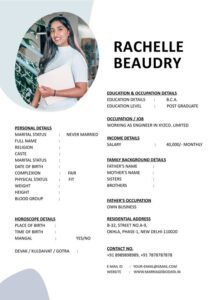
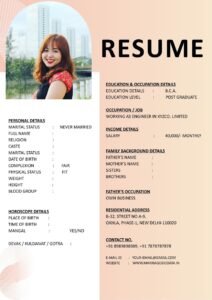
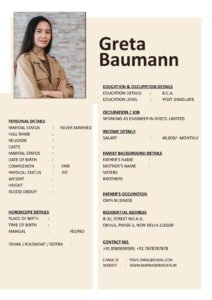
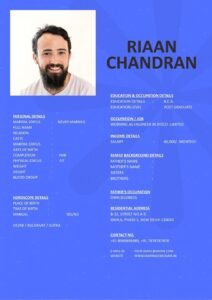
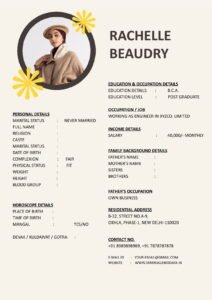
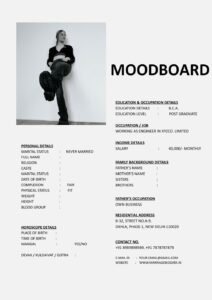
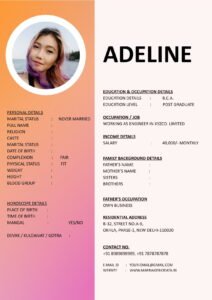
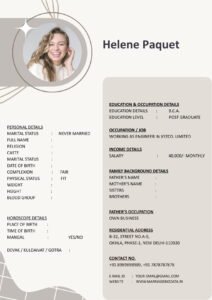
Basic Structure of a Simple Marriage Biodata
You do not need complicated sentences. Just include the essential sections.
- Personal details
- Education
- Profession
- Family background
- Lifestyle and values
- Partner preferences
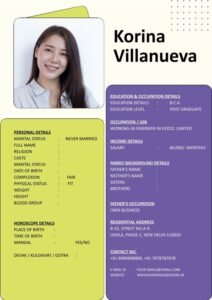
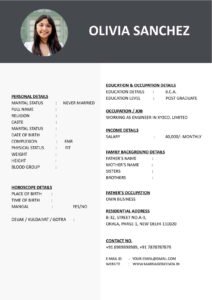
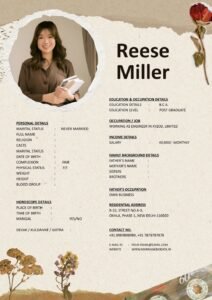
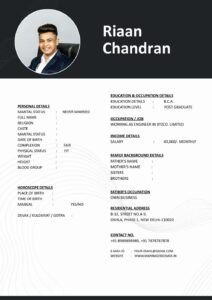
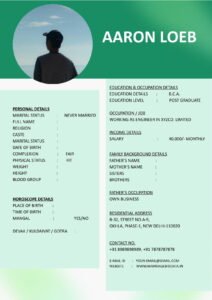
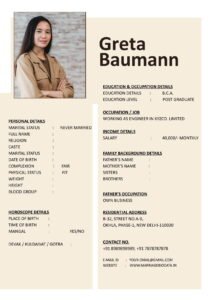
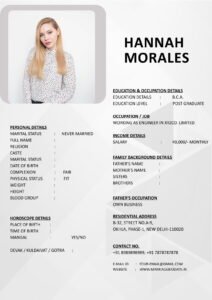
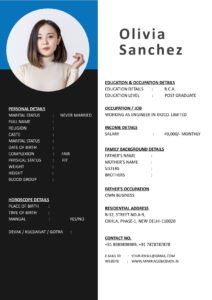
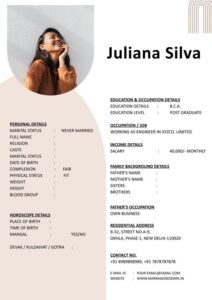
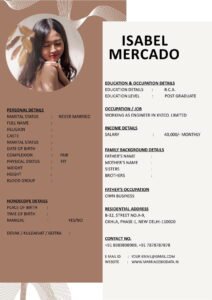
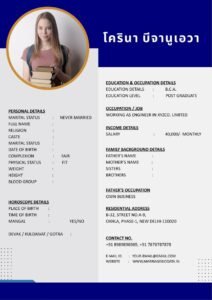
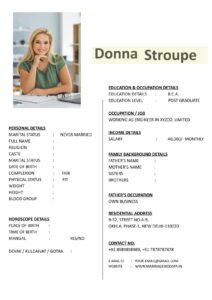
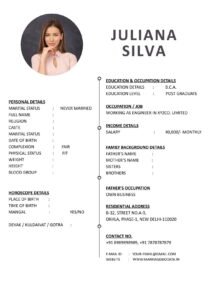
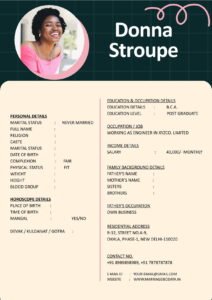
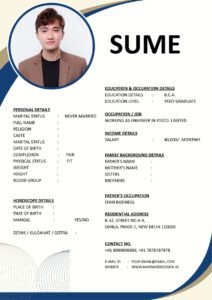
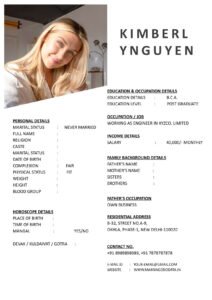
Using a structured biodata template can help you organize these sections clearly.
Step-by-Step Guide: How to Write a Simple Marriage Biodata in English
Step 1: Start with Basic Personal Details
Write your name, age, and location in simple words.
Example:
Name: Rahul Sharma
Age: 29 years
Location: Delhi, India
Step 2: Write About Your Education
Keep it short and clear.
Example:
“I have completed my B.Tech in Mechanical Engineering.”
Step 3: Describe Your Profession
Use simple sentences.
Example:
“I work as a software engineer in a private company in Bangalore.”
Step 4: Add Family Background
Provide general information.
Example:
“My father is a businessman, and my mother is a homemaker. I have one younger sister who is studying.”
Step 5: Mention Lifestyle and Values
Share habits and interests in simple words.
Example:
“I am a non-smoker and vegetarian. I enjoy reading and spending time with family.”
Step 6: Write Partner Preferences
Keep expectations realistic and respectful.
Example:
“I am looking for a kind and understanding partner who values family.”
Step 7: Use a Clear Format
A professional template makes your biodata easy to read. You can explore simple templates at marriagebiodata.in to create a neat and organized profile.
Real-Life Example
Suresh, whose first language was not English, felt nervous about writing his biodata. He initially used complex sentences copied from the internet, which sounded unnatural. After simplifying his language and writing in his own words, his biodata became clearer and more relatable. Families appreciated the honesty and simplicity.
This example shows that simple English is effective and appreciated.
Common Mistakes Non-Native Speakers Should Avoid
- Using complex vocabulary: Simple words are better.
- Copying sentences from the internet: Write in your own words.
- Writing long paragraphs: Keep sentences short.
- Overusing translation tools: Check for natural wording.
- Ignoring formatting: A clean layout improves readability.
Helpful Words and Phrases You Can Use
- “I come from a respectful family.”
- “I value honesty and kindness.”
- “I believe in strong family relationships.”
- “I enjoy simple living and positive thinking.”
These phrases are easy to understand and sound genuine.
Pro Tips for Writing in Simple English
- Use short sentences: Easy to read and understand.
- Avoid difficult words: Keep language natural.
- Proofread your text: Check spelling and grammar.
- Ask a friend to review: Helps improve clarity.
- Use ready-made templates: Download simple formats from marriagebiodata.in to create a clear and professional biodata.
Why Simplicity Builds Trust
A simple and clear matrimonial biodata feels genuine and trustworthy. Families appreciate profiles that are easy to read and understand. Simple language shows honesty and helps avoid confusion.
Remember, clarity matters more than perfect grammar.
Conclusion
Writing a simple marriage biodata in English is not about using complex words — it is about sharing your details clearly and honestly. By using short sentences, simple vocabulary, and a structured marriage biodata format, non-native speakers can create a biodata that is professional and easy to understand.
Focus on clarity, authenticity, and respect. These qualities matter far more than perfect language. With the right approach, your biodata can create a strong and positive impression.
If you want an easy starting point, explore simple and customizable templates at marriagebiodata.in to create a clear and effective matrimonial biodata.
Frequently Asked Questions (FAQs)
1. Do I need perfect English to write a marriage biodata?
No, simple and clear English is enough.
2. Can I write my biodata in short sentences?
Yes, short sentences improve readability and clarity.
3. Should I use translation tools?
You can use them, but always review the text to ensure it sounds natural.
4. What is the best format for beginners?
A simple and structured format with clear headings works best.
5. Where can I find simple biodata templates?
You can download easy and customizable templates from marriagebiodata.in to create a clear and professional matrimonial biodata.