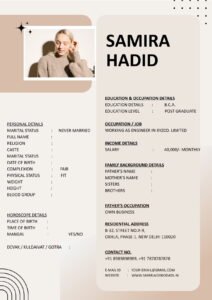
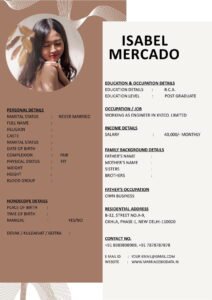
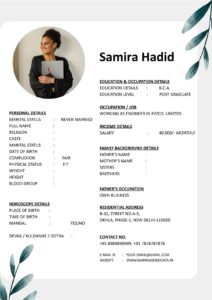
Most families spend less than 10 seconds on the first look at a profile. That’s the honest truth.
In arranged marriage setups, biodata files are often shared in bulk on WhatsApp, email, or matrimonial platforms. Parents scroll quickly. Prospective partners scan briefly. If your details are not structured clearly, your profile may be skipped — even if you are perfectly suitable.
That’s why understanding How to Structure Your Marriage Biodata for Quick Reading in 10 Seconds is so important. The goal is not to reduce information. The goal is to present it smartly, so anyone can understand your profile at a glance.
Let’s break this down step by step in a simple and practical way.
What Is a Marriage Biodata?
A marriage biodata is a formal document created for matrimonial purposes. It includes personal details, education, career information, family background, and partner expectations.
You can think of it as a marriage CV — but designed for life partnership instead of a job. Unlike a professional resume, a matrimonial biodata also highlights values, lifestyle, and family information.
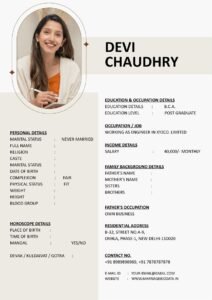
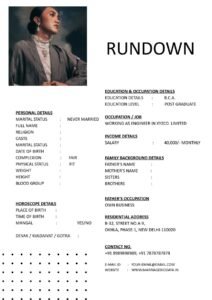
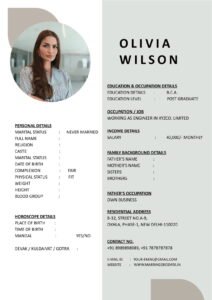
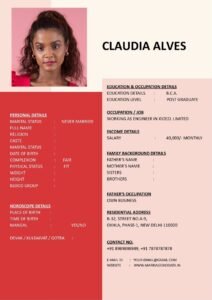
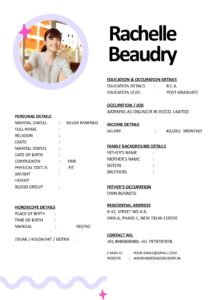
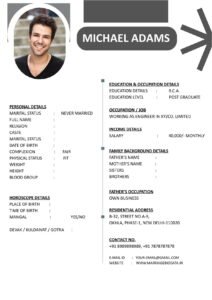
The structure of your biodata for marriage plays a bigger role than most people realize.
Why Quick Readability Is So Important
Today, attention spans are short. Families often review many profiles in one sitting. If your marriage biodata format looks cluttered or confusing, it creates mental effort for the reader.
When information is easy to scan, it feels professional and trustworthy.
In just 10 seconds, the reader should clearly understand:
- Your name and age
- Your education and profession
- Your family background
- Your location
- Your basic expectations
If these details are visible instantly, your chances of a positive response increase.
Step-by-Step Guide: How to Structure Your Marriage Biodata for Quick Reading in 10 Seconds
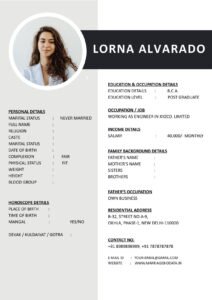
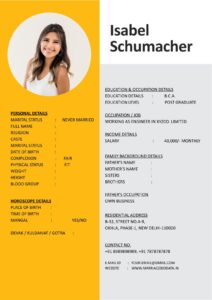
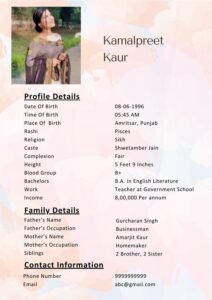
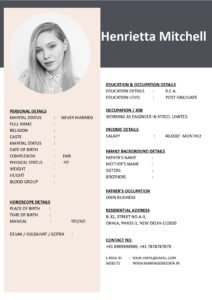
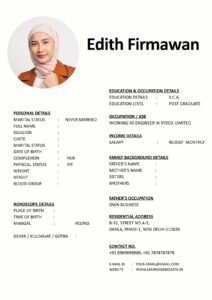
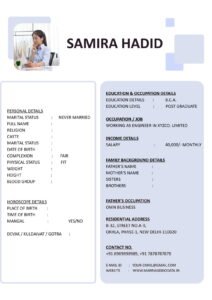
1. Start With a Clean Header Section
The top section should contain the most important identifiers:
- Full Name
- Age / Date of Birth
- Height
- Location
Keep this section neat and aligned. Avoid long paragraphs at the top. This is your quick summary block.
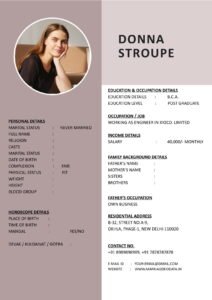
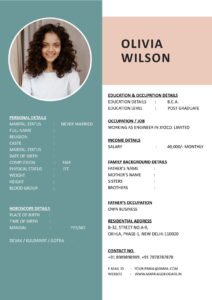
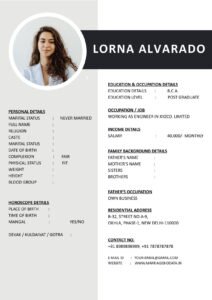
2. Use Clear Headings for Every Section
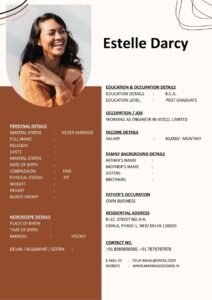
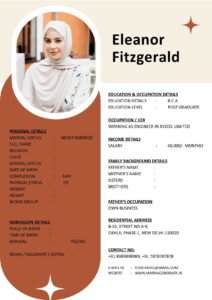
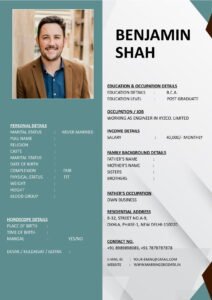
A good marriage biodata format always separates sections clearly. Use headings like:
- Personal Details
- Education & Career
- Family Background
- Hobbies & Interests
- Partner Expectations
When headings are visible, readers can jump directly to what they want to check.
3. Use Bullet Points Instead of Long Paragraphs
This is one of the most effective structuring tips.
Instead of writing:
“I have completed my B.Tech in Mechanical Engineering and currently working in a reputed manufacturing company in Pune with 4 years of experience.”
Write it like this:
- B.Tech in Mechanical Engineering
- 4 years experience
- Currently working in a reputed manufacturing company in Pune
Same information. Easier to read in seconds.
4. Highlight Education and Profession Clearly
Education and job are usually the first things families check.
Make them stand out by placing them near the top section, right after personal details.
In a biodata template, this section should never be hidden in the middle of long text.
5. Keep Family Details Structured
Instead of describing family in paragraph form, write:
- Father: Businessman
- Mother: Homemaker
- 1 Younger Brother (Studying MBA)
- Family Type: Nuclear
Short lines increase clarity.
6. Write a Short 3–4 Line Introduction
Add a brief introduction below personal details. Keep it warm but concise.
Example:
“I come from a well-educated family and believe in mutual respect and understanding. I balance my professional commitments with personal growth and family values.”
Do not write 10–12 lines here. Keep it short and meaningful.
7. Place Partner Expectations at the End
Expectations should be realistic and clear. Keep it simple:
- Well-educated and family-oriented
- Supportive and understanding nature
- Open to working after marriage
Short bullet points feel mature and respectful.
8. Keep the Entire Biodata Within 1–2 Pages
A 5-page marriage CV reduces readability. Quick scanning becomes difficult.
One or two pages are ideal for structured clarity.
Real-Life Example: Before and After Structuring
Priya, 27, had created her matrimonial biodata in paragraph format. Everything was written in blocks of text. Important details were buried inside long sentences.
Families often replied late or did not respond.
She then restructured her biodata for marriage:
- Added clear headings
- Converted paragraphs into bullet points
- Placed job details at the top
- Reduced introduction to 4 lines
- Used a clean biodata template
Within a month, response quality improved significantly.
Her qualifications were always good. Only the structure changed.
Common Mistakes to Avoid
- Writing long paragraphs without breaks
- Using decorative fonts or colorful backgrounds
- Adding unnecessary personal details
- Repeating the same information twice
- Using outdated marriage biodata format designs
- Placing education and profession too low in the document
Remember, clarity creates trust.
Pro Tips for Maximum Impact
1. Use Consistent Alignment
Keep all bullet points aligned properly. Avoid mixing formats.
2. Use Bold for Key Labels
Highlight labels like Name, Education, Profession, Father’s Occupation.
3. Choose a Modern Biodata Template
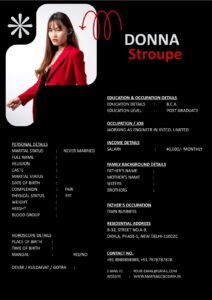
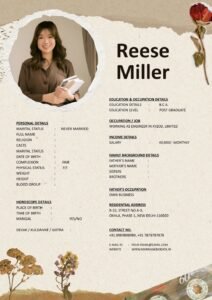
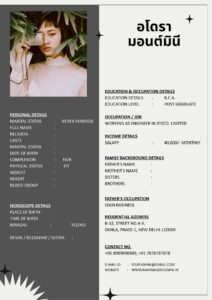
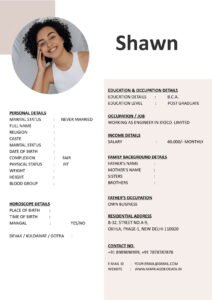
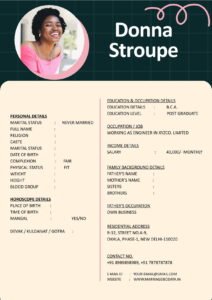
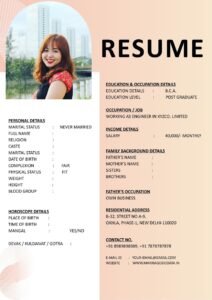
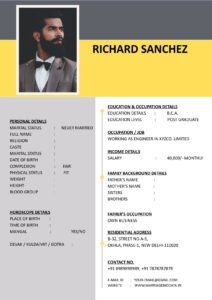
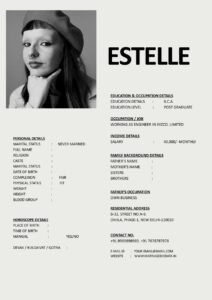
If formatting feels confusing, download a ready-made biodata template from https://marriagebiodata.in/ Professionally designed templates automatically improve structure.
4. Keep Spacing Balanced
White space improves readability. Do not overcrowd content.
5. Use a Professional Photograph
Place your photo neatly in the top corner. Keep background simple and lighting natural.
6. Update Before Sharing
Before sending your matrimonial biodata, check for updates in job, salary, or location.
Why Structure Reflects Personality
A well-structured marriage biodata format shows:
- Attention to detail
- Clarity of thought
- Organized personality
- Maturity
Even before a conversation starts, your presentation communicates these qualities silently.
When someone can understand your profile in 10 seconds without confusion, it creates comfort.
Conclusion
Learning how to structure your marriage biodata for quick reading in 10 seconds is not about removing details. It is about arranging them intelligently.
Use headings. Use bullet points. Keep sentences short. Highlight education and profession clearly. Maintain neat spacing.
In the competitive world of matrimonial biodata profiles, readability gives you an edge.
If you want a head start, explore clean and modern biodata template options at https://marriagebiodata.in/ and choose one that matches your personality.
Small structural changes can create a big difference — sometimes within just 10 seconds.
Frequently Asked Questions (FAQs)
1. What is the ideal length for a biodata for marriage?
One to two pages is ideal. It should contain complete information without becoming lengthy.
2. Should I use bullet points in a marriage CV?
Yes. Bullet points improve quick readability and make scanning easier.
3. Is a biodata template necessary?
While not mandatory, a professionally designed biodata template improves layout, clarity, and presentation.
4. Where should I place my photo in matrimonial biodata?
Place your photo at the top corner of the first page. Keep it recent and professional.
5. How often should I update my marriage biodata?
You should update it whenever there is a change in job, salary, education, or location.