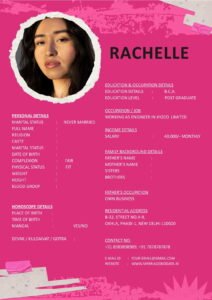
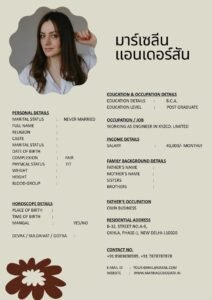
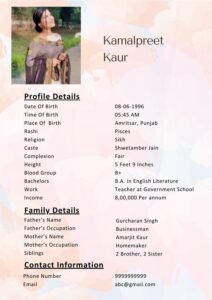
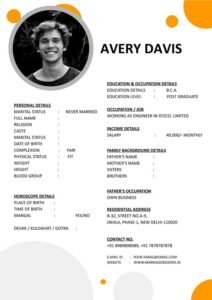
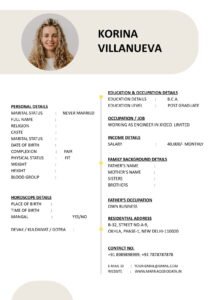
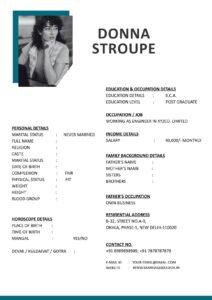
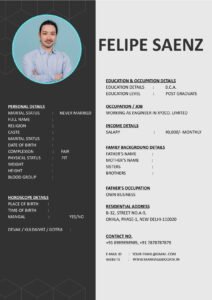
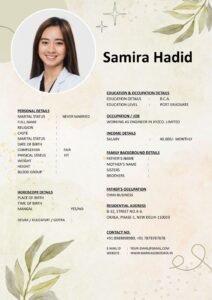
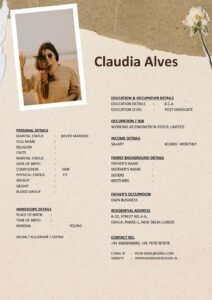
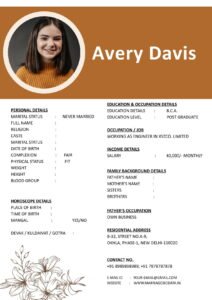
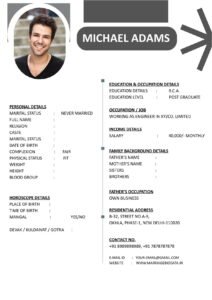
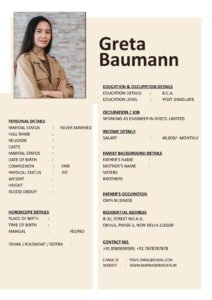
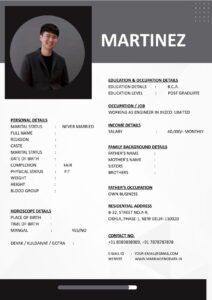
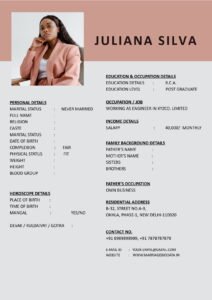
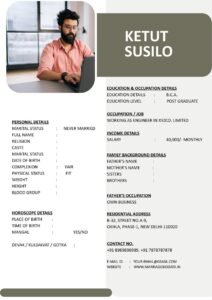
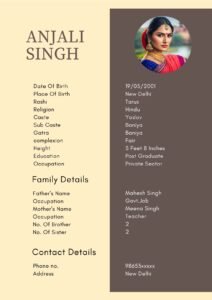
When it comes to arranged marriages, one small decision can quietly make a big difference — choosing the right format for your marriage biodata. Many people focus only on filling in their details, but very few think about whether their marriage biodata format actually suits their community, traditions, and expectations.
The truth is simple: different communities often look for different information. Some prioritize family background. Others focus more on education and career. Some prefer traditional layouts, while others appreciate modern, minimal designs.
If you are confused about how to choose the right marriage biodata format for your community, this detailed guide will help you make the right choice — step by step, without stress.
What Is a Marriage Biodata?
A marriage biodata is a structured document that introduces a person for matrimonial purposes. It includes personal details, education, profession, family background, lifestyle information, and partner expectations.
You can think of it as a marriage CV, but designed for marriage instead of a job. Unlike a professional resume, a matrimonial biodata also reflects values, culture, and traditions.
The format you choose decides how clearly and respectfully this information is presented.
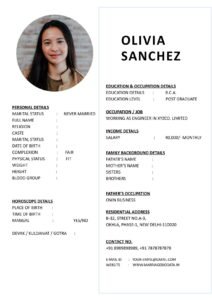
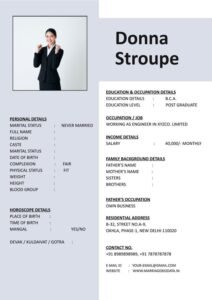
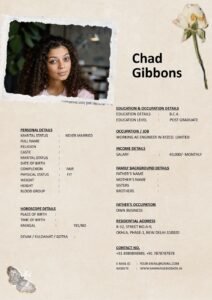
Why Choosing the Right Format Is Important
Your biodata for marriage is often the first impression families receive. Before they speak to you, before they see you in person — they see your document.
If the format matches community expectations, it feels comfortable and familiar. If it looks too modern in a very traditional setup, or too basic in a progressive setup, it may create unnecessary hesitation.
A well-chosen marriage biodata format:
- Respects cultural expectations
- Presents information clearly
- Builds trust instantly
- Shows seriousness about marriage
This is not about changing who you are. It is about presenting yourself in a way that aligns with your community’s comfort level.
Step-by-Step Guide: How to Choose the Right Marriage Biodata Format for Your Community
Step 1: Understand Your Community’s Expectations
Start by observing what others in your family or community use. Ask simple questions:
- Do most biodatas include caste or sub-caste details?
- Is horoscope information usually added?
- Is family background given more importance?
- Are photos mandatory?
This research helps you avoid guesswork.
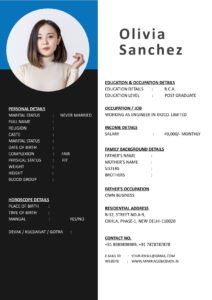
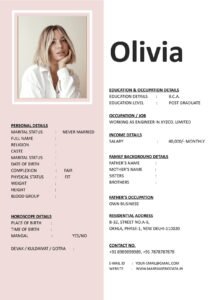
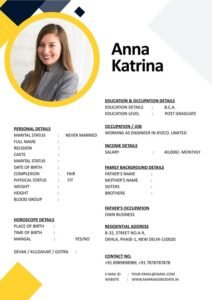
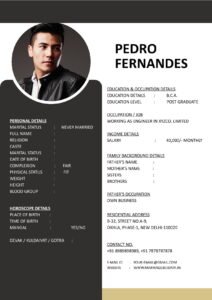
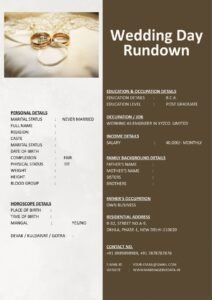
Step 2: Decide Between Traditional and Modern Layout
Some communities prefer classic formats with simple headings and detailed family information.
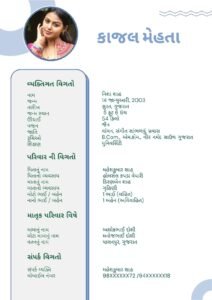
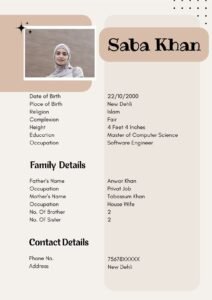
Others prefer clean, modern biodata templates with minimal design and professional structure.
Choose based on your audience:
- Traditional setup: Simple layout, detailed family and cultural information.
- Urban/progressive setup: Clean layout, focus on education, career, and lifestyle.
Step 3: Prioritize the Right Sections
Different communities give importance to different sections.
For example:
- In some communities, horoscope details come first.
- In others, education and job details are highlighted at the top.
- Some prefer detailed family descriptions.
- Some value short and precise introductions.
Adjust your marriage biodata format accordingly.
Step 4: Choose a Clear Structure
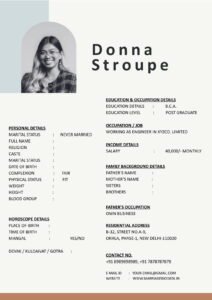
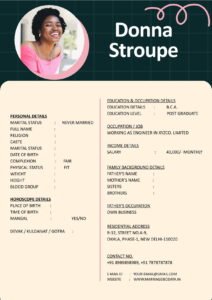
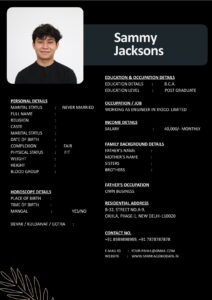
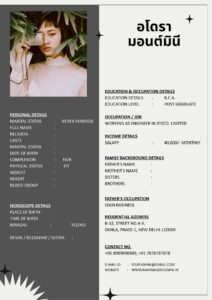
Regardless of community, clarity is always appreciated. Use proper headings such as:
- Personal Details
- Education & Profession
- Family Background
- Lifestyle & Interests
- Partner Expectations
A structured layout makes your biodata for marriage easy to read.
Step 5: Use a Suitable Biodata Template
If you are unsure about design and alignment, it is better to start with a ready-made biodata template. You can explore professionally designed formats at https://marriagebiodata.in/ and select one that matches your cultural and personal style.
Templates save time and reduce formatting mistakes.
Step 6: Match Tone With Cultural Values
Language tone also matters. In traditional communities, respectful and simple wording works best.
For example:
“We belong to a respected and well-settled family with strong cultural values.”
In more modern settings, a slightly personal introduction may be appreciated:
“I believe in balancing career growth with family life and mutual respect.”
Small changes in tone create better alignment.
Real-Life Example
Sneha belonged to a traditional community where horoscope matching was important. She initially created a very modern, minimal marriage CV focusing only on career achievements.
Her profile did not receive expected responses.
After discussing with her family, she updated her matrimonial biodata by:
- Adding horoscope details
- Expanding family background section
- Using a simpler marriage biodata format
- Keeping language respectful and traditional
The response improved significantly.
The information about her career remained the same. Only the format changed to match expectations.
Common Mistakes to Avoid
- Using overly decorative or flashy designs
- Ignoring community-specific details
- Copying someone else’s biodata without customization
- Writing long paragraphs without structure
- Mixing modern and traditional styles randomly
- Forgetting to include important cultural information
Remember, balance is the key.
Pro Tips for Choosing the Perfect Format
1. Keep It Within 1–2 Pages
No matter the community, long documents reduce interest.
2. Maintain Clean Alignment
Neat spacing and bullet points improve readability.
3. Use a Professional Photo
Choose a recent photo with simple background and natural expression.
4. Customize for Different Families
If required, you can slightly modify your biodata for marriage based on the family you are sharing it with.
5. Update Information Regularly
Promotion, relocation, or further studies? Update immediately.
6. Start With a Reliable Template
If you want a safe starting point, download community-friendly biodata templates from https://marriagebiodata.in/ and personalize them accordingly.
Why Format Reflects Respect
Choosing the right marriage biodata format shows that you respect traditions while also valuing clarity and professionalism.
It reflects:
- Maturity
- Understanding of cultural expectations
- Thoughtful communication
- Serious intent
When families see a well-structured matrimonial biodata that aligns with their comfort level, it creates positive energy even before the first conversation.
Conclusion
Knowing how to choose the right marriage biodata format for your community is not about changing your identity. It is about presenting yourself thoughtfully.
Understand your community’s expectations. Choose a suitable layout. Structure your information clearly. Keep language respectful and simple.
In arranged marriages, small details matter. A well-aligned biodata for marriage increases comfort, builds trust, and improves response quality.
Take time to select the right biodata template, personalize it carefully, and ensure your profile represents both you and your cultural background with dignity.
Frequently Asked Questions (FAQs)
1. Should marriage biodata format differ based on community?
Yes. Some communities prioritize horoscope and family details, while others focus more on education and career.
2. Can I use a modern biodata template in a traditional community?
You can, but it is better to keep the design simple and include all traditional details required by your community.
3. How long should a matrimonial biodata be?
Ideally, 1–2 pages. It should contain essential information without being lengthy.
4. Is it necessary to include caste details?
This depends on your personal preference and community expectations.
5. Where can I find ready-made biodata templates?
You can explore structured and easy-to-edit biodata templates at https://marriagebiodata.in/.