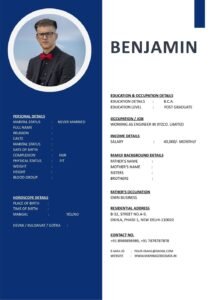
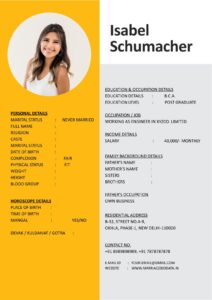
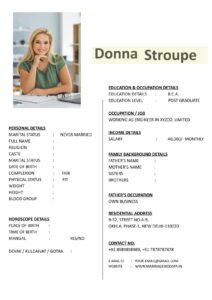
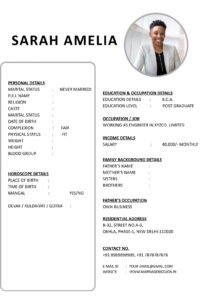
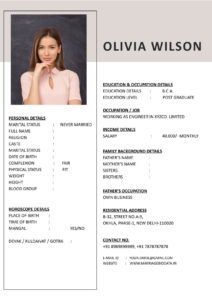
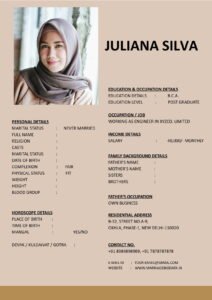
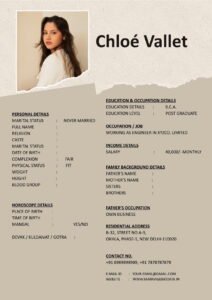
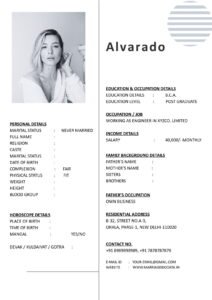
Sometimes, it is not the lack of good qualities that reduces marriage proposals. It is small mistakes in presentation.
You may be well-educated, stable in your career, and clear about your values. Yet, if your marriage biodata sends the wrong signals, serious matches may quietly step away.
That is why understanding the Biggest Red Flags People Notice in Marriage Biodata (And How to Avoid Them) is so important. A few corrections can completely change how your profile is perceived.
What Is a Marriage Biodata?
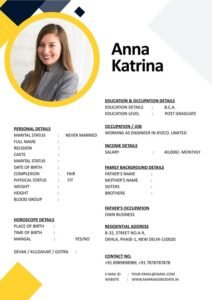
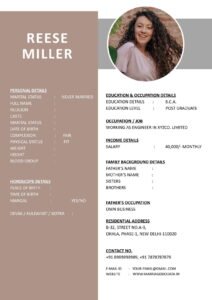
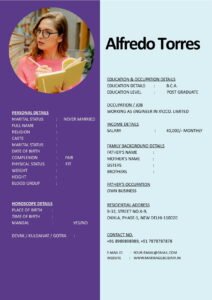
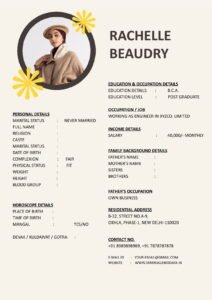
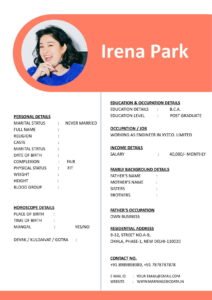
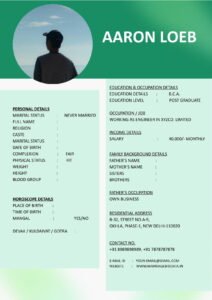
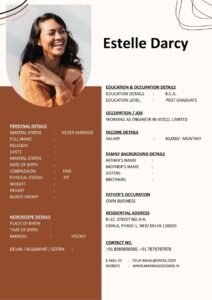
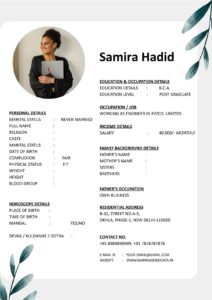
A marriage biodata is a structured document shared for matrimonial purposes. It includes personal information, education, profession, family background, lifestyle, and partner expectations.
Think of it as a marriage CV. Just like a job resume creates first impressions, your matrimonial biodata creates the first impression in the marriage process.
And first impressions matter more than we think.
Why Red Flags in Biodata Matter
When families or individuals review a biodata for marriage, they often take less than a minute to decide whether to proceed.
Small red flags can create doubt, even if the person is genuinely good.
Your marriage biodata format should communicate:
- Clarity
- Honesty
- Maturity
- Stability
When any of these are missing, concerns arise.
Biggest Red Flags People Notice in Marriage Biodata
1. Overly Demanding Partner Expectations
A long list of strict demands can feel uncomfortable.
For example:
- Specific salary range
- Exact height requirement
- Detailed appearance conditions
- Rigid family background conditions
This creates the impression of inflexibility.
How to avoid it: Keep expectations realistic and respectful.
2. Exaggerated Achievements
Sometimes people try too hard to impress by overstating income, job title, or achievements.
This damages trust.
How to avoid it: Be honest. Transparency attracts serious matches.
3. Negative Tone
Statements like:
“No time-wasters.”
“Only serious families contact.”
Though understandable, this tone can sound harsh.
How to avoid it: Use polite and positive language.
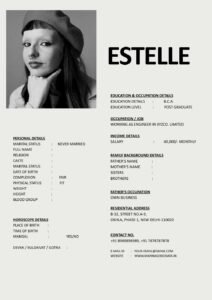
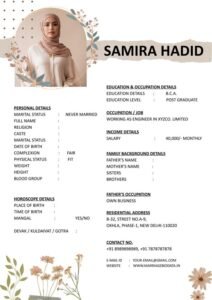
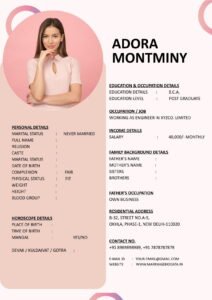
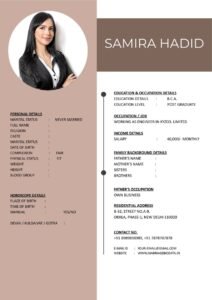
4. Poor Structure and Formatting
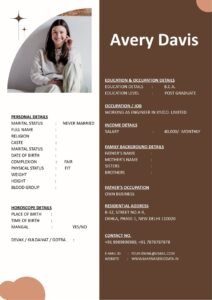
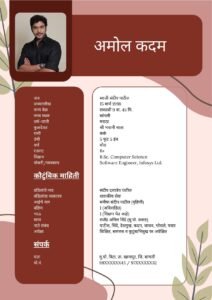
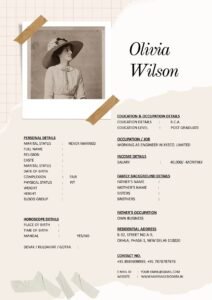
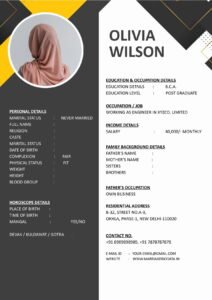
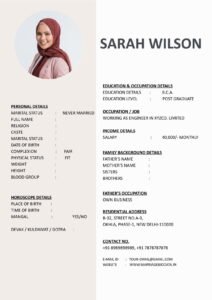
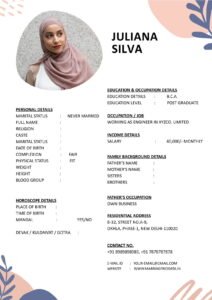
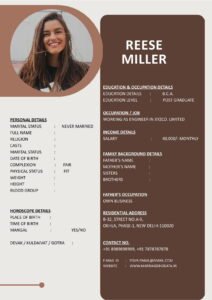
A cluttered or messy marriage biodata format makes reading difficult.
It may suggest lack of effort.
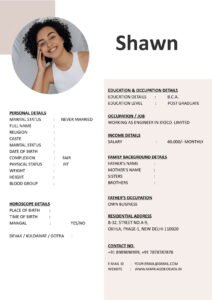
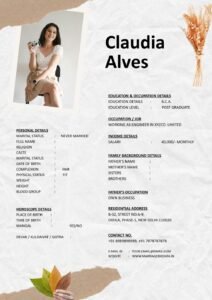
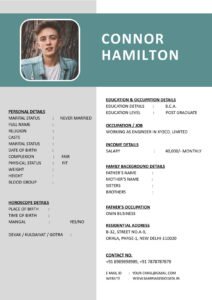
How to avoid it: Use a clean biodata template with proper headings and spacing.
5. Too Much Personal Detail
Long emotional stories, excessive social media links, or deeply personal experiences can feel overwhelming.
How to avoid it: Keep it concise and professional.
6. Missing Important Information
Leaving out education, career details, or family background creates doubt.
How to avoid it: Ensure all essential sections are included.
7. Unrealistic Self-Description
Writing only generic lines like:
“I am simple, caring, honest, and perfect.”
Sounds copied and vague.
How to avoid it: Be specific and authentic.
Step-by-Step Guide to Fix Red Flags in Your Biodata
Step 1: Review With Fresh Eyes
Read your biodata as if you are a stranger. Does anything feel extreme or unclear?
Step 2: Simplify Language
Short, clear sentences feel confident and mature.
Step 3: Balance Expectations
Write expectations in a positive way.
Step 4: Use Professional Formatting
A structured marriage biodata format improves readability instantly.
Step 5: Ask for Feedback
A trusted friend or family member may notice small issues you missed.
If formatting feels confusing, you can explore ready-made biodata templates at https://marriagebiodata.in/ to ensure a clean presentation.
Real-Life Example
Amit had a strong career and stable background. However, his matrimonial biodata listed very specific partner requirements and used strict language.
Although qualified matches viewed his profile, many did not respond.
After revising:
- He softened his tone
- Reduced the list of demands
- Used a clean biodata template
- Rewrote his introduction positively
The difference was immediate. Conversations became smoother and more respectful.
Common Mistakes to Avoid
- Copy-paste introductions
- Using flashy fonts and designs
- Writing emotional or defensive statements
- Exaggerating income or assets
- Listing too many strict conditions
Small changes can remove big red flags.
Pro Tips to Keep Your Biodata Clean and Impressive
1. Keep It 1–2 Pages
Too long feels overwhelming.
2. Maintain Neutral Tone
Polite language creates comfort.
3. Highlight Stability
Career and family values matter.
4. Use Clear Headings
A structured marriage CV looks professional.
5. Avoid Emotional Pressure
Let compatibility develop naturally.
6. Choose a Professional Biodata Template
A well-designed biodata template keeps everything organized. You can download clean formats from https://marriagebiodata.in/ to avoid formatting mistakes.
Why First Impressions Matter So Much
Most families quickly scan a biodata for marriage before deciding to move forward.
They look for:
- Clarity
- Respectful tone
- Balanced expectations
- Honesty
When these are present, serious matches feel comfortable initiating conversations.
Conclusion
Understanding the biggest red flags people notice in marriage biodata (and how to avoid them) can protect you from unnecessary rejection.
Keep your marriage biodata format simple, respectful, and structured. Avoid exaggeration. Maintain balanced expectations. Use positive language.
Your matrimonial biodata should reflect who you truly are — mature, stable, and ready for commitment.
Small improvements in presentation can open doors to meaningful connections.
Frequently Asked Questions (FAQs)
1. What is the biggest red flag in marriage biodata?
Overly demanding partner expectations and harsh tone are major red flags.
2. Should I list specific income or property details?
It is better to keep financial details simple and not overemphasized.
3. How long should my biodata be?
Ideally 1–2 pages with clear structure and headings.
4. Can formatting affect responses?
Yes, a clean marriage biodata format improves readability and first impressions.
5. Where can I find structured biodata templates?
You can download clean and professional biodata templates from https://marriagebiodata.in/.