You have written your marriage biodata in Hindi with full honesty and emotion. Every line feels natural. But now you need to share it with someone who prefers English — maybe a family from another city, someone working abroad, or a profile on a matrimonial portal.
And suddenly, you wonder: “If I translate it, will it still sound like me?”
This guide on How to Translate Your Marriage Biodata from Hindi to English Without Losing Meaning will help you convert your profile carefully, confidently, and clearly — without losing your personality or values.
What Is a Marriage Biodata?
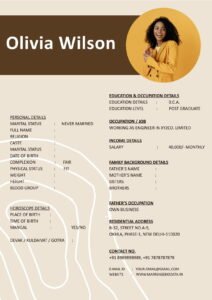
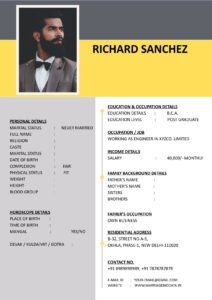
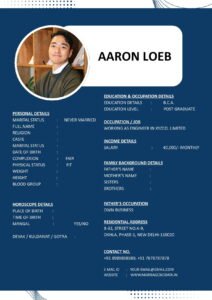
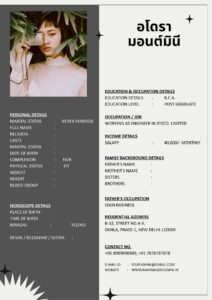
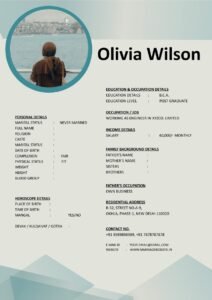
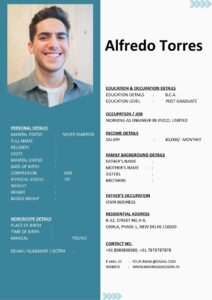
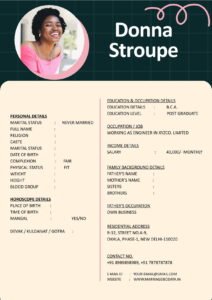
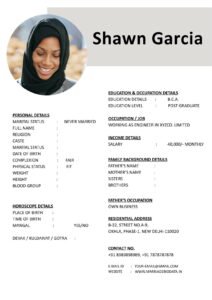
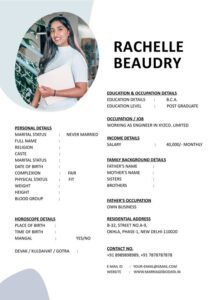
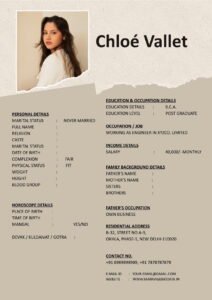
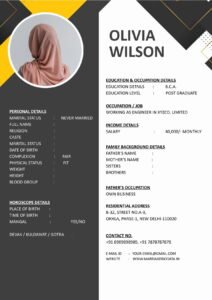
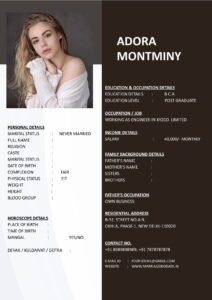
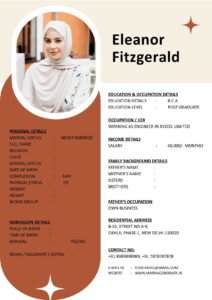
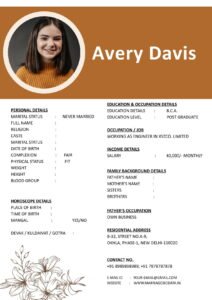
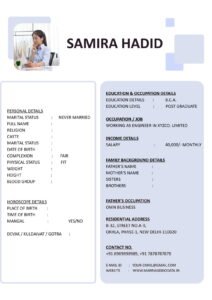
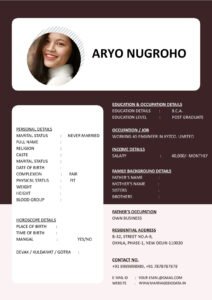
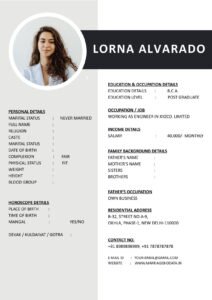
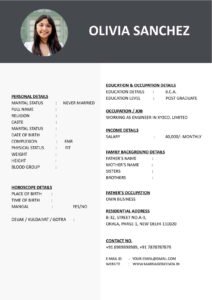
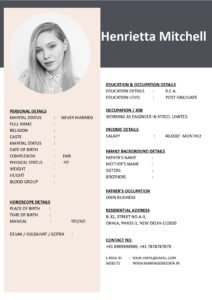
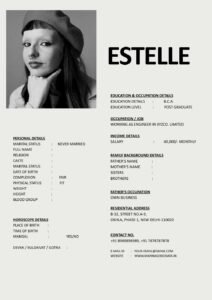
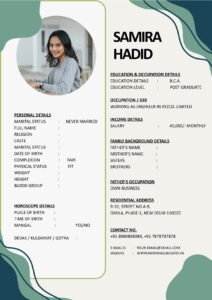
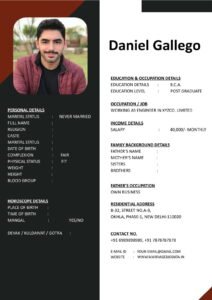
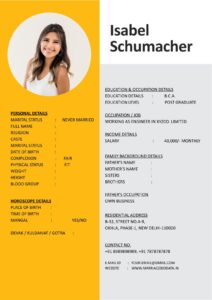
A marriage biodata is a structured document created for matrimonial purposes. It includes personal details, education, profession, family background, lifestyle, and partner expectations.
You can think of it as a marriage CV — but instead of applying for a job, you are introducing yourself for a life partnership.
A good matrimonial biodata should be clear, respectful, and easy to understand in any language.
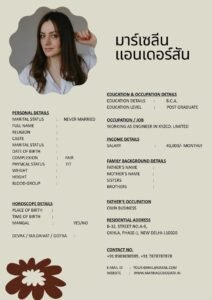
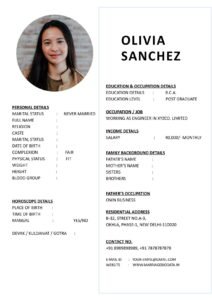
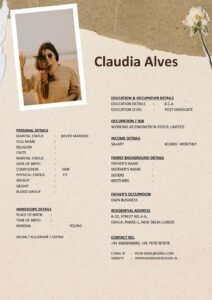
Why Proper Translation Is Important
Hindi allows emotional and expressive writing. English is usually more structured and direct. If you translate word by word, the meaning can change or sound awkward.
Poor translation can make your biodata for marriage:
- Sound robotic
- Lose warmth
- Feel too formal
- Change the original intention
Good translation keeps the meaning, tone, and clarity intact.
Step-by-Step Guide: How to Translate Your Marriage Biodata from Hindi to English Without Losing Meaning
Step 1: Understand the Core Message First
Before translating, read your Hindi biodata slowly.
Ask yourself:
- What am I trying to express here?
- Is this emotional or factual?
- What tone do I want to maintain?
Translation is about ideas, not just words.
Step 2: Avoid Word-by-Word Translation
Example:
Hindi: “Main parivaarik mulyon ko bahut mahatva deta hoon.”
Literal translation:
“I give much importance to family values.”
Better English version:
“I strongly value family relationships and traditions.”
The second version sounds natural and professional.
Step 3: Keep the Language Simple
Many people think they need very advanced English. That is not true.
Simple English works best in a marriage biodata format.
For example:
- Write “honest and caring” instead of “possessing virtuous moral character”
- Write “working as a manager” instead of “engaged in managerial occupation”
Step 4: Maintain the Structure
Do not change the structure while translating.
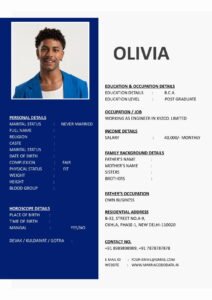
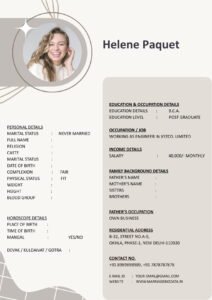
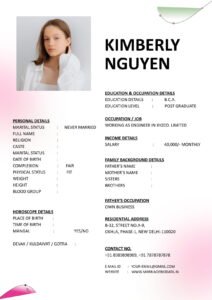
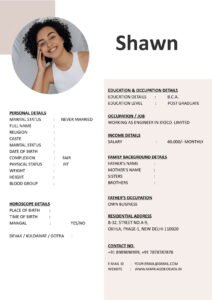
Keep clear headings like:
- Personal Details
- Education
- Profession
- Family Background
- About Me
- Partner Expectations
If formatting feels difficult, you can use a clean biodata template from https://marriagebiodata.in/ and rewrite your content in English under each section.
Step 5: Translate Cultural Words Carefully
Some Hindi words do not have exact English equivalents.
For example:
- “Sanskaar” → “Strong moral values”
- “Sanyukt Parivaar” → “Joint family”
- “Ghar ki zimmedaari” → “Family responsibilities”
Do not translate these literally. Explain the meaning in simple English.
Step 6: Adjust Emotional Tone
Hindi often sounds expressive. English biodata should be warm but balanced.
Example:
Hindi: “Main bahut hi seedha-saadha aur shareef insaan hoon.”
Better English:
“I am a simple and responsible person with strong ethical values.”
This keeps the tone respectful without sounding exaggerated.
Step 7: Proofread and Edit
After translating, read the entire matrimonial biodata aloud.
Check for:
- Grammar errors
- Very long sentences
- Repeated words
- Unnatural phrases
Editing is where your biodata becomes polished.
Real-Life Example
Rohit had written a beautiful biodata in Hindi. When he translated it directly into English using online tools, it sounded stiff and confusing.
Instead of translating word by word, he rewrote it in simple English while keeping the same meaning.
His new version was shorter, clearer, and more professional. Families found it easier to understand his personality.
The meaning remained the same — only the language changed.
Common Mistakes to Avoid
- Using automatic translation without editing
- Trying to use very complex English words
- Changing facts during translation
- Making sentences too long
- Ignoring formatting and layout
Your marriage CV should look clean and structured, not confusing.
Pro Tips for Better Translation
1. Write Short Sentences
Short sentences are easier to translate and understand.
2. Keep It Honest
Do not modify information while converting languages.
3. Use Standard Job Titles
Write “Software Engineer” instead of loosely translated descriptions.
4. Focus on Clarity
Clear language builds trust.
5. Use a Professional Biodata Template
A structured marriage biodata format makes translation easier. You can download clean and editable formats from https://marriagebiodata.in/ and rewrite your details smoothly in English.
Why Meaning Matters More Than Perfect English
Families are not judging your grammar like a school exam.
They want to understand:
- Your values
- Your personality
- Your goals
- Your expectations
Even simple English is perfectly acceptable if it clearly reflects who you are.
Conclusion
Translating your marriage biodata from Hindi to English does not mean changing your personality. It simply means expressing the same meaning in a different language.
Focus on ideas, not literal words. Keep the tone warm but professional. Maintain a clean marriage biodata format. Use simple English.
When the meaning stays intact, your authenticity shines through — and that is what truly matters in a matrimonial biodata.
Frequently Asked Questions (FAQs)
1. Can I use Google Translate for my marriage biodata?
You can use it as a starting point, but always rewrite and edit to make it sound natural.
2. Should I change the structure while translating?
No, keep the same structured marriage biodata format for clarity.
3. Is simple English acceptable?
Yes, simple and clear English is always better than complicated vocabulary.
4. How long should the translated biodata be?
Ideally 1–2 pages, clear and concise.
5. Where can I find a ready-made biodata template in English?
You can download structured and customizable biodata templates from https://marriagebiodata.in/.