When it comes to arranging a marriage in India, parents often take the lead — especially when it comes to preparing and editing their child’s marriage biodata. It usually starts with good intentions: “Let’s make it perfect.” But somewhere between adding achievements, removing “unnecessary” details, and polishing the language, small mistakes creep in.
And those small mistakes can quietly reduce the chances of getting the right proposal.
In this article, we will talk about the most common mistakes Indian parents make while editing their child’s marriage biodata, why they matter, and how to avoid them. If you are preparing a biodata for marriage for your son or daughter, this guide will help you create a clear, honest, and impressive profile.
What Is a Marriage Biodata?
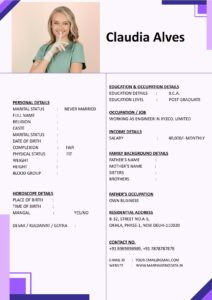
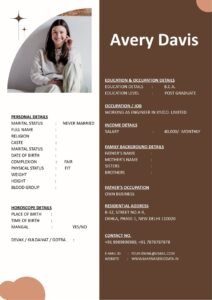
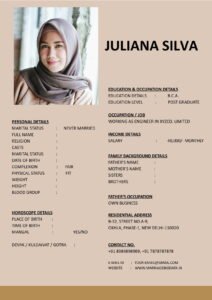
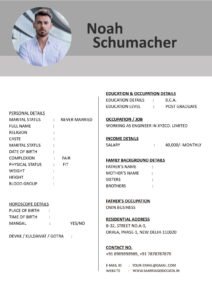
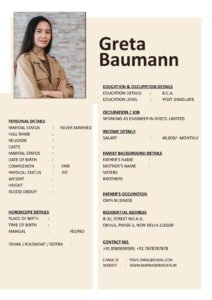
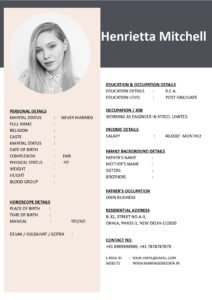
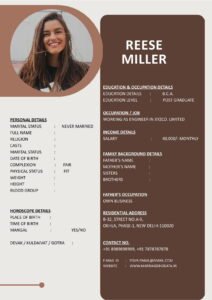
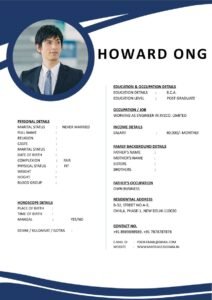
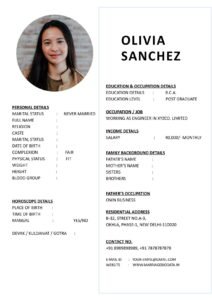
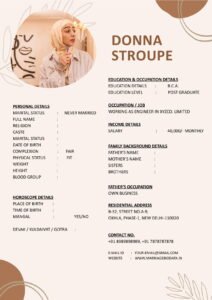
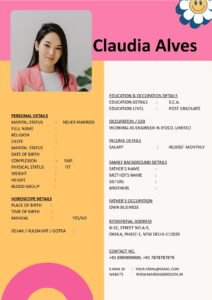
A marriage biodata is a structured document that presents personal, educational, professional, family, and lifestyle details of a bride or groom. It is also called a matrimonial biodata or sometimes even a marriage CV.
Think of it as a first introduction. Before families meet or talk, they usually go through this document. So the first impression is created not by a conversation, but by the marriage biodata format you choose and the information you include.
A well-designed biodata template keeps everything organized and easy to read. It highlights strengths without exaggeration and shows personality without oversharing.
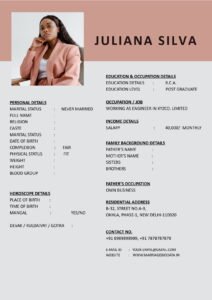
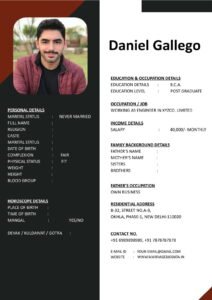
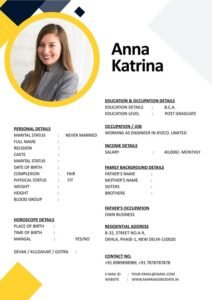
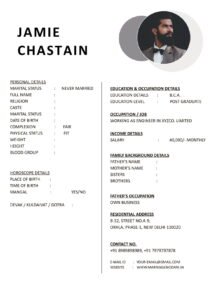
Why Editing the Marriage Biodata Carefully Is So Important
Parents often believe that the more impressive the biodata looks, the better the chances. While presentation is important, clarity and honesty matter even more.
Here’s why proper editing is crucial:
- It builds trust: Families can sense when details are overstated.
- It saves time: Clear information avoids unnecessary back-and-forth questions.
- It reflects personality: The tone of the biodata says a lot about the person.
- It increases compatibility: Honest details attract the right matches.
A biodata for marriage is not a marketing brochure. It is a genuine introduction for a lifelong relationship.
Common Mistakes Indian Parents Make While Editing Their Child’s Marriage Biodata
1. Over-Editing and Over-Polishing
One of the biggest mistakes Indian parents make while editing their child’s marriage biodata is trying to make it “too perfect.”
They remove hobbies that seem simple, tone down personality traits, or rewrite everything in very formal language.
For example:
- Original: “I enjoy cooking and trying new recipes.”
- Edited: “She possesses exceptional culinary expertise.”
The second version sounds robotic and unnatural. Marriage is personal. The biodata should sound human, not corporate.
2. Exaggerating Achievements
Some parents feel pressure to highlight achievements in a dramatic way. Small internships become “major corporate roles.” Average grades become “academic excellence.”
This can backfire. If details don’t match during conversation, trust breaks immediately.
Remember: A simple and honest marriage CV is always stronger than an exaggerated one.
3. Hiding Important Information
Another common mistake is hiding details that might feel sensitive, such as:
- Previous engagement
- Career breaks
- Health conditions
- Relocation plans
These things often come out later. When they do, families feel misled. It is better to present such details respectfully and clearly in the matrimonial biodata.
4. Writing From a Parent’s Perspective Instead of the Child’s
Many biodatas start with: “We are looking for a suitable match for our daughter…”
While that is traditional, today many families prefer a more balanced tone. The biodata should reflect the person’s voice, not just the parents’ expectations.
Instead of focusing only on what kind of partner is expected, include what the bride or groom values in life.
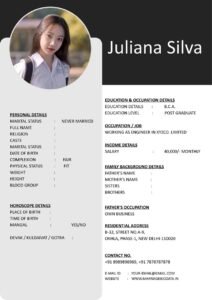
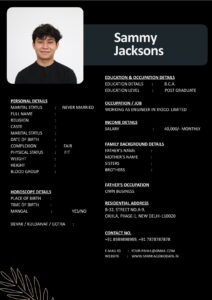
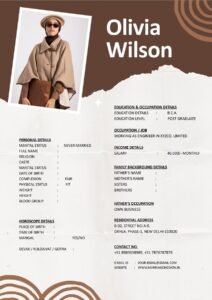
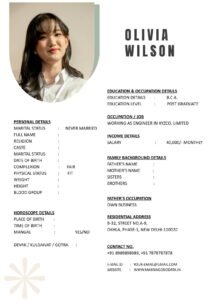
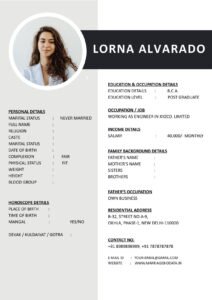
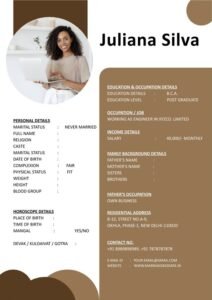
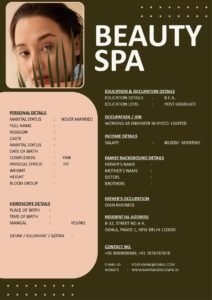
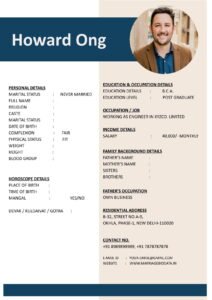
5. Using a Poor or Cluttered Marriage Biodata Format
Presentation matters.
Common formatting mistakes include:
- Very long paragraphs
- No proper headings
- Different font sizes everywhere
- Too many colors
- Low-quality photo
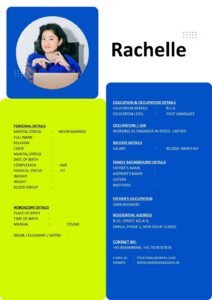
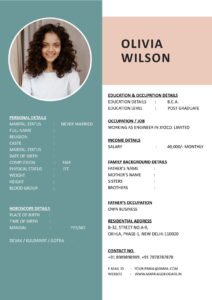
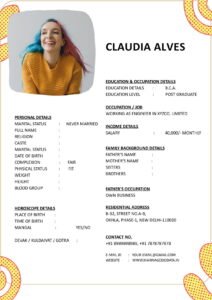
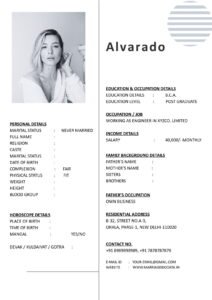
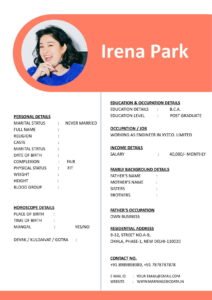
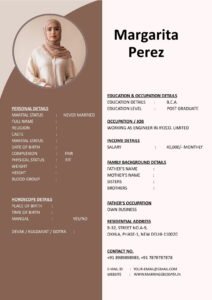
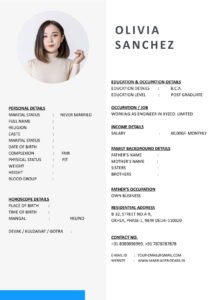
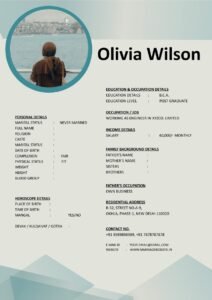
A clean and structured marriage biodata format makes it easier to read and understand. Using a professional biodata template from trusted platforms like marriagebiodata.in can save time and avoid design mistakes.
6. Adding Too Much Family Praise
Parents often add long descriptions about family status, property, or achievements. While family background is important, it should not dominate the entire biodata.
Keep it simple:
- Father’s occupation
- Mother’s occupation
- Siblings and their professions
There is no need to turn it into a full family biography.
7. Ignoring the Child’s Opinion
This is one of the most serious mistakes.
Sometimes parents prepare and finalize the biodata without fully involving their son or daughter. As a result, the final document does not reflect their real preferences or personality.
A marriage biodata should represent the individual first, and the family second.
Step-by-Step Guide to Editing a Marriage Biodata the Right Way
Here’s a practical way parents can approach editing:
- Start with a clear biodata template. Choose a simple, elegant format.
- Write basic details first. Name, age, height, education, profession.
- Add family information briefly.
- Include hobbies and personality traits.
- Let your child review everything.
- Edit for clarity, not drama.
- Check spelling and formatting.
If you are unsure about layout, you can download ready-to-use marriage biodata templates from https://marriagebiodata.in/ and customize them according to your needs.
Real-Life Example
Let’s take an example.
Rohit’s parents prepared his biodata. They described him as “a highly ambitious, exceptionally successful corporate leader with outstanding leadership qualities.”
In reality, Rohit was a mid-level manager who loved photography and wanted a partner who valued work-life balance.
During initial conversations, the bride’s family expected someone extremely career-focused and financially aggressive. There was a mismatch in expectations — not because Rohit wasn’t good, but because the biodata created a different image.
After revising the biodata to reflect his real personality, they started receiving more compatible proposals.
The lesson? Accuracy attracts the right people.
Pro Tips for Parents While Editing a Biodata for Marriage
- Keep it within 1–2 pages. Too long becomes boring.
- Use simple English. Avoid complicated words.
- Add a recent, clear photograph.
- Be transparent about expectations.
- Focus on values, not only status.
- Proofread twice. Small spelling errors look careless.
Also, remember that modern matrimonial biodata documents are evolving. Many families now appreciate authenticity more than perfection.
Conclusion
Preparing a marriage biodata is not just about filling details in a document. It is about presenting a real person with honesty and dignity.
The most common mistakes Indian parents make while editing their child’s marriage biodata usually come from love and protection. However, over-editing, exaggeration, and hiding facts can reduce trust and compatibility.
A clean marriage biodata format, honest information, and involvement of your child can make a huge difference. Keep it simple. Keep it real. The right family will appreciate authenticity.
If you are planning to create or revise a biodata for marriage, start with a professional biodata template and focus on clarity instead of perfection.
Frequently Asked Questions (FAQ)
1. Should parents write the marriage biodata or the child?
Ideally, both should work together. Parents can help structure it, but the final tone should reflect the child’s personality.
2. How long should a marriage biodata be?
A standard marriage biodata or marriage CV should be 1–2 pages. It should be concise yet informative.
3. Is it okay to mention expectations in a matrimonial biodata?
Yes, but keep them realistic and respectful. Avoid sounding demanding or rigid.
4. What is the best marriage biodata format?
The best format is clean, structured, and easy to read. Use clear headings, bullet points, and consistent fonts. Ready-made biodata templates from trusted platforms can help maintain a professional look.
5. Should we include hobbies in a biodata for marriage?
Yes. Hobbies add personality and make the biodata more relatable. They help families understand lifestyle and interests better.