Preparing a marriage biodata is already an emotional task. You want to present yourself honestly, but at the same time, you don’t want to overshare or create unnecessary confusion. One of the most sensitive questions people face is this: should I mention my past relationship in my marriage biodata?
If you are wondering how to talk about past relationships (if needed) in marriage biodata, you are not alone. Many individuals and parents struggle with this topic. Some feel it should never be mentioned. Others believe transparency is important from the beginning.
The truth lies somewhere in between. In this guide, we will discuss when to mention it, how to mention it, and how to handle it with maturity and dignity.
What Is a Marriage Biodata?
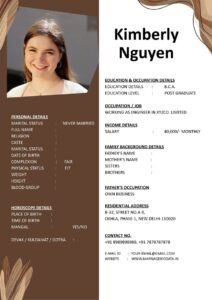
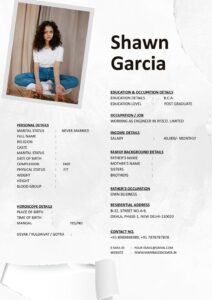
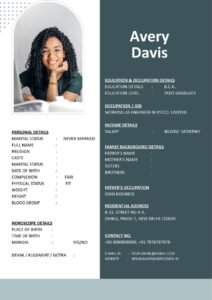
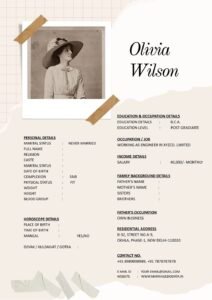
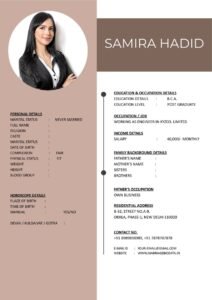
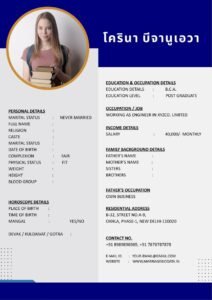
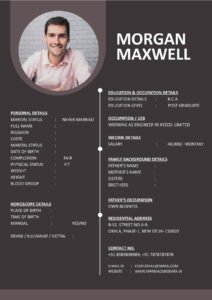
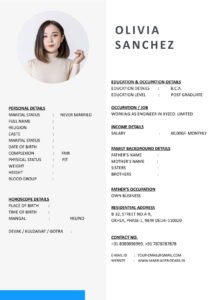
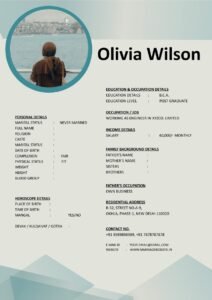
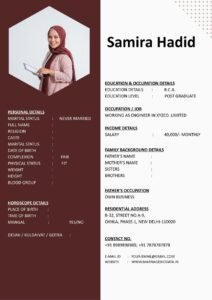
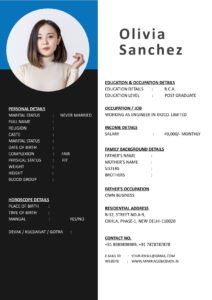
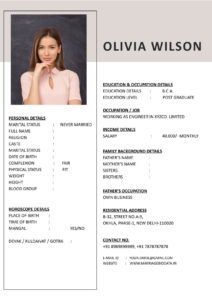
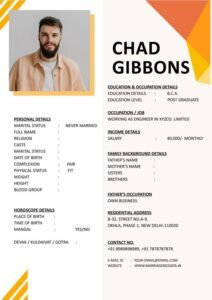
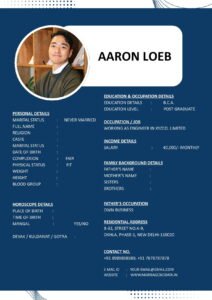
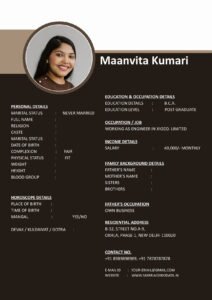
A marriage biodata is a structured document that introduces a bride or groom to a potential partner and their family. It includes personal details, education, career, family background, lifestyle preferences, and expectations.
It is also known as a matrimonial biodata or a marriage CV. Unlike a job resume, this document focuses on compatibility, values, and long-term goals.
A good marriage biodata format is clear, respectful, and balanced. It does not hide important information, but it also does not expose unnecessary details.
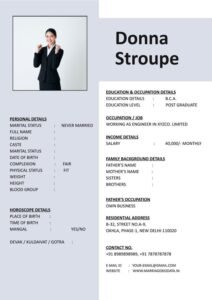
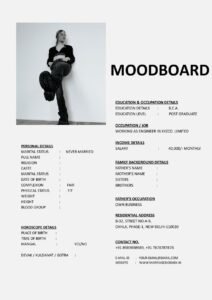
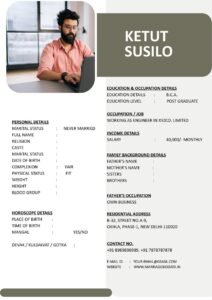
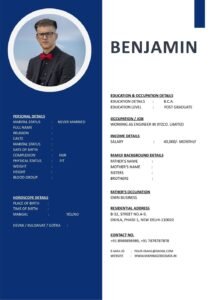
Is It Necessary to Mention Past Relationships in Biodata?
Let’s answer this honestly: in most cases, you do not need to describe your past relationship directly inside your biodata for marriage.
However, there are situations where clarity is important:
- If you were previously married
- If you were engaged earlier
- If the relationship was publicly known
- If it may affect future discussions
In such cases, avoiding the topic completely can create trust issues later.
Remember, marriage biodata is about building trust — not about writing your entire life story.
Why Handling This Topic Carefully Is Important
Marriage discussions are sensitive. Families value honesty, but they also value dignity.
Talking about past relationships in the right way helps:
- Build trust from the beginning
- Avoid uncomfortable surprises later
- Show emotional maturity
- Prevent misunderstandings
On the other hand, oversharing or explaining too much in the matrimonial biodata itself can create unnecessary judgment.
Step-by-Step Guide: How to Handle Past Relationships in Marriage Biodata
Step 1: Decide If It Is Relevant
Ask yourself honestly:
- Was it a serious engagement or marriage?
- Is it something the other family might find out easily?
- Will it affect long-term trust if hidden?
If the answer is yes, then it should be addressed — but not dramatically.
Step 2: Keep It Brief and Respectful
If you need to mention it, keep the wording simple. For example:
- “Previously engaged; mutually separated.”
- “Divorced; legally separated since 2022.”
There is no need to explain reasons in detail inside the marriage CV.
Step 3: Avoid Emotional Language
The biodata for marriage is not the place to describe what went wrong. Avoid negative statements about your past partner.
Stay neutral and mature.
Step 4: Discuss Details in Personal Conversation
If the other family wishes to know more, explain calmly during a conversation. Personal discussions are better than long written explanations.
Step 5: Use a Clean and Structured Format
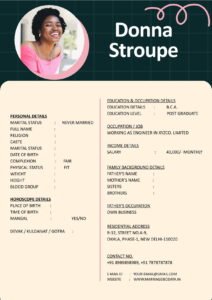
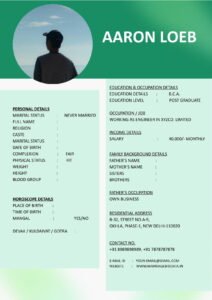
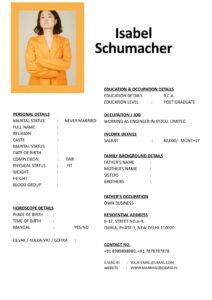
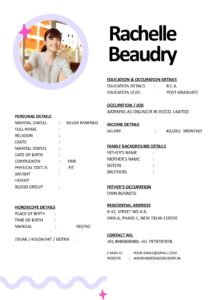
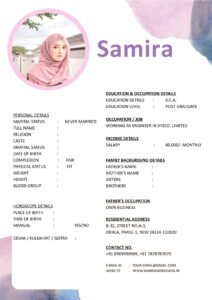
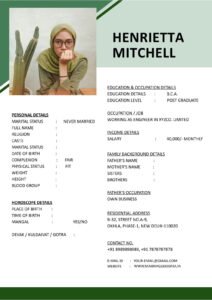
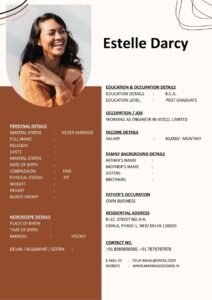
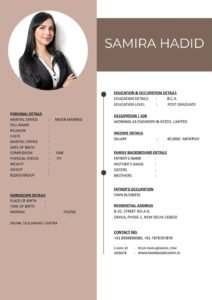
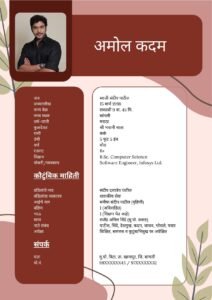
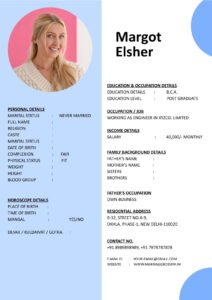
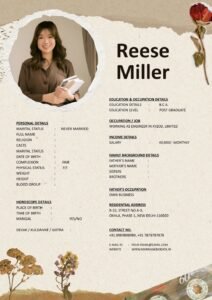
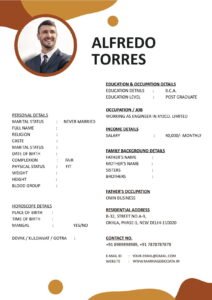
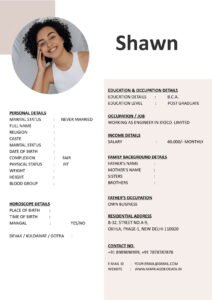
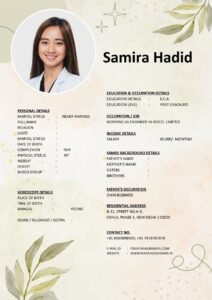
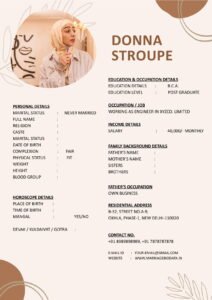
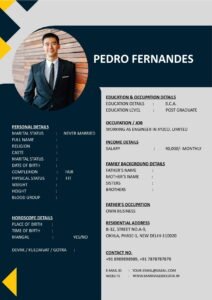
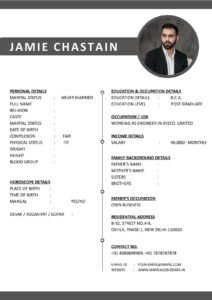
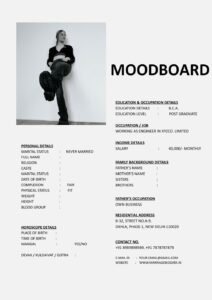
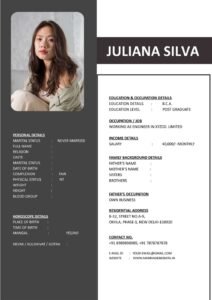
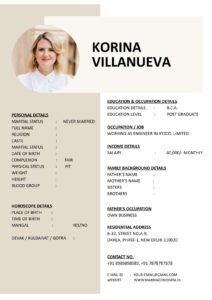
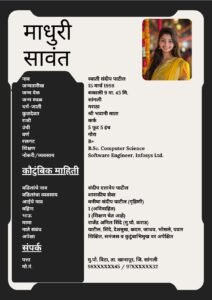
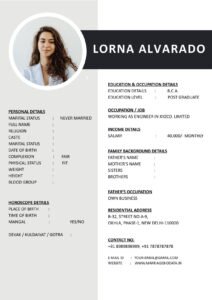
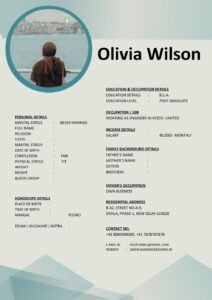
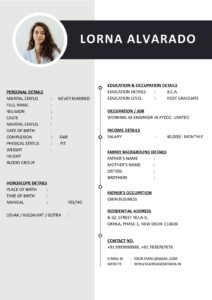
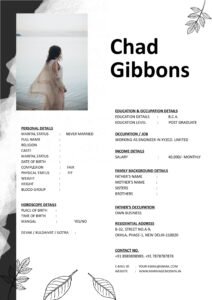
A professional biodata template helps you place sensitive information in the right section without making it the main focus.
You can explore structured and easy-to-edit formats at https://marriagebiodata.in/ to ensure clarity and neat presentation.


Real-Life Example
Rahul had a serious relationship in college that ended peacefully. It was not a formal engagement, and only close friends knew about it.
When preparing his marriage biodata, he wondered whether to mention it. After thinking carefully, he decided not to include it in the biodata itself. Later, during conversations with a potential match, he spoke honestly about it.
Because he handled the conversation maturely and without hiding facts, trust was built naturally.
On the other hand, Priya had been engaged formally, and many relatives knew about it. Initially, her family avoided mentioning it in the matrimonial biodata. Later, when the topic came up from another source, the discussion became uncomfortable.
After that experience, they updated the biodata with a simple, respectful line. Future discussions were smoother because expectations were clear.
Common Mistakes to Avoid
- Writing a long emotional explanation in the biodata
- Blaming the previous partner
- Completely hiding a past marriage or engagement
- Using dramatic language
- Allowing parents to exaggerate or modify facts
Marriage biodata format should always remain balanced and professional.
How to Present It Without Making It the Main Focus
If required, include it under a small section like “Marital Status.”
For example:
- Marital Status: Divorced (No children)
- Marital Status: Previously engaged (mutually called off)
Keep it factual and short. Then continue with your education, career, hobbies, and family details.
The goal is not to highlight the past, but to show clarity.
Pro Tips for Handling Sensitive Topics in Matrimonial Biodata
- Be honest but not overly detailed.
- Let your personality and achievements lead the biodata.
- Stay calm during discussions.
- Involve your parents in clear communication.
- Choose a structured marriage biodata format that keeps everything organized.
- Review the document before sharing.
Most importantly, remember that everyone has a past. Emotional maturity is often seen as a positive quality.
Conclusion
Knowing how to talk about past relationships (if needed) in marriage biodata requires balance. You do not need to narrate your entire history. At the same time, hiding serious past commitments can damage trust later.
A well-prepared marriage biodata focuses on who you are today — your values, your goals, and your readiness for commitment. If a past relationship needs to be mentioned, keep it brief, factual, and respectful.
With the right approach, honesty becomes a strength rather than a weakness.
If you are preparing your biodata for marriage, using a clean and professional biodata template can help you organize sensitive information properly and maintain clarity throughout the document.
Frequently Asked Questions (FAQ)
1. Should I mention a college relationship in my marriage biodata?
In most cases, no. If it was not a formal engagement or marriage, it can be discussed later during personal conversations if needed.
2. Is it wrong to hide a previous engagement?
If it was formal and publicly known, it is better to mention it briefly. Hiding it may create trust issues later.
3. How detailed should I be about a past marriage?
Keep it short and factual in the biodata. Detailed explanations can be shared privately if discussions move forward.
4. Where should I mention marital status in a marriage CV?
It is usually included under basic personal details. Keep the wording simple and clear.
5. Can a professional marriage biodata format help with sensitive topics?
Yes. A well-designed format ensures that sensitive information is presented respectfully without overpowering the entire profile.