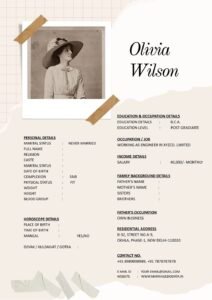
You created your marriage biodata with care. You selected a neat design, wrote a meaningful “About Me,” and shared it with families. But weeks pass, and responses are slow. Or maybe you are getting responses, but not the kind you expected.
At this stage, many people feel confused. They either blame luck or stop trying. However, there is a smarter approach — track your responses and improve your biodata over time.

This guide will show you how to track responses and improve your marriage biodata over time in a practical and calm way. Marriage is a serious decision, and small improvements in presentation can make a noticeable difference.
What Is a Marriage Biodata?
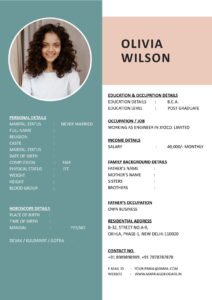
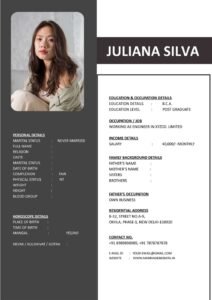
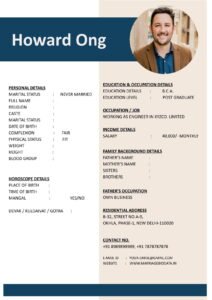
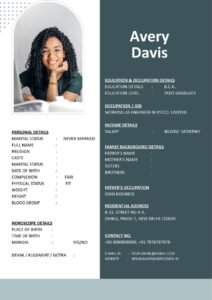
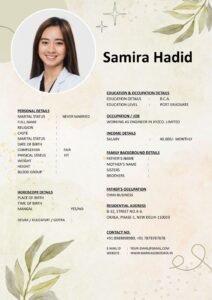
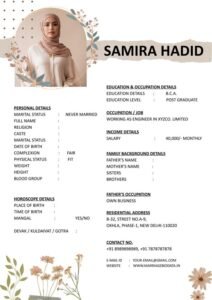
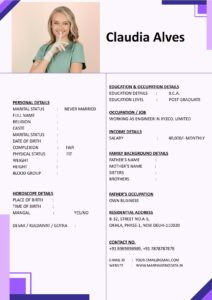
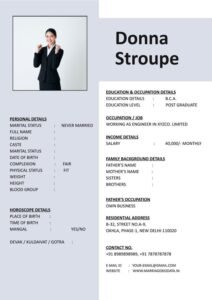
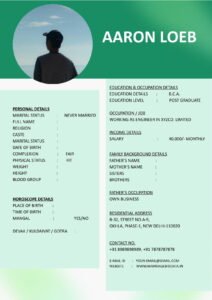
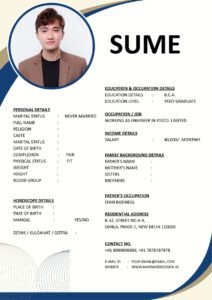
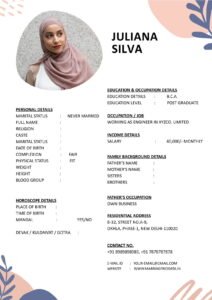
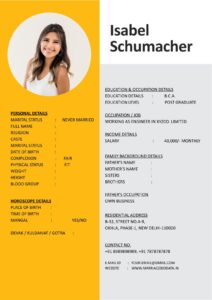
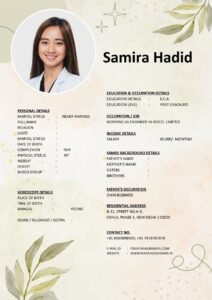
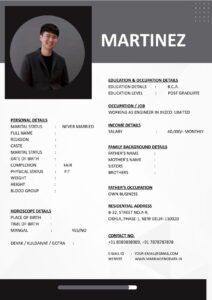
A marriage biodata is a structured document used in arranged or semi-arranged marriage discussions. It includes personal details, education, profession, family background, lifestyle, hobbies, and partner expectations.
It is also called a matrimonial biodata or sometimes a marriage CV. Unlike a job resume, it focuses on compatibility, values, and long-term goals.
But just like a professional resume evolves over time, your biodata for marriage can also improve based on feedback and response patterns.
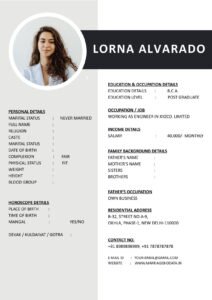
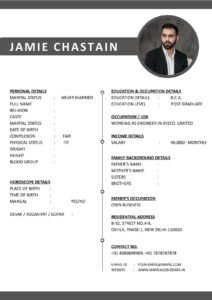
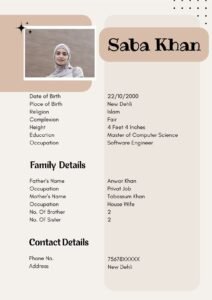

Why Tracking Responses Is Important
Many people send their biodata to multiple families but never track what happens next.
Ask yourself:
- Who responded quickly?
- Who showed interest but stopped replying?
- What kind of families are responding?
- Are there common reasons for rejection?
Tracking these details helps you understand whether the issue is compatibility, presentation, expectations, or communication style.
This process is not about changing yourself. It is about refining clarity.
Step-by-Step Guide: How to Track Responses Effectively
Step 1: Maintain a Simple Record
Create a small tracking sheet in a notebook or Excel. Add columns like:
- Date Sent
- Family Name
- Response Received (Yes/No/Pending)
- Comments or Feedback
- Next Action
This small habit prevents confusion and helps you notice patterns.
Step 2: Observe Patterns Carefully
After sharing your matrimonial biodata with 10–15 families, check:
- Are responses mostly from a specific profession group?
- Are families asking similar questions repeatedly?
- Is there hesitation about a specific detail?
Patterns reveal areas that may need clarification.
Step 3: Evaluate Your Marriage Biodata Format
Sometimes the issue is not content but presentation.
Check:
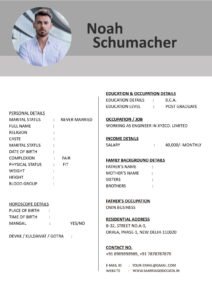
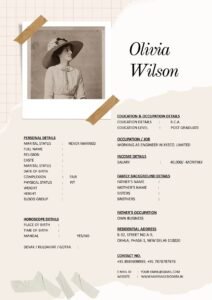
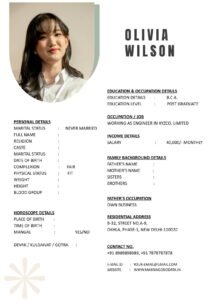
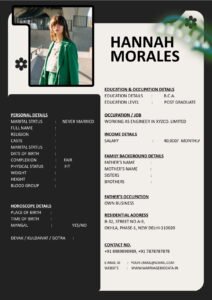
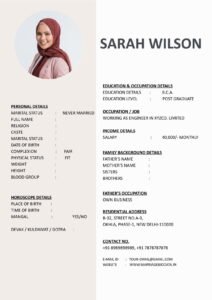
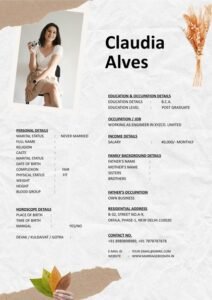
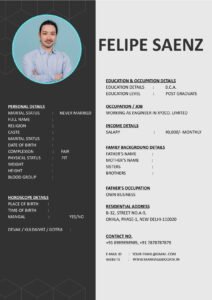
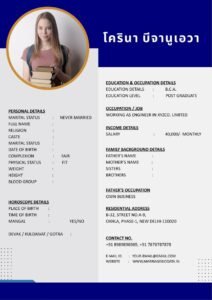
- Is the marriage biodata format clean and readable?
- Is the font size comfortable?
- Is the PDF mobile-friendly?
- Is your photo clear and recent?
If not, consider updating your biodata template for better clarity.
Step 4: Refine the “About Me” Section
If conversations stop after initial review, your introduction may need adjustment.
Ask yourself:
- Does it sound confident?
- Is it too short or too long?
- Does it clearly reflect personality and values?
Small wording changes can improve relatability.
Step 5: Recheck Partner Expectations
Sometimes expectations may sound too strict or unclear.
For example:
- “Looking for a highly successful partner from a reputed family.”
This may sound demanding.
Instead, try:
- “Seeking a well-educated and understanding partner who values family and growth.”
Clarity without rigidity attracts better responses.
Real-Life Example
Simran shared her biodata for marriage with several families. Initially, she received limited responses.
After tracking feedback, she noticed that many families asked about her relocation plans and career goals.
Her original marriage CV mentioned she was career-oriented but did not explain flexibility.
She updated her “About Me” section to clarify:
“Open to discussing relocation based on mutual understanding and career opportunities.”
Within a month, conversations became more positive.
The lesson? Small clarity changes matter.
Common Mistakes to Avoid
- Sending the same biodata for years without updates
- Ignoring repeated feedback
- Changing core personality just to attract responses
- Over-editing after every single rejection
- Comparing yourself negatively with others
Improvement should be thoughtful, not emotional.
How Often Should You Update Your Marriage Biodata?
Consider updating when:
- You change job or salary
- You complete higher education
- You relocate to another city
- You receive repeated feedback about unclear sections
However, avoid frequent unnecessary changes. Stability builds trust.
Pro Tips to Improve Your Biodata Over Time
- Review your biodata every 3–6 months.
- Ask a trusted elder or friend to read it.
- Keep the marriage biodata format simple and structured.
- Ensure mobile-friendly PDF layout.
- Use a professional and clean biodata template.
- Keep expectations realistic and respectful.
If you feel your current format looks outdated, you can explore structured and modern templates at https://marriagebiodata.in/ to refresh the presentation without changing your authenticity.
Emotional Balance While Improving
It is important to stay calm during this process.
Marriage discussions involve multiple factors:
- Compatibility
- Location
- Family preferences
- Timing
Not every rejection means your biodata is wrong.
Track trends, not isolated cases.
Focus on Growth, Not Perfection
Your matrimonial biodata is a living document. It evolves with your career, personality, and clarity.
Instead of aiming for perfection, aim for:
- Clarity
- Honesty
- Readability
- Balance
That combination builds trust naturally.
Conclusion
Understanding how to track responses and improve your marriage biodata over time helps you approach the process with strategy instead of stress.
A thoughtful biodata for marriage is not just about writing once and waiting. It is about reviewing, refining, and presenting yourself clearly.
By maintaining simple records, observing response patterns, updating your marriage biodata format when needed, and keeping expectations balanced, you increase the chances of meaningful connections.
Remember, marriage is about compatibility and mutual respect — not instant approval. Stay patient, stay confident, and let steady improvements guide your journey.
Frequently Asked Questions (FAQ)
1. How many biodata should I send before reviewing changes?
After sending to 10–15 families, review response patterns to see if improvements are needed.
2. Should I change my personality description after rejection?
Only if there is repeated feedback about clarity. Do not change your core values.
3. How often should I update my marriage biodata?
Review every 3–6 months or after major life changes.
4. Is format more important than content?
Both matter. A clean marriage biodata format enhances readability, while content builds connection.
5. Where can I find updated biodata templates?
You can explore structured and easy-to-edit biodata templates on trusted matrimonial-focused platforms that specialize in marriage profile formats.