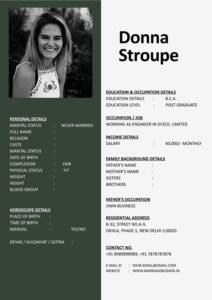
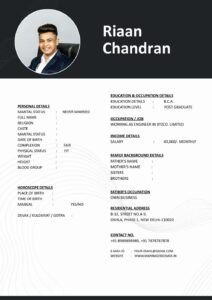
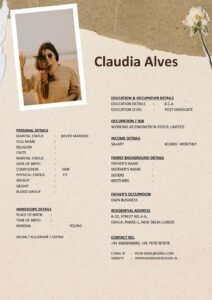
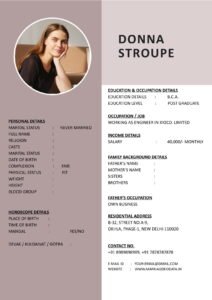
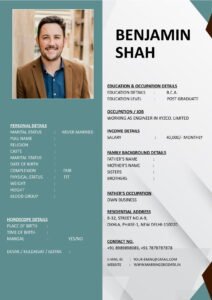
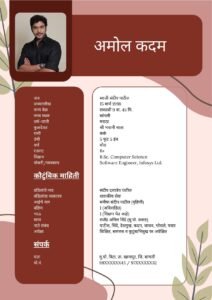
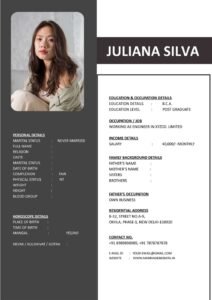
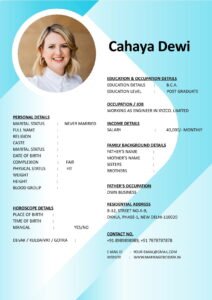
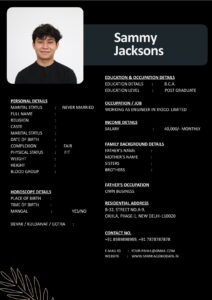
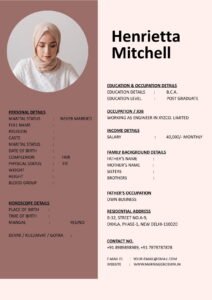
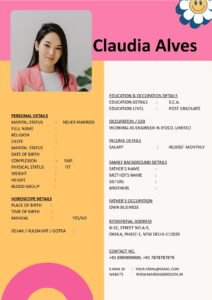
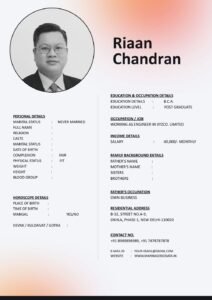
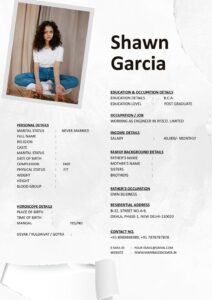
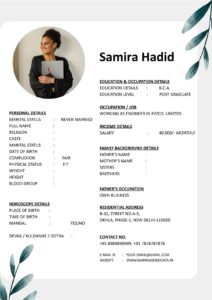
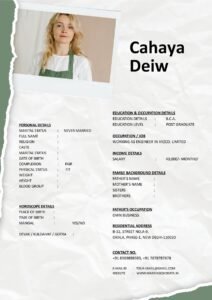
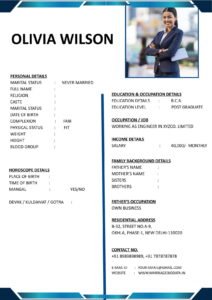
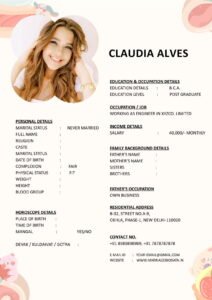
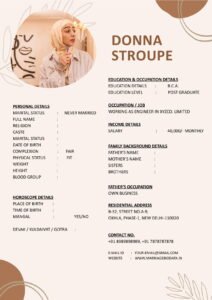
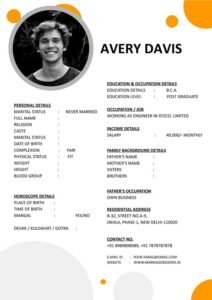
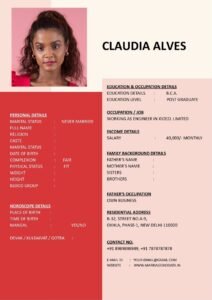
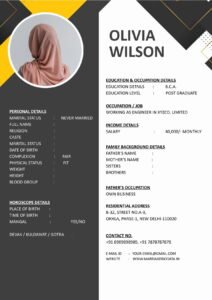
Marriage biodata has come a long way.
Earlier, it was a simple one-page document with basic details like name, age, height, education, and family background. It was printed on paper and shared physically through relatives.
Today, things are very different. Biodata is shared on WhatsApp, email, and matrimonial platforms. It is designed digitally, converted into PDF, and viewed mostly on mobile phones.

So naturally, the question arises — what will happen next?
In this article, we will explore the Future of Marriage Biodata: Trends You Should Know for the Next 5 Years and how you can stay prepared. If you are creating or updating your biodata for marriage, these insights will help you stay ahead.
What Is a Marriage Biodata?
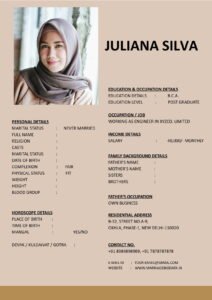
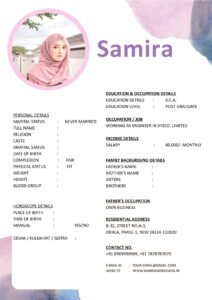
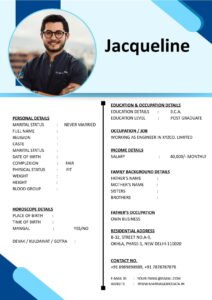
A marriage biodata is a structured document used to introduce a bride or groom during arranged or semi-arranged marriage discussions. It typically includes:
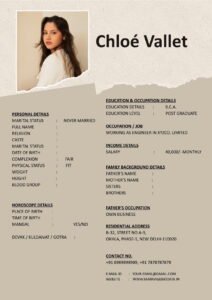
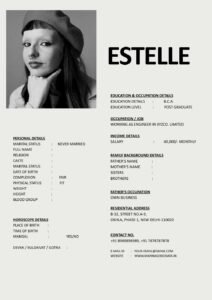
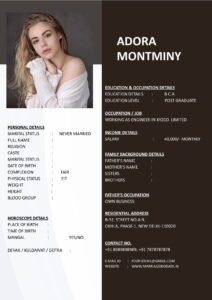
- Personal information
- Education and profession
- Family background
- Hobbies and lifestyle
- Partner expectations
It is also called a matrimonial biodata or sometimes a marriage CV. The format and presentation of this document have evolved over time — and will continue to evolve.
Why Understanding Future Trends Is Important
Marriage discussions are changing because:
- Technology is changing.
- Families are becoming more open-minded.
- Young individuals are more involved in decisions.
- Communication is faster and digital.
If your marriage biodata format looks outdated, it may unintentionally send the wrong message.
Staying updated does not mean being flashy. It means being clear, modern, and balanced.
Trend 1: Mobile-First Biodata Design
Over the next five years, mobile-friendly biodata will become standard.
Most families already view profiles on smartphones. In the future:
- Single-column layouts will dominate.
- Larger, readable fonts will be preferred.
- Clean spacing will be essential.
Complex designs and heavy graphics will reduce.
A simple and responsive marriage biodata format will become the norm.
Trend 2: Shorter and More Focused Profiles
Attention spans are decreasing.
Instead of long paragraphs, future matrimonial biodata documents will focus on:
- Clear bullet points
- Concise “About Me” sections
- Structured headings
The goal will be clarity, not decoration.
Trend 3: More Personal Voice in “About Me”
Earlier, biodata often sounded formal and parent-written.
In the coming years, the individual’s voice will matter more.
Instead of:
“We are seeking a suitable match for our daughter…”
Profiles may begin with:
“I value honesty, growth, and strong family connections…”
This shift reflects greater involvement of the bride and groom in the process.
Trend 4: Transparency and Clarity
Future biodata for marriage will include clearer information about:
- Career plans
- Location flexibility
- Work-life balance expectations
- Lifestyle choices
Vague descriptions will reduce. Clear communication will increase trust.
Trend 5: Balanced Modern-Traditional Presentation
Families increasingly look for individuals who are modern yet rooted in values.
Future marriage CV formats will highlight:
- Professional achievements
- Family respect
- Cultural connection
- Personal hobbies
This balance will become more important than rigid traditional labels.
Trend 6: Digital Sharing Etiquette
In the next five years, digital etiquette will matter even more.
This includes:
- Professional file naming
- Clear email subject lines
- Polite WhatsApp introductions
- Structured follow-up messages
The biodata template is important — but how you share it is equally important.
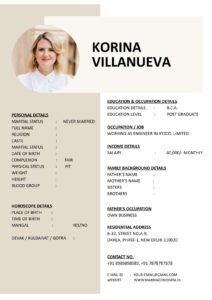
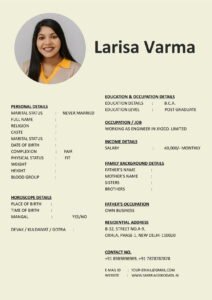
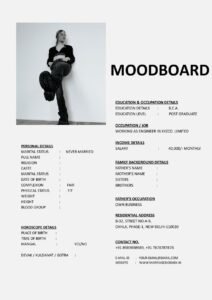
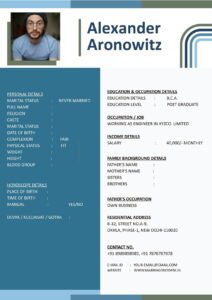
Trend 7: Customizable Templates
Instead of one standard format, families will prefer customizable designs.
For example:
- Simple traditional template
- Modern professional template
- Minimal single-page format
Platforms like https://marriagebiodata.in/ already offer structured and editable formats, and this customization trend will continue to grow.
Step-by-Step Guide: How to Prepare for the Future
Step 1: Update Your Marriage Biodata Format
- Use clean layout.
- Keep it 1–2 pages.
- Ensure mobile compatibility.
Step 2: Strengthen Your “About Me”
- Write naturally.
- Focus on values and goals.
- Avoid copied generic lines.
Step 3: Maintain Digital Professionalism
- Save as PDF.
- Use proper file name.
- Share with polite introduction.
Step 4: Review Every 6 Months
- Update job details.
- Add new qualifications.
- Refine expectations if needed.
Marriage biodata should evolve with your life.
Real-Life Example
Priyansh created a detailed three-page matrimonial biodata with decorative fonts and heavy design elements.
While it looked attractive on laptop, it was difficult to read on mobile.
After simplifying the marriage biodata format to a clean two-page PDF with structured sections, responses improved.
The content remained the same — but presentation matched modern expectations.
Common Mistakes to Avoid in the Future
- Using outdated formats with cluttered layouts
- Writing extremely long descriptions
- Ignoring mobile readability
- Being unclear about expectations
- Over-designing the biodata template
Simplicity and clarity will always win.
Pro Tips to Stay Ahead
- Keep design minimal.
- Focus on authenticity.
- Maintain professional communication style.
- Balance tradition with modern clarity.
- Review and refine regularly.
The future of marriage biodata is not about complexity. It is about thoughtful presentation and honest communication.
Conclusion
The Future of Marriage Biodata: Trends You Should Know for the Next 5 Years shows one clear direction — simplicity, clarity, and digital readiness.
Marriage biodata will continue evolving with technology and changing social values. But its purpose will remain the same: introducing two families and two individuals with honesty and respect.
A modern marriage biodata format will focus on mobile readability, concise writing, balanced values, and professional communication.
If you prepare your matrimonial biodata with these trends in mind, you will not just follow the future — you will be ready for it.
Frequently Asked Questions (FAQ)
1. Will traditional biodata formats disappear?
No. Traditional formats will remain, but they will become cleaner and more mobile-friendly.
2. Is one-page biodata better for the future?
Yes, concise and structured formats are becoming more popular.
3. Should I design my own biodata template?
You can, but using structured and professional templates saves time and ensures clarity.
4. Will digital sharing replace printed biodata?
Digital sharing is already dominant and will likely continue growing.
5. What is the most important trend to focus on?
Mobile-friendly design and clear communication are the most important trends for the future.