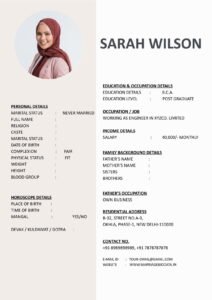
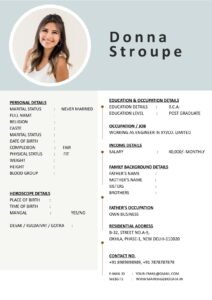
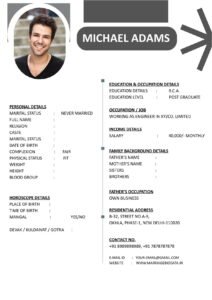
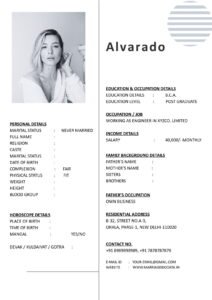
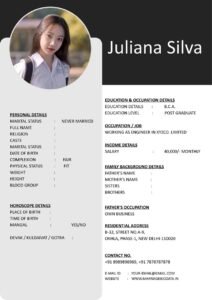
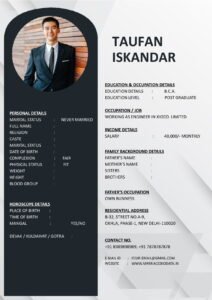
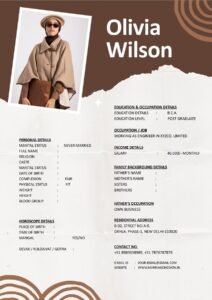
You received someone’s marriage biodata on WhatsApp or email. You went through it carefully. The profile looks good, the family background seems respectable, and there is genuine interest.
But you still have a few questions.
Maybe some details are unclear. Maybe you want to understand career plans better. Maybe you need clarification about location, expectations, or family structure.
Now the real question arises — how do you ask for more information without sounding rude, suspicious, or demanding?
This guide will clearly explain How to Politely Ask for More Information After Receiving Someone’s Biodata in a respectful and mature way. Because in matrimonial discussions, tone matters just as much as content.
What Is a Marriage Biodata?
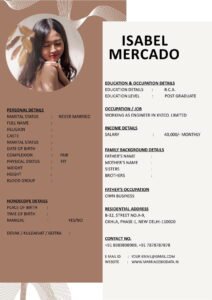
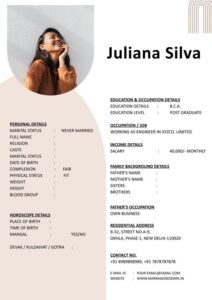
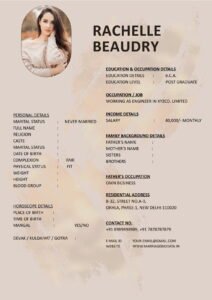
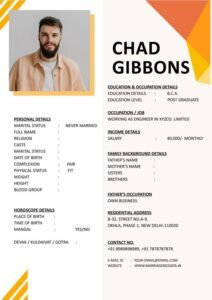
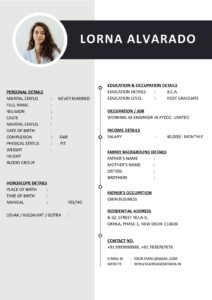
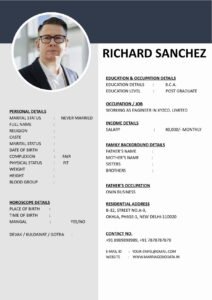
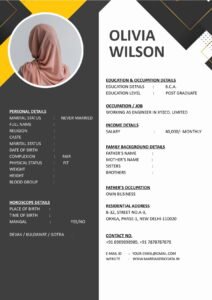
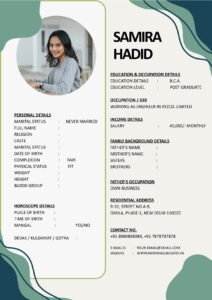
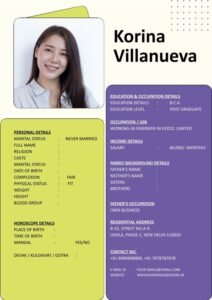
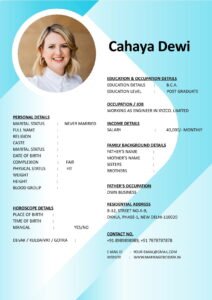
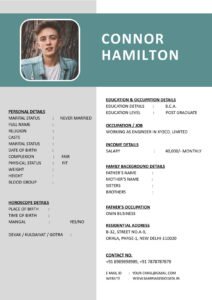
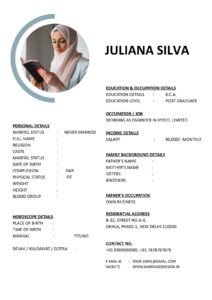
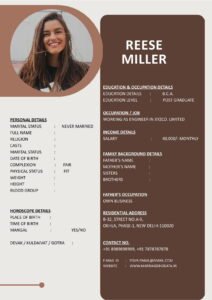
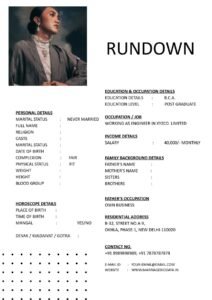
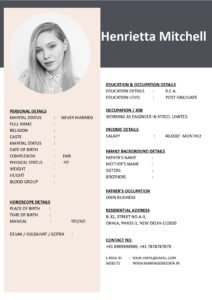
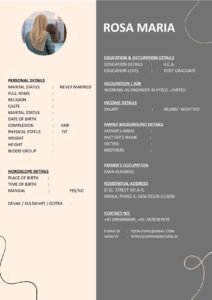
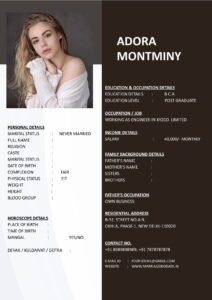
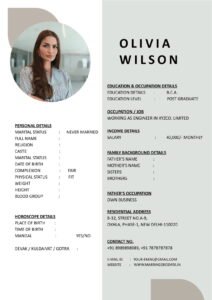
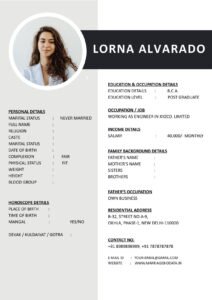
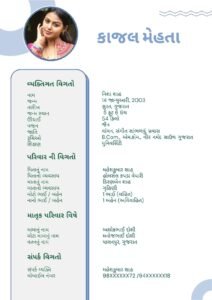
A marriage biodata is a structured document used in arranged or semi-arranged marriage conversations. It includes important details such as:
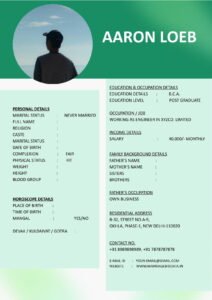
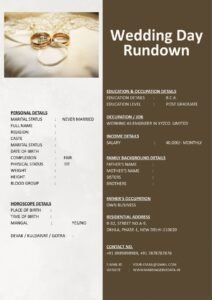
- Personal information (age, height, location)
- Education and profession
- Family background
- Hobbies and interests
- Partner expectations
It is also referred to as a matrimonial biodata or sometimes a marriage CV. A well-designed marriage biodata format makes it easier for families to understand compatibility quickly.
However, a biodata for marriage cannot include every detail. That is why follow-up communication becomes important.
Why Asking Politely Is Important
Marriage discussions are sensitive. The goal is not interrogation — it is understanding.
When you ask questions politely, you:
- Show seriousness
- Demonstrate maturity
- Build trust
- Encourage open communication
On the other hand, direct or blunt questioning can create discomfort.
Step-by-Step Guide: How to Ask for More Information Respectfully
Step 1: Start with Appreciation
Always acknowledge the effort they took to share their matrimonial biodata.
Example:
“Thank you for sharing the biodata. We appreciate the detailed information.”
Step 2: Mention Positive Observations
Highlight something you genuinely liked.
For example:
“We found the profile well-structured and appreciated the clarity about career details.”
This creates a positive tone before asking questions.
Step 3: Ask Specific and Clear Questions
Avoid vague questions like:
- “Tell us more.”
Instead, be specific but respectful.
For example:
- “Could you please share more details about relocation plans?”
- “We would like to understand future career goals better.”
- “Would you be comfortable sharing more about family structure?”
Step 4: Keep the Tone Balanced
Use soft language like:
- “If possible”
- “Whenever convenient”
- “We would appreciate clarification”
This keeps the discussion comfortable.
Polite Message Templates You Can Use
Template 1: Clarifying Career Details
“Thank you for sharing the marriage biodata. We were reviewing the profile and would appreciate a little more clarity regarding future career plans. Please share whenever convenient.”
Template 2: Asking About Location Flexibility
“We found the profile suitable and wanted to understand relocation preferences better. Kindly let us know your thoughts on this.”
Template 3: Requesting Family Information
“Thank you for the detailed matrimonial biodata. If possible, could you please share a bit more about extended family background?”
Template 4: Suggesting a Call Instead
“We have a few questions after reviewing the biodata for marriage. Would it be convenient to connect over a brief call?”
Sometimes conversation is better than text.
Real-Life Example
Megha’s family received a marriage CV that looked promising. However, the biodata did not clearly mention whether the groom planned to stay abroad permanently.
Instead of directly asking, “Is he planning to leave India?” they sent a polite message:
“We appreciated the profile and would like to understand future location plans better, especially regarding long-term settlement. Kindly guide us.”
The response was open and positive. The tone made all the difference.
Common Mistakes to Avoid
- Asking too many questions in one message
- Sounding suspicious or interrogative
- Using blunt language like “Why?” repeatedly
- Discussing finances immediately
- Ignoring appreciation before questioning
Respect builds stronger conversations than urgency.
When Should You Ask for More Information?
It is best to ask:
- After reviewing the biodata carefully
- Before scheduling the first meeting
- After confirming initial interest
A thoughtful approach strengthens trust.
How Biodata Presentation Affects Follow-Up Questions
If a marriage biodata format is unclear or incomplete, it automatically creates more questions.
A structured and clear biodata template reduces confusion and unnecessary follow-ups.
If you are preparing your own profile, ensure it includes:
- Clear education details
- Job description
- Location clarity
- Family overview
- Expectation section
You can explore well-designed and structured formats at https://marriagebiodata.in/ to present information clearly from the beginning.
Pro Tips for Healthy Communication
- Keep conversations calm and respectful.
- Ask one topic at a time.
- Listen carefully during calls.
- Avoid assumptions.
- Allow space for honest answers.
Remember, marriage discussions are about compatibility — not negotiation.
Balance Curiosity with Sensitivity
It is natural to want clarity.
But always remember:
- Everyone deserves privacy.
- Trust builds gradually.
- Respectful communication sets the foundation.
Asking politely shows emotional maturity.
Conclusion
Understanding How to Politely Ask for More Information After Receiving Someone’s Biodata helps maintain dignity and respect throughout the marriage process.
A marriage biodata opens the door. Your communication determines whether that door stays open.
Start with appreciation. Ask clearly but gently. Keep tone warm and professional. Avoid rushing sensitive topics.
When handled with maturity, follow-up questions strengthen clarity instead of creating tension.
In the end, good communication is the strongest foundation for a successful marriage discussion.
Frequently Asked Questions (FAQ)
1. Is it okay to ask detailed questions after receiving biodata?
Yes, but ask politely and only after reviewing the profile carefully.
2. Should we ask financial details immediately?
It is better to build comfort first before discussing sensitive topics.
3. Is texting better than calling for clarification?
Start with a polite message. If discussion becomes detailed, suggest a call.
4. How many questions should we ask at once?
Keep it limited to one or two topics to avoid overwhelming the other family.
5. Does a clear marriage biodata format reduce misunderstandings?
Yes. A structured and detailed matrimonial biodata helps answer many questions in advance.