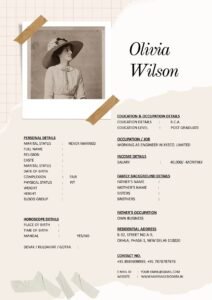
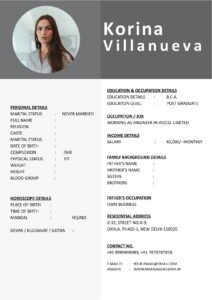
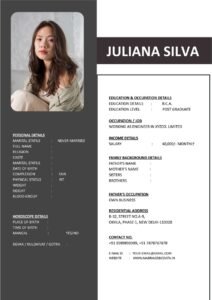
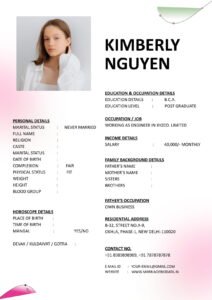
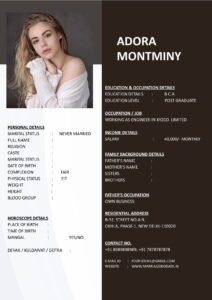
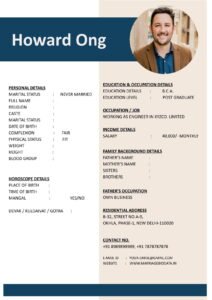
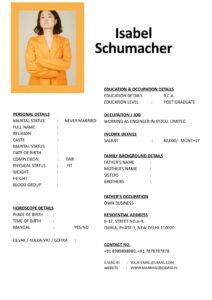
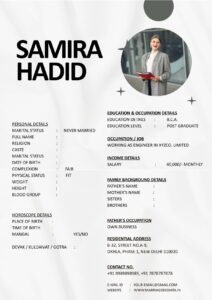
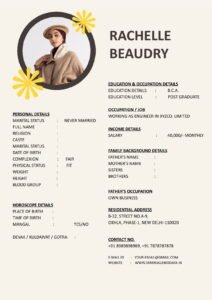
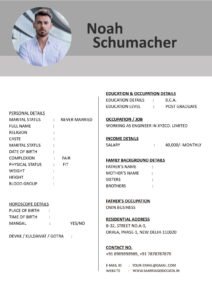
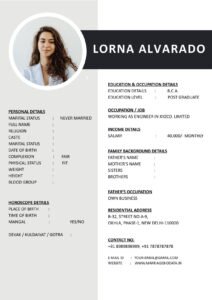
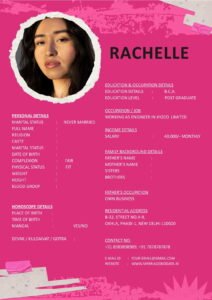
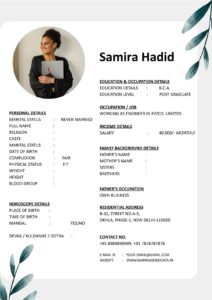
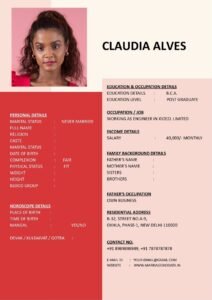
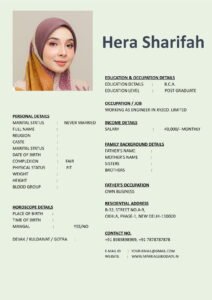
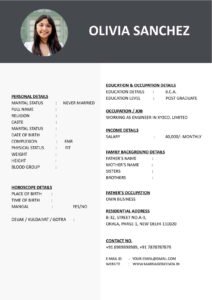
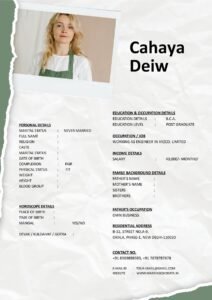
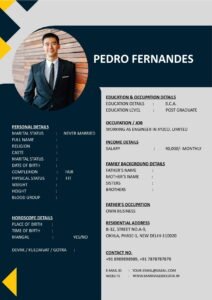
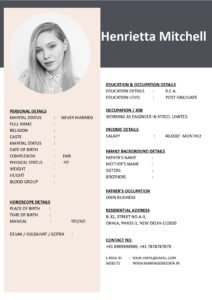
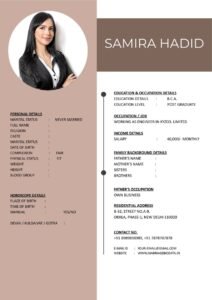
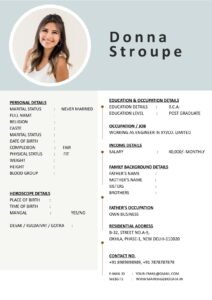
When families begin the search for a life partner, thousands of profiles look almost the same. Similar details. Similar formats. Similar photographs. In that crowd, how do you make yours truly stand out?
This is where Advanced Marriage Biodata Tips: Small Changes That Make a Big Impact become important. You don’t need dramatic designs or over-the-top information. Sometimes, small improvements in your marriage biodata format can create a strong and lasting impression.
If you are preparing a biodata for marriage or updating an old one, this guide will help you refine it like a professional — in a simple, practical way.
What Is a Marriage Biodata?
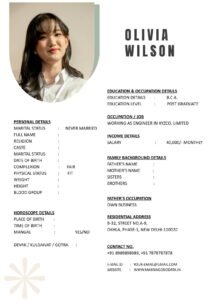
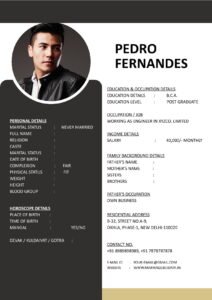
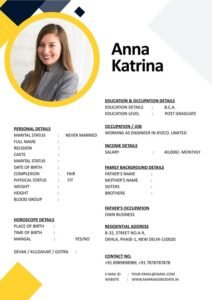
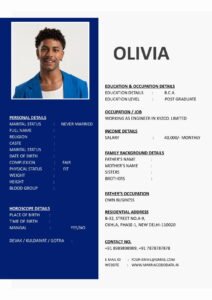
A marriage biodata is a structured document that introduces a person for matrimonial purposes. It includes basic details like name, age, education, profession, family background, and contact information.
You can think of it as a marriage CV — but more personal. Unlike a job resume, a matrimonial biodata also highlights values, lifestyle, hobbies, and expectations from a life partner.
A well-designed matrimonial biodata reflects personality, clarity, and seriousness. It becomes your first impression before any conversation begins.
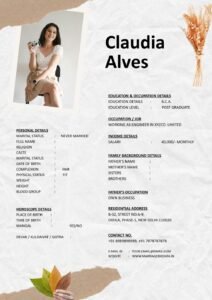
Why Small Changes Matter So Much
Most people focus only on filling information in a biodata template. But what truly creates impact are the small details:
- How clearly your information is structured
- How honest and warm your introduction feels
- How professional your photograph looks
- How concise your expectations are written
Families often review dozens of profiles in one sitting. If your biodata is easy to read and thoughtfully written, it immediately feels different.
That’s the power of advanced marriage biodata tips — not changing everything, but refining what already exists.
Step-by-Step Guide: Small Improvements That Create Big Impact
1. Upgrade Your Introduction Section
Instead of writing:
“I am simple and caring person.”
Try something more natural and specific:
“I come from a close-knit family and value honesty, respect, and personal growth. I enjoy learning new skills and maintaining a balanced professional and personal life.”
This small change adds depth without making it dramatic.
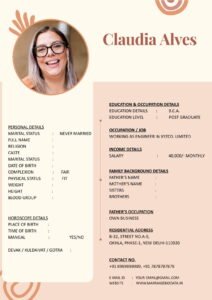
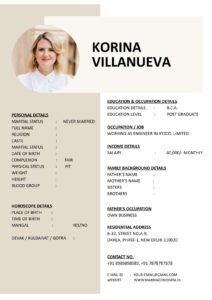
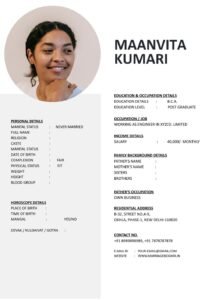
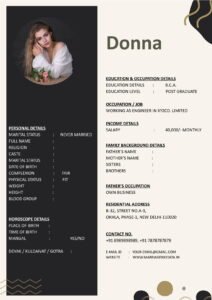
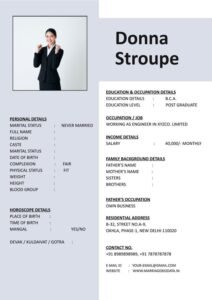
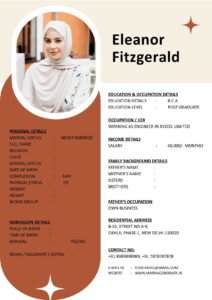
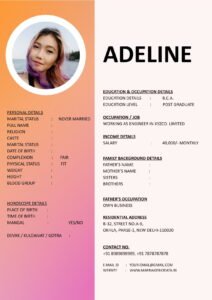
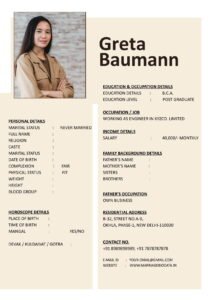
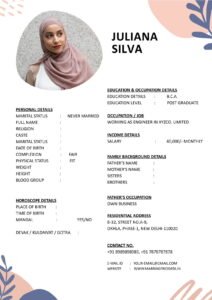
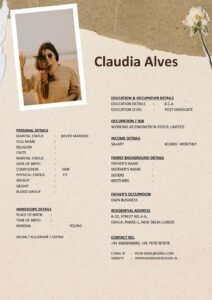
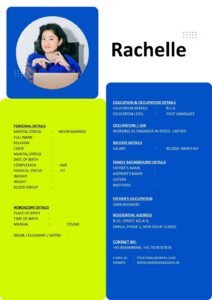
2. Improve Your Marriage Biodata Format
A cluttered layout reduces readability. Choose a clean and structured marriage biodata format with:
- Clear headings
- Proper spacing
- Bullet points for easy reading
- Consistent font style
If you’re unsure about layout, you can download professionally designed biodata templates from https://marriagebiodata.in/. Using a structured template saves time and improves presentation instantly.
3. Be Specific About Education and Career
Instead of writing:
“Working in private company.”
Write:
“Working as a Senior Software Engineer at a reputed IT firm in Bangalore with 5 years of experience.”
Clarity builds trust.
4. Refine the Family Details Section
Family background is important in a biodata for marriage. Keep it respectful and structured:
- Father’s occupation
- Mother’s occupation
- Siblings and their professions
- Family values (traditional, modern, balanced)
A short but clear description makes your profile complete.
5. Use a High-Quality Photograph
This is one of the most overlooked advanced marriage biodata tips.
Choose a recent, high-resolution photo with:
- Simple background
- Natural smile
- Decent attire
- Good lighting
A professional-looking photo adds immediate credibility.
6. Write Realistic Expectations
Avoid long lists of demands. Keep expectations short and meaningful.
For example:
“Looking for a well-educated, understanding partner who values family and mutual respect.”
Simple. Honest. Mature.
Real-Life Example: Small Change, Big Result
Rahul, a 29-year-old professional, had a very basic matrimonial biodata. It looked plain and slightly rushed. His responses were generic and the layout was unstructured.
After making small improvements:
- He rewrote his introduction clearly.
- He organized the marriage biodata format with proper headings.
- He replaced his old photo with a professional one.
- He shortened his expectations section.
Within weeks, his profile received significantly more positive responses. The information did not change — only the presentation improved.
This proves that small refinements truly matter.
Common Mistakes to Avoid
Even well-qualified individuals make simple errors. Avoid these:
- Spelling and grammar mistakes
- Over-decorated or flashy designs
- Too much personal or sensitive information
- Exaggerating salary or achievements
- Writing very long paragraphs
- Using outdated biodata template designs
Remember, your marriage CV should feel genuine and balanced.
Pro Tips: Advanced Marriage Biodata Tips Professionals Follow
1. Keep It One or Two Pages Maximum
Long documents reduce interest. Keep it concise.
2. Maintain Consistency
Use consistent formatting for dates, education details, and job titles.
3. Use Soft, Neutral Language
Avoid aggressive or demanding tone. Keep the language polite and warm.
4. Customize for Different Platforms
If you’re sharing on matrimonial websites and WhatsApp, adjust slightly for platform needs.
5. Update Regularly
Promotion, relocation, or higher education? Update your biodata immediately.
6. Choose the Right Biodata Template
A modern, clean biodata template enhances readability. Instead of creating from scratch, explore ready-made formats at https://marriagebiodata.in/ and select one that reflects your personality.
Why Presentation Reflects Personality
Your matrimonial biodata silently communicates:
- Your seriousness
- Your attention to detail
- Your communication style
- Your maturity
When someone reviews your profile, they form impressions within seconds. A neat marriage biodata format suggests clarity and responsibility — qualities highly valued in a life partner.
Conclusion
Creating an impressive biodata for marriage is not about adding more information. It is about presenting your existing details thoughtfully.
The advanced marriage biodata tips shared here focus on small but powerful improvements — better structure, refined language, realistic expectations, and professional presentation.
In a world where thousands of matrimonial biodata profiles look similar, these subtle enhancements can help yours stand out naturally.
Take a little extra time. Choose the right biodata template. Polish your words. Update your photo. And most importantly, stay genuine.
Because in the end, authenticity makes the biggest impact.
Frequently Asked Questions (FAQs)
1. What is the ideal length of a marriage biodata?
Ideally, a marriage biodata should be one to two pages long. It should include essential information without unnecessary details.
2. Is a marriage CV different from a regular resume?
Yes. A marriage CV focuses on personal background, family values, lifestyle, and partner expectations, while a job resume focuses on professional skills and achievements.
3. Can I use a ready-made biodata template?
Absolutely. Using a professionally designed biodata template ensures proper formatting and saves time. It also improves presentation quality.
4. Should I include salary details in matrimonial biodata?
Yes, but be honest and clear. Mention approximate annual income without exaggeration.
5. How often should I update my biodata for marriage?
You should update your biodata whenever there is a major life change such as job promotion, relocation, or additional qualification.