When it comes to marriage in India, two common paths often come up — arranged marriage and love marriage. While both lead to the same destination, the way families prepare and present information can look quite different. One important part of this preparation is the profile or biodata shared between families.
If you have ever wondered about Arranged Marriage Biodata vs Love Marriage Profile: What’s the Difference?, this guide will give you clear and practical insights. Whether you are a parent preparing a matrimonial biodata or an individual creating your own profile, understanding the difference helps you present yourself correctly.
Let’s break it down in a simple and practical way.
What Is a Marriage Biodata?
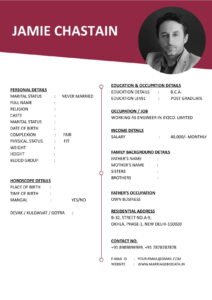
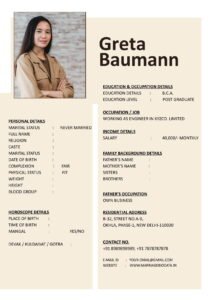
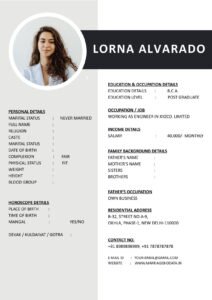
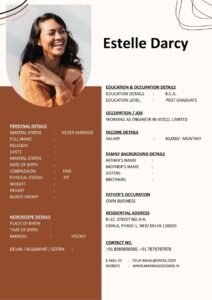
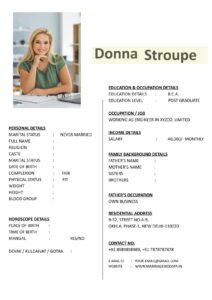
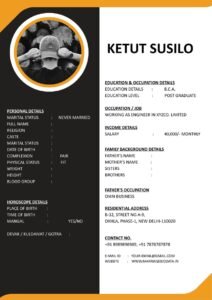
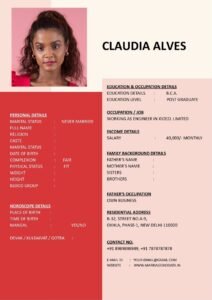
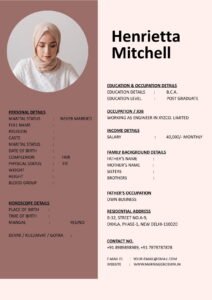
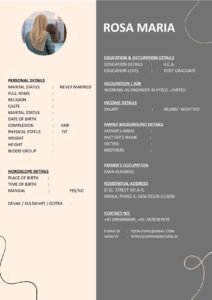
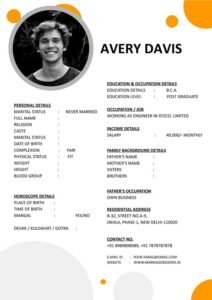
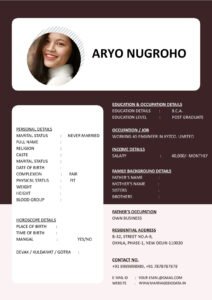
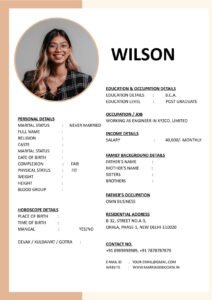
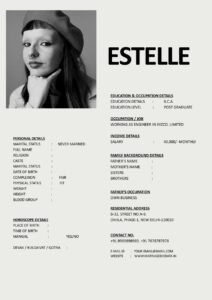
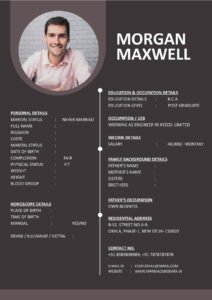
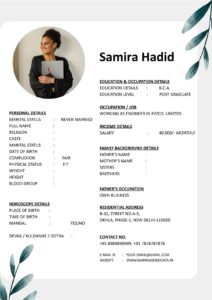
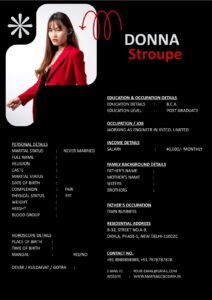
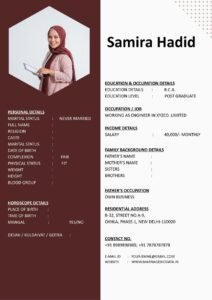
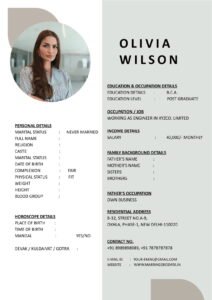
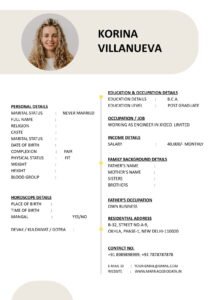
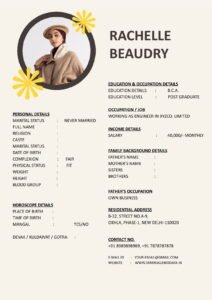
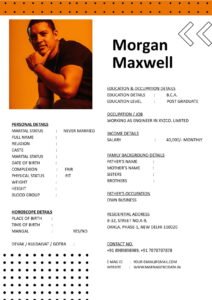
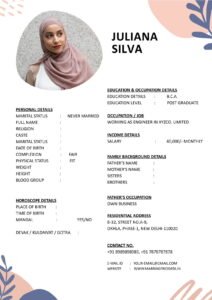
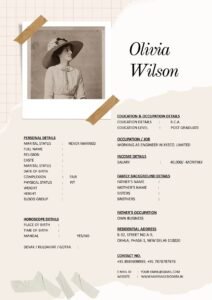
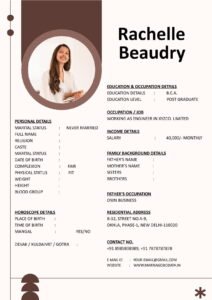
A marriage biodata is a formal document that introduces a bride or groom to another family. It includes personal details, education, career information, family background, hobbies, and partner expectations.
It is sometimes called a matrimonial biodata or even a marriage CV. Unlike a job resume, this document focuses on compatibility, values, and family background along with professional details.
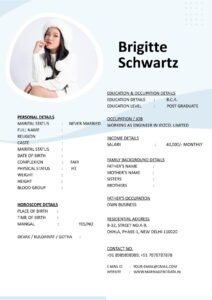
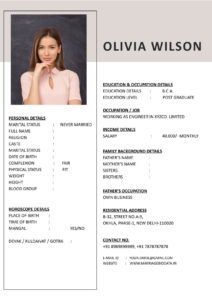
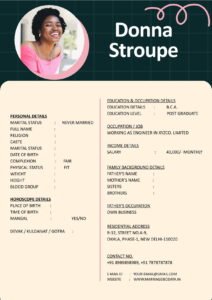
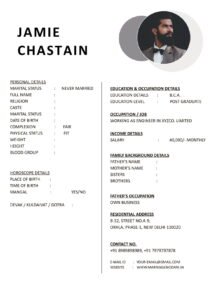
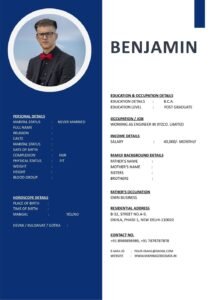
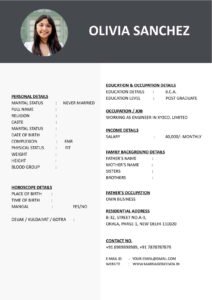
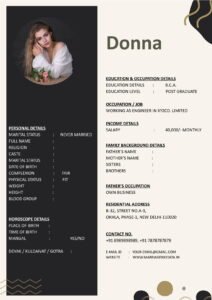
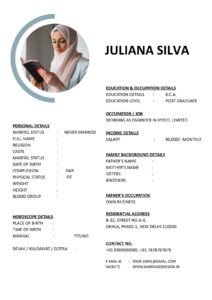
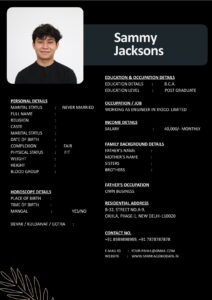
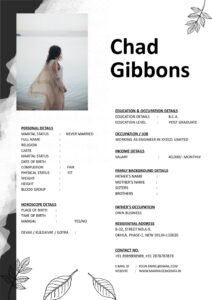
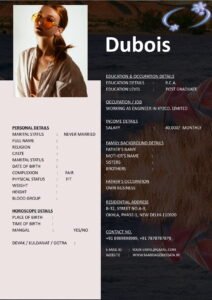
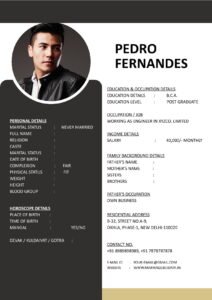
A well-designed marriage biodata format keeps everything organized and easy to read. Using a clean biodata template ensures the information looks structured and presentable.
Why the Format and Approach Matter
Marriage is not just about two individuals — especially in arranged setups. It often involves families, traditions, and expectations. That’s why the way a biodata for marriage is written depends on the type of marriage process.
In arranged marriage, the biodata plays a central role in starting conversations. In love marriage, the profile may be used more for formal introductions between families.
Understanding these differences helps avoid confusion and awkward situations.
Arranged Marriage Biodata: What It Looks Like
Purpose
In arranged marriage, the biodata is the first introduction. Families often decide whether to move forward based on this document.
Key Features
- Detailed family background
- Caste, community, or religion (if relevant)
- Education and career information
- Height, age, and other personal details
- Partner expectations
- Horoscope details (in some communities)
The focus is on compatibility between families as well as individuals.
Tone
The tone is usually formal and respectful. It may begin with lines like:
- “We are seeking a suitable match for our daughter…”
The structure follows a traditional marriage biodata format.
Love Marriage Profile: What It Looks Like
Purpose
In love marriage, the couple already knows each other. The profile is usually shared to formally introduce the partner to extended family members.
Key Features
- Basic personal details
- Education and career
- Family background (brief)
- Shared goals or future plans
Since compatibility is already established between the couple, the focus shifts to family understanding.
Tone
The tone is often more personal and less formal. It reflects mutual respect rather than a “proposal” approach.
Main Differences Between Arranged Marriage Biodata and Love Marriage Profile
1. Level of Detail
Arranged Marriage: More detailed and structured.
Love Marriage: Slightly concise and focused.
2. Family Involvement
Arranged Marriage: Strong family involvement from the beginning.
Love Marriage: Individual connection first, family involvement later.
3. Partner Expectations
Arranged Marriage: Clearly mentioned in the matrimonial biodata.
Love Marriage: Usually not required because the partner is already chosen.
4. Tone and Language
Arranged Marriage: Formal and traditional.
Love Marriage: Balanced and slightly informal.
Step-by-Step Guide to Creating the Right Profile
For Arranged Marriage Biodata
- Choose a professional biodata template.
- Start with basic personal details.
- Add education and career information.
- Mention family background clearly.
- Include partner expectations.
- Attach a recent photograph.
- Proofread before sharing.
For Love Marriage Profile
- Keep the marriage CV simple and neat.
- Highlight education and career.
- Mention family details respectfully.
- Focus on future plans as a couple.
- Maintain a respectful tone.
If you need structured and easy-to-edit designs, you can explore ready-made formats at https://marriagebiodata.in/. Choosing the right format saves time and avoids presentation mistakes.
Real-Life Example
Neha and Arjun were in a relationship for three years. When they decided to marry, their families asked for profiles to understand each other better.
Neha’s parents initially prepared a traditional arranged marriage biodata with detailed partner expectations. However, since the partner was already chosen, those sections felt unnecessary.
After revising it into a clean and simple profile highlighting career, education, and family values, discussions became smoother. The right format made communication easier.
This shows how understanding the context changes everything.
Common Mistakes to Avoid
- Using an overly formal arranged marriage format for love marriage introductions
- Skipping family details completely in love marriage profiles
- Writing long paragraphs without structure
- Exaggerating achievements
- Ignoring proofreading
A biodata for marriage should always feel authentic and balanced.
Pro Tips for Both Types of Profiles
- Keep the document within 1–2 pages.
- Use simple and clear English.
- Choose a neat marriage biodata format.
- Attach a recent, natural photograph.
- Discuss content openly with your child or partner.
- Update details if there are major life changes.
Most importantly, remember that the goal of any matrimonial biodata is clarity — not perfection.
Conclusion
When comparing Arranged Marriage Biodata vs Love Marriage Profile: What’s the Difference?, the answer lies in purpose, tone, and structure.
In arranged marriage, the biodata acts as the first step toward compatibility. It needs detail, structure, and clarity. In love marriage, the profile serves as a respectful introduction between families, focusing more on mutual understanding.
Both formats require honesty, neat presentation, and thoughtful preparation. A well-prepared marriage CV reflects maturity and seriousness.
Whether you are preparing a traditional matrimonial biodata or a simple love marriage profile, choosing the right biodata template and keeping the content genuine makes all the difference.
Frequently Asked Questions (FAQ)
1. Is a marriage biodata necessary for love marriage?
While not always mandatory, it helps families understand each other formally and creates clarity.
2. What is the ideal length of a marriage biodata?
1–2 pages are sufficient. Keep it structured and easy to read.
3. Can we use the same biodata template for both arranged and love marriage?
Yes, but adjust the tone and remove unnecessary sections like partner expectations in love marriage cases.
4. Should horoscope details be included?
It depends on family traditions. In arranged marriages, it is often included. In love marriages, it may not be necessary.
5. Where can I find a professional marriage biodata format?
You can find clean and customizable biodata templates on trusted matrimonial-focused websites that specialize in marriage profile formats.