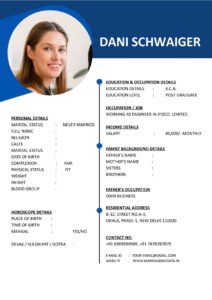
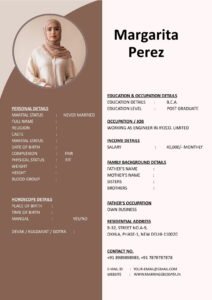
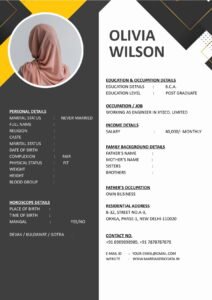
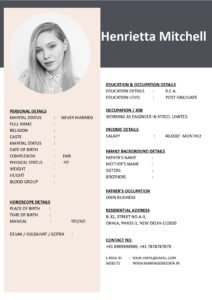
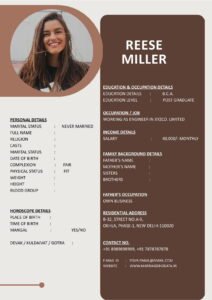
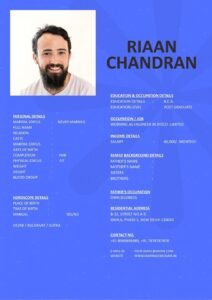
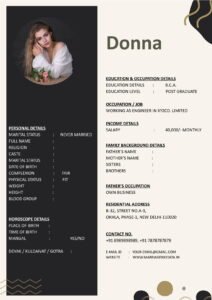
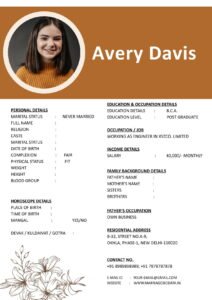
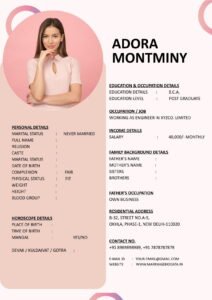
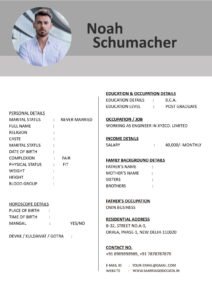
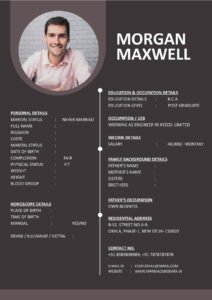
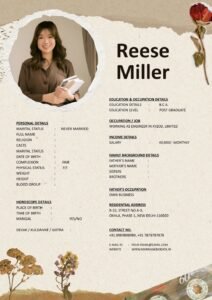
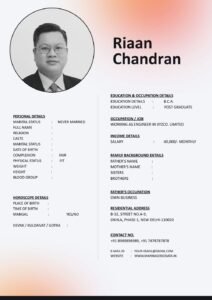
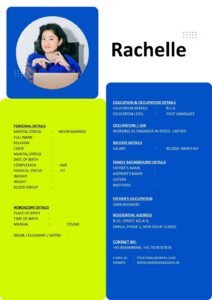
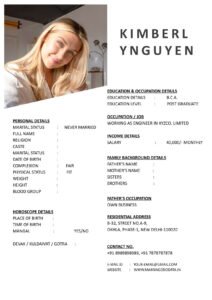
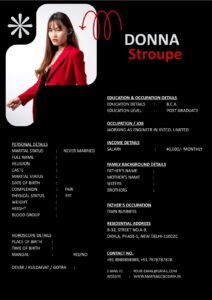
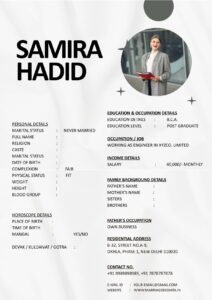
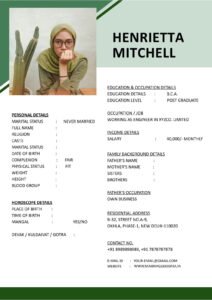
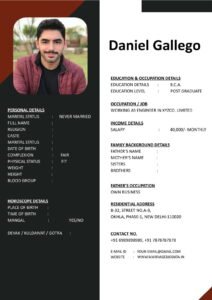
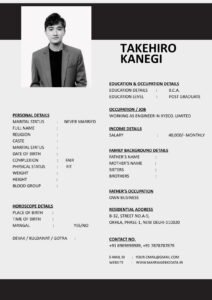
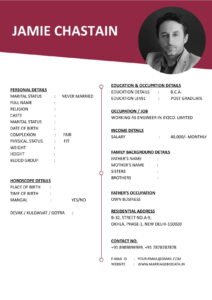
Creating a Hindu marriage biodata requires balancing traditional values with modern presentation. A well-organized biodata not only introduces you but also represents your family culture, educational background, and values clearly. Whether the biodata is for a temple priest, family introduction, or matrimonial platform, including the right details in a respectful format can make a big difference.
What Is a Hindu Marriage Biodata?
A Hindu marriage biodata is a formal document that outlines key details about the bride or groom — including personal, educational, professional, and family information. It often also mentions spiritual and cultural details such as religion, caste, gotra, horoscope, and family traditions.
Unlike a simple resume, this document is designed for marriage proposals and helps find a compatible match based on lifestyle, values, and culture.
Correct Format for Hindu Marriage Biodata
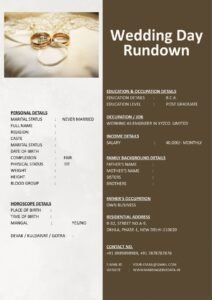
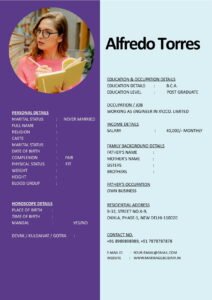
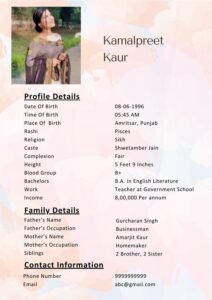
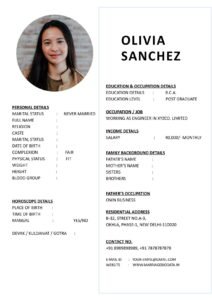
Here’s the standard structure most families follow:
- Header Section – Name, photograph, age, height, and contact details.
- Personal Details – Basic information about birth, religion, and community.
- Educational & Professional Details – Qualifications and career summary.
- Family Background – Details about parents, siblings, and family values.
- Horoscope / Kundli Details – Date, time, and place of birth along with Rashi, Nakshatra, Gotra, and Manglik status.
- Lifestyle & Interests – Hobbies, habits, and beliefs.
- Partner Preferences – A short note on the qualities and expectations from a life partner.
Sample Hindu Marriage Biodata Format
Personal Details:
Name: Priya Sharma
Date of Birth: 20 July 1998
Age: 27 Years
Height: 5'4"
Weight: 58 kg
Religion: Hindu
Caste: Brahmin (Saraswat)
Gotra: Kashyap
Rashi: Kanya (Virgo)
Nakshatra: Hasta
Manglik Status: Non-Manglik
Mother Tongue: Hindi
Current City: Delhi, India
Contact: 9XXXXXXXXX

Education & Profession:
Highest Qualification: MBA (Finance)
Graduation: B.Com (Delhi University)
Occupation: Financial Analyst at a private firm, Delhi
Annual Package: ₹10 LPA

Family Details:
Father: Mr. Rajesh Sharma, Retired Bank Manager
Mother: Mrs. Sunita Sharma, Homemaker
Siblings: One elder brother (Married, working as a Software Engineer)
Family Type: Nuclear
Family Values: Moderate
Native Place: Jaipur, Rajasthan
Current Residence: Dwarka, New Delhi

Interests & Lifestyle:
Hobbies: Reading, Cooking, Travel, Devotional Singing
Diet: Vegetarian
Habits: Non-Smoker, Non-Drinker
Beliefs: Spiritual yet modern in outlook

Partner Preferences:
Looking for a well-educated, understanding, and caring Hindu groom between 28–32 years of age, preferably from a well-settled family. Horoscope matching preferred.
What to Include in a Hindu Marriage Biodata
- Religious Details: Mention your religion, caste, and gotra, as these often guide traditional matchmaking.
- Horoscope Info (Optional): Include date, time, and place of birth if the family practices kundli matching.
- Family Values: Highlight cultural beliefs like respect for elders, family unity, and lifestyle traditions.
- Community Clarity: Be specific about sub-community (e.g., Brahmin, Agarwal, Kayastha, Marwari, etc.) if the family observes traditional boundaries.
- Balanced Personal Touch: Add hobbies or interests to show personality and balance tradition with modernity.
What to Avoid in Hindu Marriage Biodata
- Lengthy Religious or Astrological Texts: Avoid inserting full horoscopes or detailed planetary charts — share separately if needed.
- Overuse of Caste and Gotra Mentions: Mention once clearly, no need to repeat in multiple places.
- Material Show-off: Avoid boasting about property, high salaries, or luxurious lifestyles — humility leaves a better impression.
- Negative Language: Don’t include demanding or restrictive statements like “Only Brahmin families please” or “No working girls”.
- Too Many Personal Photos: Only one clear, professional photograph (traditional dress preferred) is sufficient.
Tips to Make Your Hindu Marriage Biodata Look Professional
- Keep headings bold and consistent (e.g., “Personal Details”, “Family Background”).
- Use proper spacing and alignment so the document looks clean.
- Maintain a limited length (ideally one or two pages).
- Use formal language and avoid unnecessary adjectives or emotional text.
- Save final copy in PDF format for easy sharing on WhatsApp or email.
Example of a Well-Written Family Section
Family Background: We are a well-educated, moderate Hindu Brahmin family settled in Delhi with ancestral roots in Jaipur. My father, Mr. Rajesh Sharma, is a retired banker, and my mother, Mrs. Sunita Sharma, is a homemaker. I have one elder brother, married, who works as a software engineer. Our family follows traditional customs and strongly believes in mutual respect and education as core values of life.
Short Hindu Marriage Biodata Template (Fill-in-the-Blanks)
Personal Details
Name: [Your Full Name]
Date of Birth: [DD/MM/YYYY]
Age: [Your Age]
Height: [Your Height]
Religion: Hindu
Caste: [Your Caste]
Gotra: [Your Gotra]
Rashi: [If known]
Nakshatra: [If known]
Manglik Status: [Manglik / Non-Manglik]
Mother Tongue: [Language]
Current City: [City, State]

Education & Career
Highest Qualification: [Degree]
Job Title / Business: [Your Profession]
Company Name: [Organization Name]
Location: [Job Location]
Income: [Annual Package or Business Details]

Family Details
Father: [Name & Occupation]
Mother: [Name & Occupation]
Siblings: [Number & short details]
Family Type: [Joint / Nuclear]
Family Values: [Traditional / Moderate / Modern]
Native Place: [Ancestral City, State]
Current Residence: [City, State]

Partner Preferences
Looking for a well-educated, respectful, and family-oriented Hindu [bride/groom] who values culture, honesty, and balance between personal and professional life.
When creating a Hindu marriage biodata, focus on authenticity and simplicity. Include only relevant cultural details, maintain professional tone, and ensure the content reflects both personal traits and family values. A crisp, honest biodata conveys confidence, respect, and genuine intent — the best way to connect with compatible families.