If you are an IT professional, engineer, or someone working in the tech industry, you already know how important structure and clarity are in your work. But when it comes to creating a marriage biodata, things can suddenly feel confusing.
Should you mention your technical skills? How detailed should your job profile be? Should your biodata look like a resume? Or should it be simple and traditional?
If these questions are on your mind, this guide on How to Create a Marriage Biodata for IT Professionals, Engineers and Techies will help you present yourself in a balanced, impressive, and relatable way.
What Is a Marriage Biodata?
A marriage biodata is a structured document used for matrimonial purposes. It introduces you to prospective families and partners by sharing your personal details, education, career, family background, lifestyle, and expectations.
You can think of it as a marriage CV, but with a personal dimension. Unlike a corporate resume, a matrimonial biodata focuses not just on achievements but also on values, compatibility, and family background.
For tech professionals, the key is to avoid turning it into a technical resume while still presenting your career clearly.
Why Career Presentation Matters for IT and Engineering Professionals
In today’s arranged marriage setup, career plays a major role. IT professionals and engineers are often seen as stable and growth-oriented.
Families usually want clarity about:
- Your current role and company
- Work location (India or abroad)
- Future career plans
- Relocation possibilities
- Work-life balance
A clear marriage biodata format helps answer these questions without overcomplicating things.
Step-by-Step Guide: How to Create a Marriage Biodata for IT Professionals, Engineers and Techies
Step 1: Start With a Simple Personal Header
Include basic details:
- Full Name
- Age / Date of Birth
- Height
- Current City
- Religion (if relevant)
Keep this section clean and structured.
Step 2: Add a Short Professional Introduction
This is where you briefly introduce yourself beyond your job title.
Example:
“I am a software engineer with 5 years of experience in the IT industry. I value honesty, mutual respect, and maintaining a balanced lifestyle. I come from a supportive family and believe in growing together as partners.”
Keep it natural and not overly technical.
Step 3: Present Education Clearly
As an engineer or tech professional, education is important. Mention:
- Degree (B.Tech, M.Tech, MCA, etc.)
- Specialization
- University or Institute
No need to list every certification or short course.
Step 4: Highlight Career Details (Without Overloading)
This section should be structured and concise:
- Current Job Title
- Company / Industry
- Years of Experience
- Work Location (Onsite/Offshore)
- Approximate Annual Income
Avoid adding technical stack details like programming languages or frameworks unless necessary.
Step 5: Mention Future Career Plans
Tech professionals often have international assignments or relocation plans. Be transparent.
- Open to relocating within India
- Working abroad with long-term plans
- Flexible about location
This reduces confusion later.
Step 6: Add Family Background
No matter how advanced your career is, family details remain important in a biodata for marriage.
- Father’s Occupation
- Mother’s Occupation
- Siblings
- Family Type
Keep it respectful and simple.
Step 7: Include Lifestyle and Interests
IT professionals often forget this section.
Include hobbies like:
- Fitness or gym
- Traveling
- Music or gaming
- Reading or learning new technologies
This adds personality to your marriage biodata format.
Step 8: Write Mature Partner Expectations
Keep expectations balanced and realistic:
- Well-educated and understanding
- Supportive of career growth
- Family-oriented with modern outlook
Avoid strict or demanding conditions.
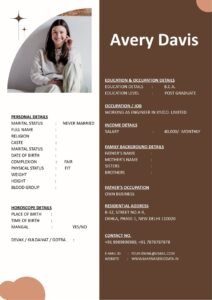
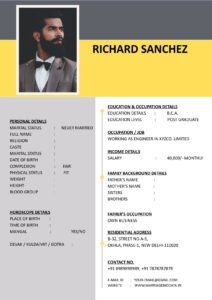
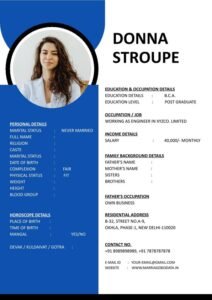
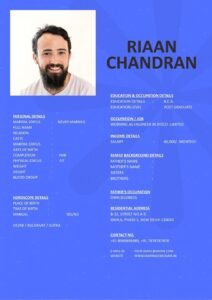
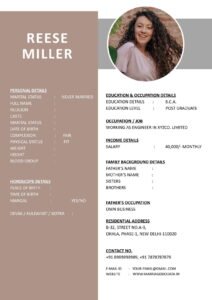
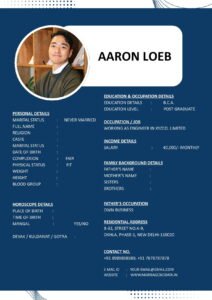
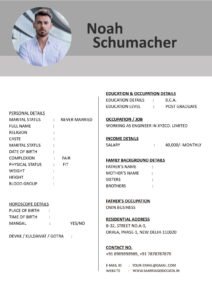
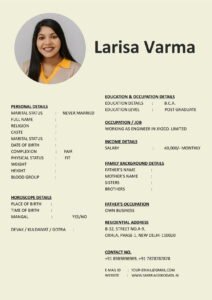
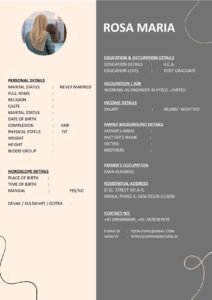
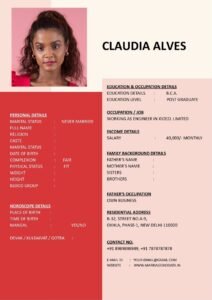
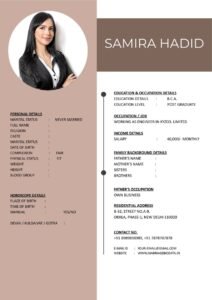
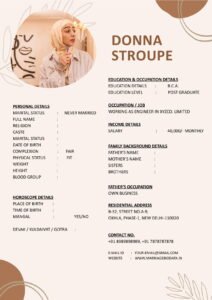
Step 9: Choose a Clean Biodata Template
Presentation matters.
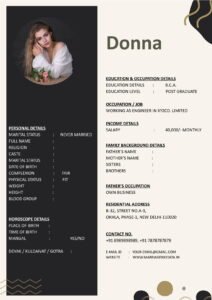
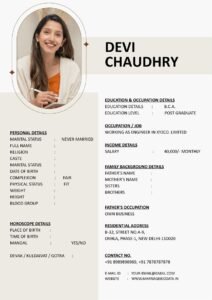
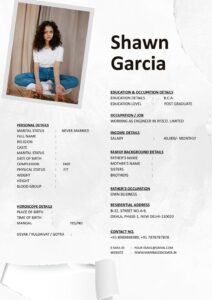
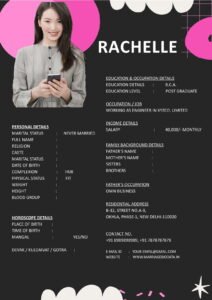
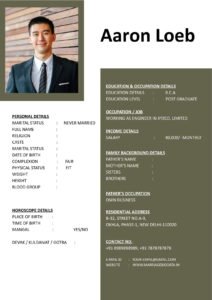
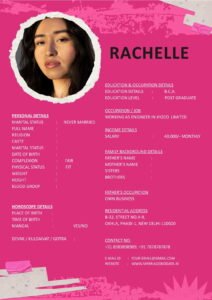
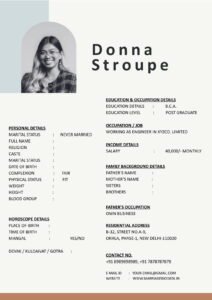
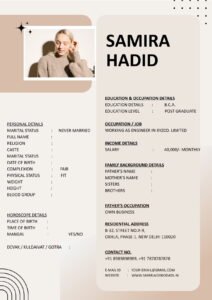
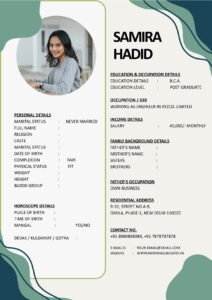
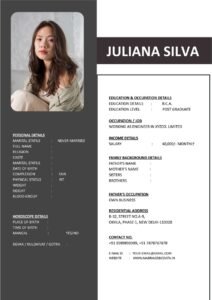
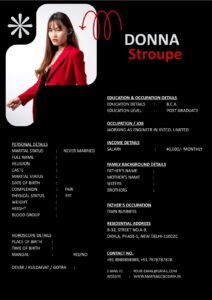
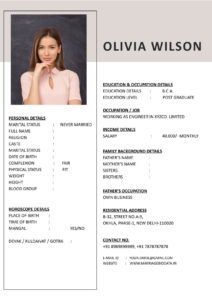
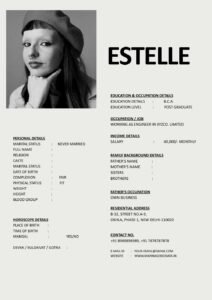
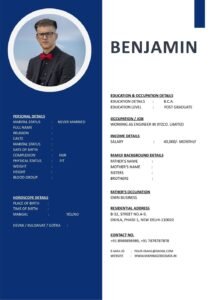
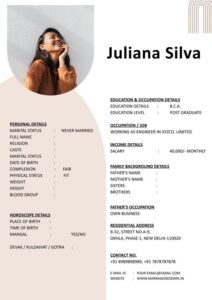
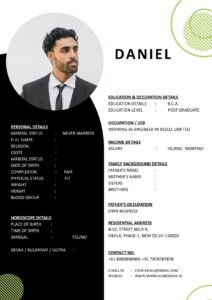
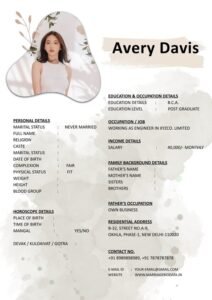
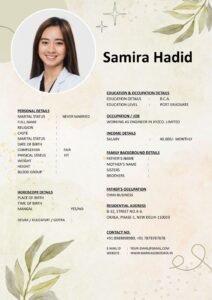
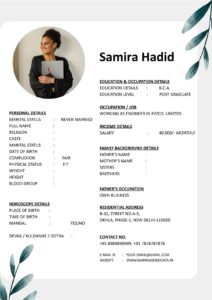
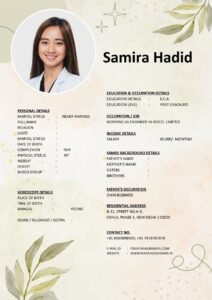
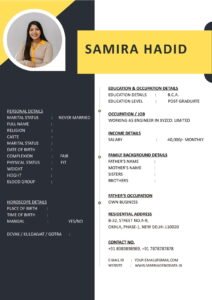
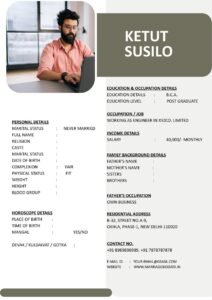
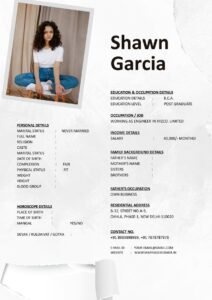
A structured biodata template improves readability and professionalism. You can explore modern and simple templates at https://marriagebiodata.in/ and customize one that suits your profile.
Clean formatting reflects clarity of thought.
Real-Life Example
Karan, a senior developer working in Bangalore, initially created his matrimonial biodata like a LinkedIn profile. It included technical skills, certifications, and project descriptions.
Families found it impressive but slightly overwhelming.
He revised his marriage biodata by:
- Adding a short personal introduction
- Summarizing career details
- Removing excessive technical information
- Including hobbies and family values
The response improved significantly because his profile felt professional yet approachable.
Common Mistakes IT Professionals Make
- Turning biodata into a technical resume
- Listing programming languages unnecessarily
- Overemphasizing salary
- Ignoring family details
- Using overly corporate language
- Making unrealistic partner demands
Remember, marriage is about compatibility, not technical expertise.
Pro Tips for Tech Professionals
1. Keep It Within 1–2 Pages
Concise documents create better impact.
2. Use Bullet Points for Clarity
Easy-to-read sections improve quick understanding.
3. Maintain Professional Yet Warm Tone
Confidence is good, but humility builds trust.
4. Be Honest About Work Schedule
If your job involves travel or long hours, mention it briefly.
5. Update Regularly
Promotion, job change, or relocation? Update your biodata for marriage immediately.
6. Use a Structured Marriage Biodata Format
A clean layout shows organized thinking. If needed, download ready-made biodata templates from https://marriagebiodata.in/ and customize them easily.
Why Simplicity Works Best
IT professionals are often detail-oriented. But in matrimonial biodata, simplicity creates stronger connections.
A balanced marriage CV shows:
- Career stability
- Emotional maturity
- Family values
- Clear communication
When your biodata reflects both technical competence and personal warmth, it becomes relatable and impressive.
Conclusion
Creating a marriage biodata for IT professionals, engineers, and techies does not have to be complicated.
Present your career clearly but avoid technical overload. Add personality, values, and lifestyle details. Keep formatting clean and structured.
Your marriage biodata format should represent who you are — ambitious, grounded, and ready for partnership.
Marriage is not a job interview. It is about compatibility, understanding, and shared growth.
Create your biodata thoughtfully, and let it reflect the real you.
Frequently Asked Questions (FAQs)
1. Should I mention technical skills in my marriage biodata?
No need to list detailed technical skills. Mention your job title and industry clearly.
2. How long should a biodata for marriage be?
Ideally 1–2 pages with clear headings and structured sections.
3. Is salary important to mention?
Yes, you can mention approximate annual income honestly.
4. Should I include relocation plans?
Yes, transparency about relocation or overseas plans avoids confusion later.
5. Where can I find professional biodata templates?
You can download clean and easy-to-edit biodata templates from https://marriagebiodata.in/.