Marriage is built on honesty, trust, and mutual understanding. Yet, when it comes to health conditions or disabilities, many people feel confused about what to share and how to share it.
Should you mention it directly in your biodata? Should you wait for later conversations? How do you explain it without feeling uncomfortable or judged?
If these questions are on your mind, this detailed guide on How to Mention Health Conditions or Disabilities in Marriage Biodata Respectfully will help you approach the topic with clarity, dignity, and confidence.
What Is a Marriage Biodata?
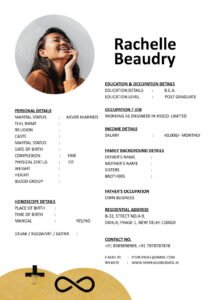
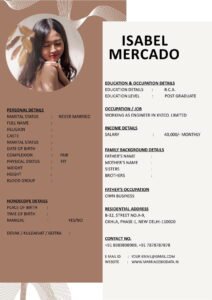
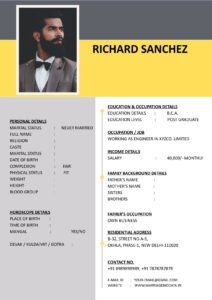
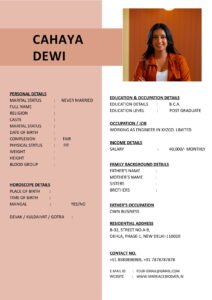
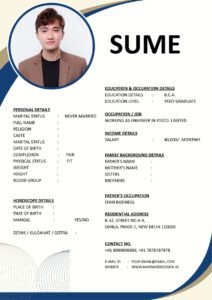
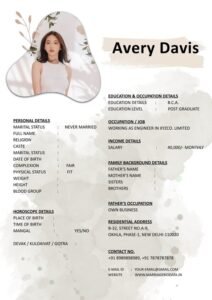
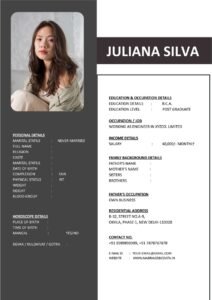
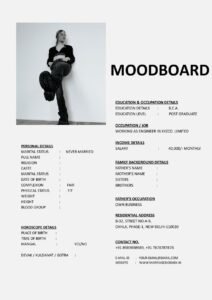
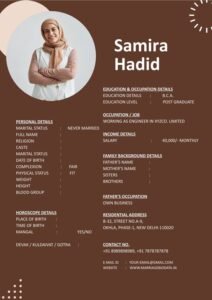
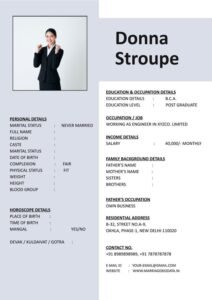
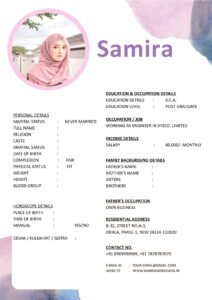
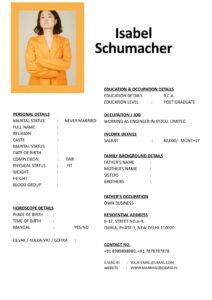
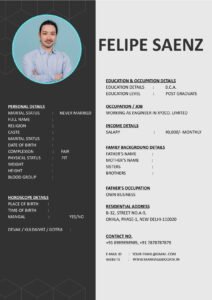
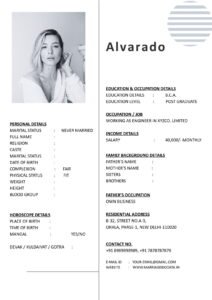
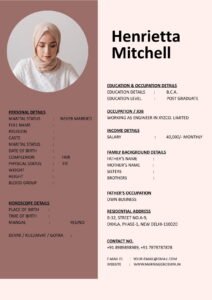
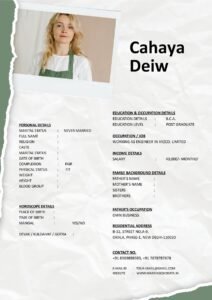
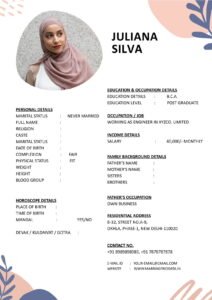
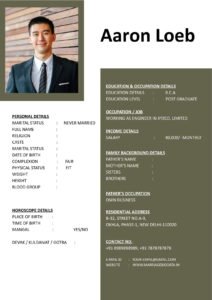
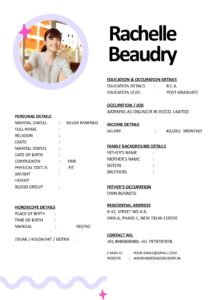
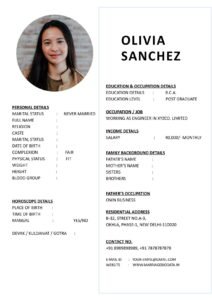
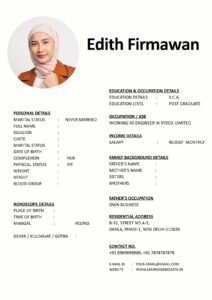
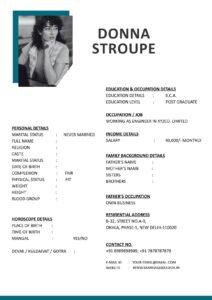
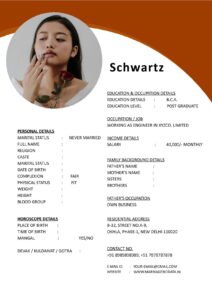
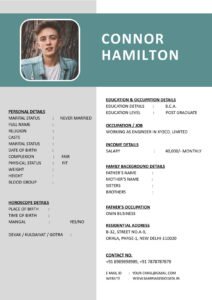
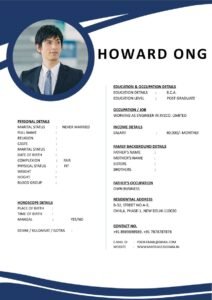
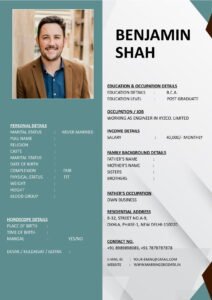
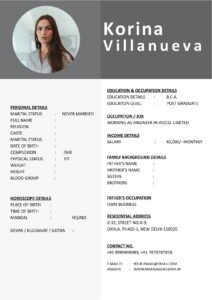
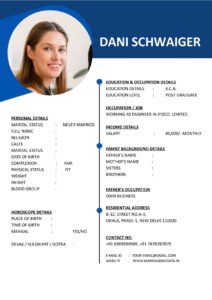
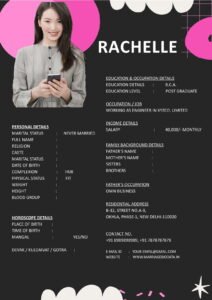
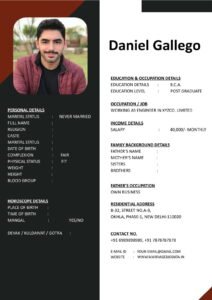
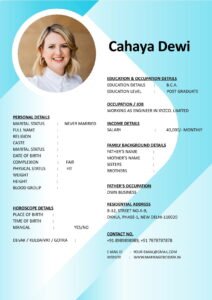
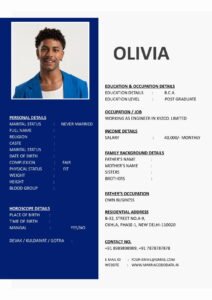
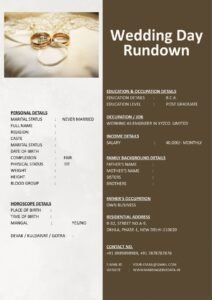
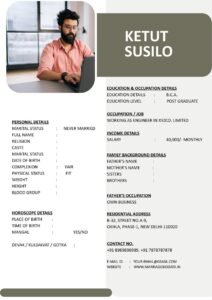
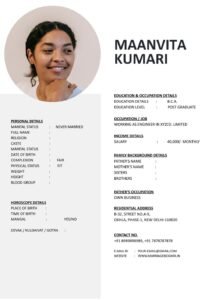
A marriage biodata is a structured document shared for matrimonial purposes. It introduces your personal details, education, profession, family background, lifestyle, and partner expectations.
You can think of it as a marriage CV, but for life partnership instead of employment. A well-prepared matrimonial biodata reflects transparency and responsibility.
Health information, if shared thoughtfully, can strengthen trust rather than weaken it.

Why Transparency About Health Matters
Marriage is a long-term commitment. Physical and emotional well-being are part of that journey.
Being honest about health conditions:
- Builds trust from the beginning
- Avoids misunderstandings later
- Shows maturity and confidence
- Helps in making informed decisions
However, the way you present it matters more than the condition itself.
Should You Mention Health Conditions in Biodata?
There is no one-size-fits-all answer. It depends on:
- The nature of the condition
- Whether it impacts daily life
- Cultural expectations
- Your comfort level
Minor health issues that do not affect lifestyle usually do not need to be mentioned in the marriage biodata format.
Chronic conditions or visible disabilities that are part of your daily life may be better mentioned briefly and respectfully.
Step-by-Step Guide: How to Mention Health Conditions or Disabilities in Marriage Biodata Respectfully
Step 1: Keep It Simple and Direct
Avoid long explanations in the biodata itself.
Example:
“I have a mild hearing impairment and use hearing assistance devices. I lead an independent and active lifestyle.”
This communicates clarity without drama.
Step 2: Focus on Strength and Stability
Instead of highlighting limitations, highlight independence.
Example:
“Managing a well-controlled medical condition and maintaining a healthy lifestyle.”
Confidence reduces unnecessary concern.
Step 3: Avoid Over-Detailing Medical History
Your biodata for marriage is not a medical report.
Keep medical specifics for personal discussions after mutual interest.
Step 4: Place It Appropriately
You can include health information under a simple heading like:
- Health Details: Good general health
- Health Details: Managing a controlled condition
A structured marriage biodata format helps maintain balance.
Step 5: Choose a Clean Biodata Template
Presentation matters. A clean biodata template ensures the information looks organized and not highlighted unnecessarily.
If you need structured formats, you can explore simple and professional templates at https://marriagebiodata.in/.
Step 6: Be Prepared for Honest Conversations
Mentioning it briefly in the matrimonial biodata opens the door for transparent communication later.
Answer questions calmly and confidently.
Real-Life Example
Arjun had Type 1 diabetes, well-managed with regular medication and lifestyle discipline. Initially, he chose not to mention it in his marriage CV, thinking it might reduce responses.
Later, when families found out during deeper discussions, some felt disappointed about late disclosure.
He revised his biodata for marriage by adding:
“Managing Type 1 diabetes responsibly with a healthy and active lifestyle.”
This honest approach led to more meaningful and respectful conversations.
Common Mistakes to Avoid
- Hiding major health conditions
- Over-explaining medical details in biodata
- Using negative or apologetic tone
- Highlighting the condition more than personality
- Allowing family members to exaggerate the issue
Respectful clarity works better than fear-based silence.
Pro Tips for Handling Health Information
1. Be Honest but Balanced
Share relevant information without making it the center of your profile.
2. Maintain Positive Language
Use phrases like “well-managed,” “independent,” and “healthy lifestyle.”
3. Focus on Your Overall Profile
Your education, career, values, and personality are equally important.
4. Use a Structured Marriage Biodata Format
A neat layout keeps all sections balanced. You can download clean biodata templates from https://marriagebiodata.in/ to present your details clearly.
5. Discuss Sensitive Details Privately
After mutual interest is established, deeper discussions can happen comfortably.
6. Stay Confident
Confidence in yourself reflects maturity.
Why Respectful Honesty Builds Strong Foundations
Marriage is not about perfection. It is about partnership and support.
When you approach health disclosures respectfully, your matrimonial biodata shows:
- Integrity
- Emotional maturity
- Self-awareness
- Trustworthiness
These qualities are far more important than any medical condition.
Conclusion
Understanding how to mention health conditions or disabilities in marriage biodata respectfully is about balance and dignity.
Be honest. Keep it brief. Use positive language. Avoid unnecessary detail.
Your marriage biodata format should reflect your complete personality — strengths, values, career, and lifestyle — not just one aspect of your life.
Transparency builds trust. And trust builds strong marriages.
Create your biodata thoughtfully and confidently. Let it represent you fully — with honesty and self-respect.
Frequently Asked Questions (FAQs)
1. Is it mandatory to mention health conditions in marriage biodata?
No, but major or long-term conditions should be disclosed honestly at an appropriate stage.
2. How detailed should I be about medical conditions?
Keep it brief in the biodata and discuss specifics during personal conversations.
3. Should I mention minor health issues?
Minor conditions that do not affect daily life usually do not need to be mentioned.
4. Where should I place health information in biodata?
You can include it under a small “Health Details” section within a structured format.
5. Where can I find clean biodata templates?
You can download simple and structured biodata templates from https://marriagebiodata.in/.