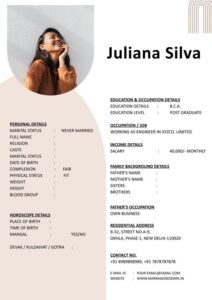
Writing a marriage biodata for the first time can feel confusing. You may wonder what to include, how to start, and what language to use. Many people think they need very formal or complicated English. The truth is — you don’t.
If you are a beginner, this guide on How to Write a Marriage Biodata in Simple English (Step-by-Step for Beginners) will help you create a clear, neat, and impressive profile without stress.
Simple English works best because it is easy to understand for everyone — parents, relatives, and potential partners.
What Is a Marriage Biodata?
A marriage biodata is a document that introduces you for matrimonial purposes. It includes your personal details, education, profession, family background, lifestyle, and partner expectations.
You can think of it as a marriage CV, but instead of applying for a job, you are presenting yourself for marriage.
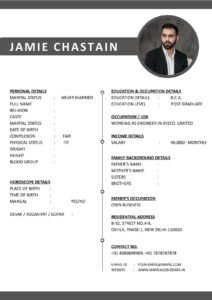
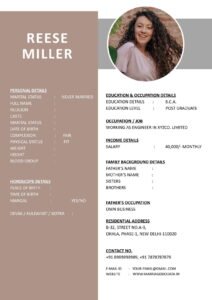
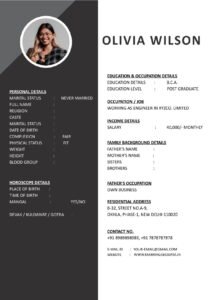
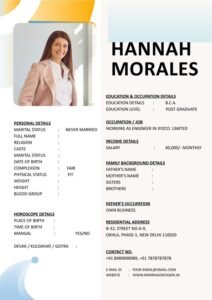
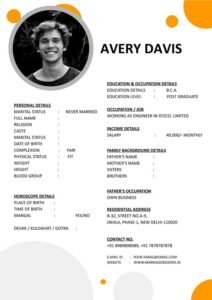
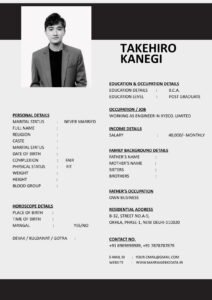
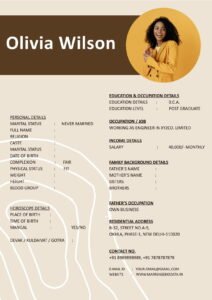
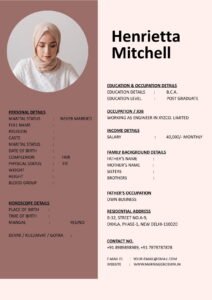
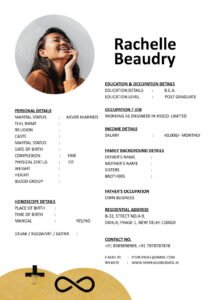
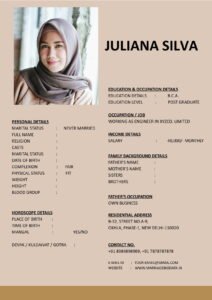
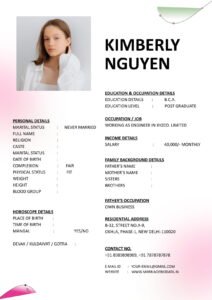
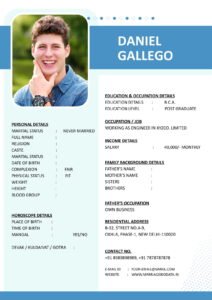
A well-written matrimonial biodata should be clear, honest, and respectful.
Why Writing in Simple English Is Important
Many beginners make the mistake of using very heavy words. That can make the biodata sound unnatural.
Simple English helps because:
- It is easy to read
- It avoids confusion
- It sounds genuine
- It feels more personal
Your biodata for marriage should reflect your personality, not your vocabulary skills.
Step-by-Step Guide: How to Write a Marriage Biodata in Simple English
Step 1: Start With Basic Personal Details
Write clear and simple information such as:
- Full Name
- Date of Birth
- Age
- Height
- Religion / Community (if relevant)
- Current City
Keep this section short and clean.
Step 2: Add Education Details
Write your highest qualification clearly.
Example:
Bachelor of Commerce from Delhi University
Avoid long explanations about your college life.
Step 3: Mention Your Profession
Be specific about your job.
Instead of writing “Private Job,” write:
Working as a Software Engineer in Bangalore
This makes your marriage biodata format more professional.
Step 4: Write About Your Family
This section is important in many families.
You can mention:
- Father’s occupation
- Mother’s occupation
- Number of siblings
- Family values
Keep it simple and respectful.
Step 5: Add a Short Personal Introduction
This is where many beginners feel stuck.
Here is a simple example:
I am a calm and responsible person who values honesty and family relationships. I enjoy reading, traveling, and spending time with loved ones.
Just 3–4 lines are enough.
Step 6: Write Partner Expectations Clearly
Keep expectations realistic and positive.
Example:
Looking for a caring, understanding, and family-oriented partner who believes in mutual respect.
Avoid long lists of strict conditions.
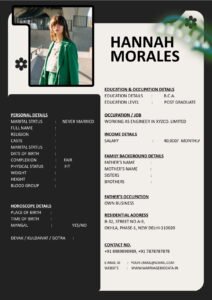
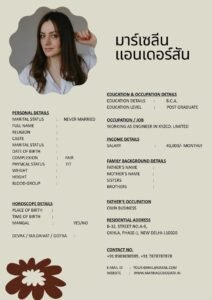
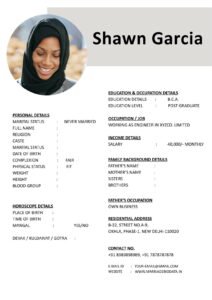
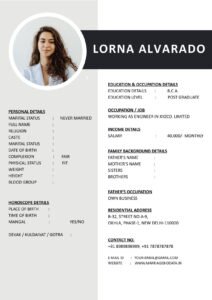
Step 7: Keep the Marriage Biodata Format Clean
Use:
- Clear headings
- Proper spacing
- Simple fonts
- 1–2 pages maximum
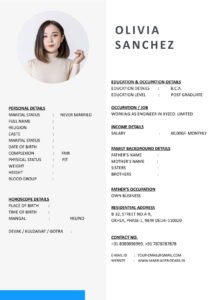
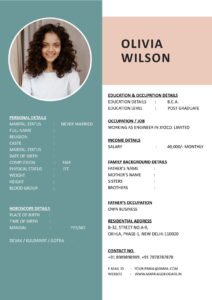
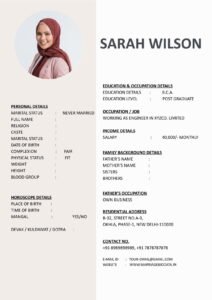
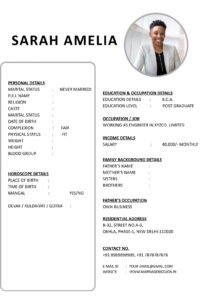
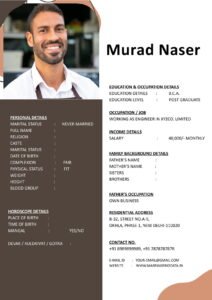
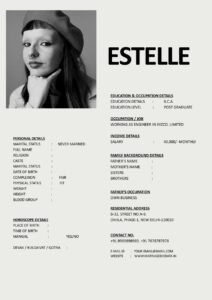
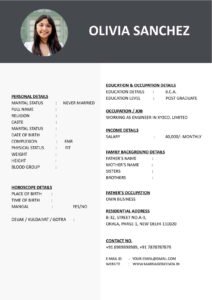
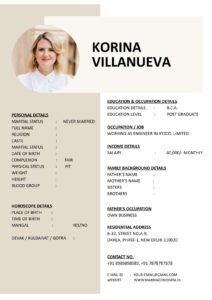
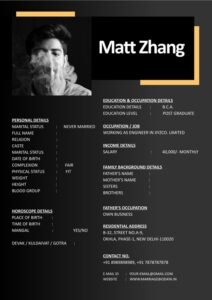
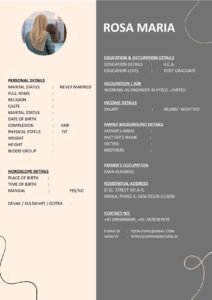
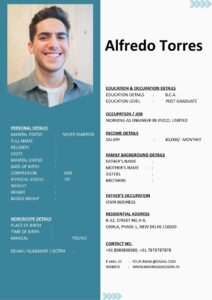
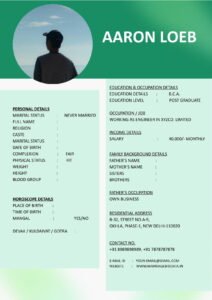
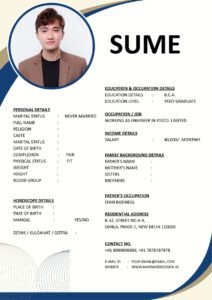
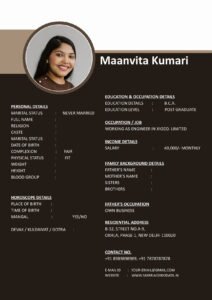
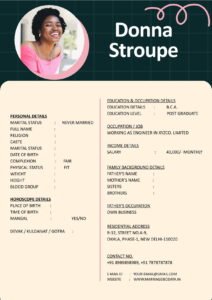
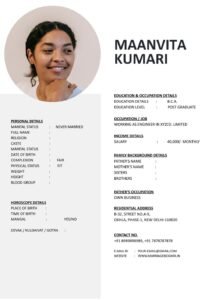
If you are unsure about formatting, you can download ready-made biodata template options from https://marriagebiodata.in/ and simply fill in your details.
Real-Life Example
Neeraj was writing his biodata for the first time. He tried to use very formal English, and his introduction sounded copied and artificial.
Later, he rewrote it in simple English:
I am a hardworking and family-oriented person working in the banking sector. I believe in honesty and open communication.
The second version sounded natural and confident.
Simple language made his matrimonial biodata more relatable.
Common Mistakes Beginners Should Avoid
- Using very difficult English words
- Writing long paragraphs
- Copying someone else’s introduction
- Exaggerating income or achievements
- Adding too many decorative designs
Remember, clarity is more important than complexity.
Pro Tips for Writing in Simple English
1. Use Short Sentences
Short sentences are easier to understand.
2. Avoid Slang
Keep language respectful and formal.
3. Read It Aloud
If it sounds natural when you read it, it is good.
4. Keep It Honest
Do not try to impress by adding fake details.
5. Use a Structured Biodata Template
A clean marriage biodata format helps beginners avoid mistakes. You can explore simple templates at https://marriagebiodata.in/ to make the process easier.
How Long Should It Be?
Your marriage CV should ideally be:
- 1 page (preferred)
- Maximum 2 pages
Too long can feel overwhelming.
Why Simple English Creates a Strong Impression
Families appreciate clarity.
When your biodata is easy to read, it shows:
- Confidence
- Maturity
- Honesty
- Good communication skills
Simple language does not mean basic personality. It means clear thinking.
Conclusion
Learning how to write a marriage biodata in simple English (step-by-step for beginners) is easier than you think.
Start with basic details. Add education and career. Write a short personal introduction. Keep partner expectations realistic. Use clear and natural language.
Your marriage biodata format should reflect who you truly are — without complicated words.
Simple English builds trust. And trust is the foundation of every strong marriage.
Frequently Asked Questions (FAQs)
1. Can I write my marriage biodata in very simple English?
Yes, simple and clear English is always better than complicated language.
2. How long should the introduction be?
3–5 lines are enough for a personal introduction.
3. Is it okay to use a biodata template?
Yes, using a structured biodata template makes writing easier and more professional.
4. Should I write long paragraphs?
No, short sentences and bullet points are better.
5. Where can beginners find ready-made biodata templates?
You can download easy and customizable templates from https://marriagebiodata.in/.