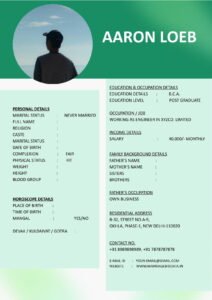
Turning 30 or crossing it often brings a new perspective toward marriage. You are more mature, more settled, and clearer about what you want in life. But when it comes to creating or updating your marriage biodata, you might wonder — should anything be different now?
The answer is yes, but not in a negative way. In fact, your profile can become stronger and more refined.
This detailed guide on Marriage Biodata for Late Marriage (30+ Age): What to Change in Your Profile will help you understand how to present yourself confidently and thoughtfully at this stage of life.
What Is a Marriage Biodata?
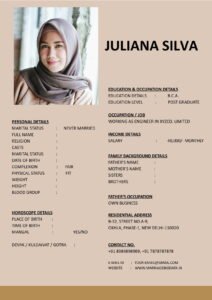
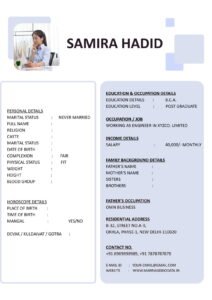
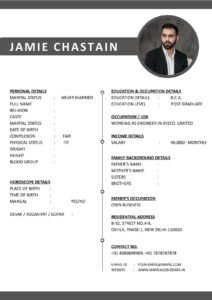
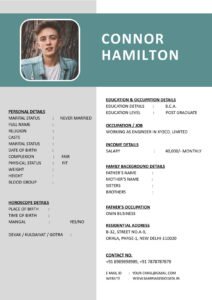
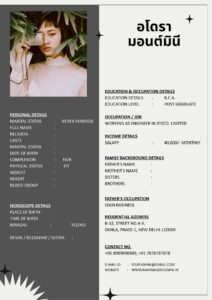
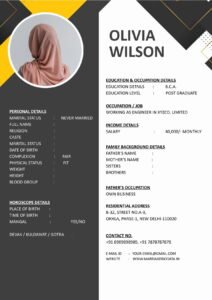
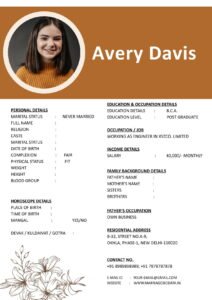
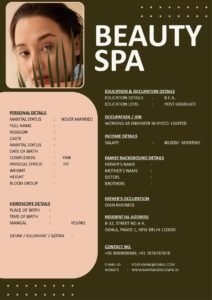
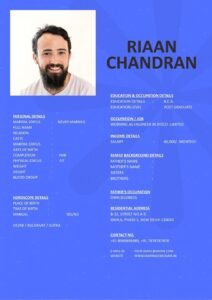
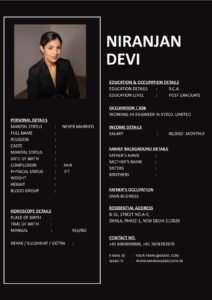
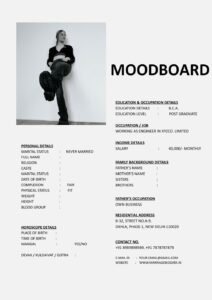
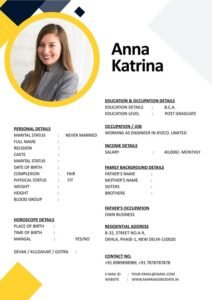
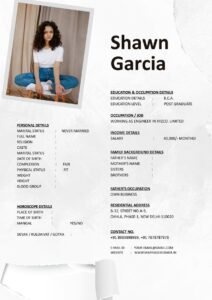
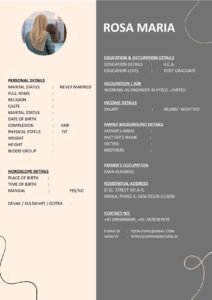
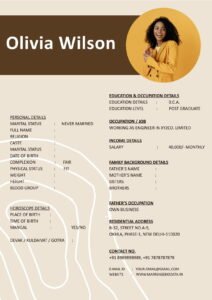
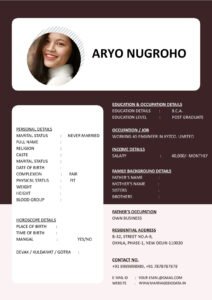
A marriage biodata is a structured document shared for matrimonial purposes. It includes personal details, education, profession, family background, lifestyle, and partner expectations.
You can think of it as a marriage CV designed for life partnership instead of employment. A well-crafted matrimonial biodata introduces you clearly and respectfully to potential partners and families.
When you are 30+, your biodata should reflect maturity, stability, and clarity.
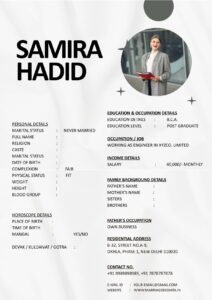
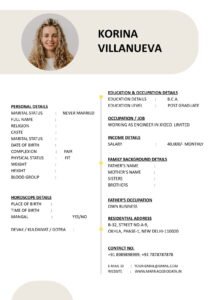
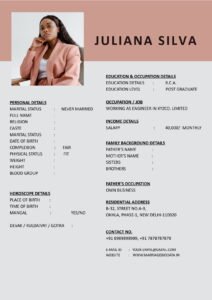
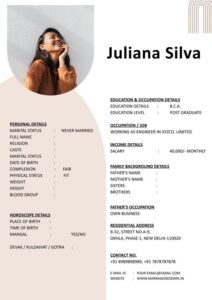
Why Marriage Biodata After 30 Needs a Slight Change
After 30, life experiences shape your personality and priorities. Your career may be stable. Your values may be clearer. You may have stronger expectations.
That’s why your marriage biodata format should:
- Highlight stability
- Reflect emotional maturity
- Show clarity about life goals
- Maintain realistic expectations
This stage is not about rushing. It is about thoughtful presentation.
Step-by-Step Guide: What to Change in Your Profile After 30
Step 1: Update Your Introduction With Maturity
Instead of writing a generic line like:
“I am simple and fun-loving.”
Write something more mature and grounded:
“I am a responsible and family-oriented individual who values stability, respect, and long-term commitment.”
Clarity builds confidence.
Step 2: Highlight Career Stability
At 30+, career becomes a strong point. Mention:
- Years of experience
- Current role
- Career growth
- Work-life balance
Keep it concise within your marriage biodata format.
Step 3: Reflect Emotional Maturity
You can mention qualities like:
- Clear communication
- Balanced mindset
- Respect for individuality
- Value for partnership
This adds depth to your biodata for marriage.
Step 4: Adjust Partner Expectations
After 30, expectations often become more practical.
Avoid long lists. Keep it realistic:
- Emotionally mature and understanding
- Career-oriented yet family-focused
- Clear about life goals
Maturity attracts maturity.
Step 5: Keep Layout Clean and Professional
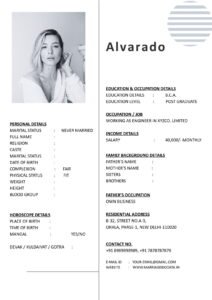
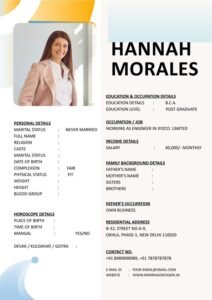
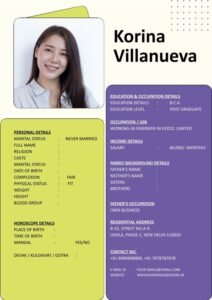
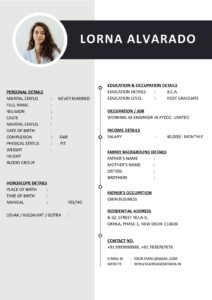
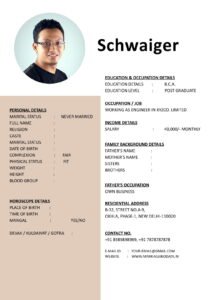
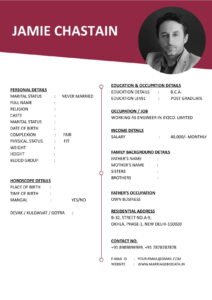
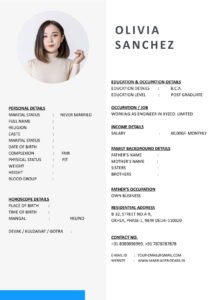
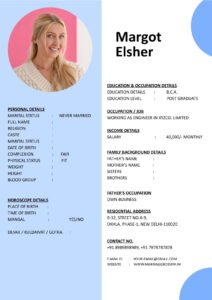
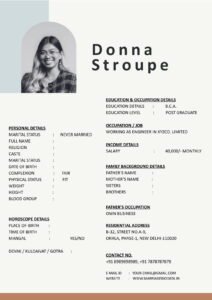
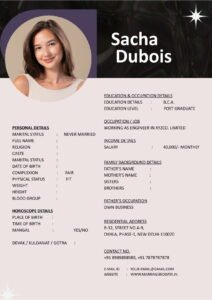
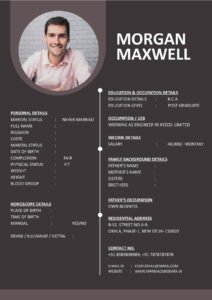
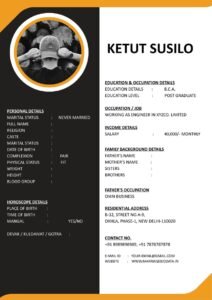
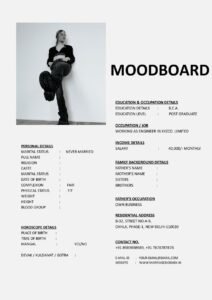
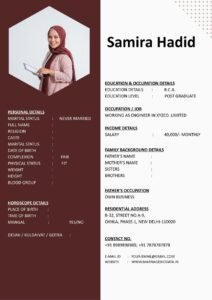
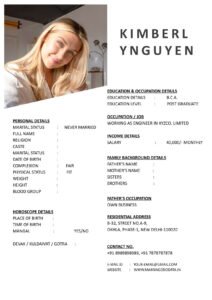
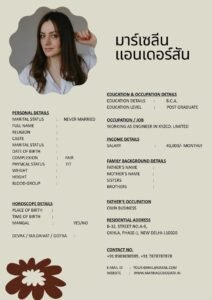
A clean and structured biodata template is essential.
If you want a refined layout, you can explore professional biodata templates at https://marriagebiodata.in/ and customize one that suits your profile.
Presentation matters more at this stage.
Step 6: Address Previous Marriage (If Applicable)
If you are divorced or widowed, mention it briefly and respectfully.
Example:
“Previously married, legally divorced. No children.”
Keep it factual without emotional details.
Step 7: Emphasize Life Goals
At 30+, clarity about future plans is important.
- Location preferences
- Family planning expectations
- Career priorities
This helps avoid confusion later.
Real-Life Example
Sneha, 32, initially used the same matrimonial biodata she created at 25. It sounded youthful but lacked maturity.
She updated her marriage biodata by:
- Rewriting her introduction
- Highlighting career achievements
- Adding clarity about future plans
- Keeping expectations realistic
The revised profile felt grounded and confident. Responses improved significantly.
Common Mistakes to Avoid
- Using outdated biodata created years ago
- Over-explaining reasons for late marriage
- Adding defensive tone about age
- Keeping unrealistic expectations
- Writing overly long personal stories
Your age is not a weakness. It is experience.
Pro Tips for Marriage Biodata After 30
1. Keep It Within 1–2 Pages
Concise and clear always works best.
2. Maintain Balanced Tone
Confident but not defensive.
3. Be Honest About Priorities
Clarity reduces misunderstandings.
4. Highlight Stability
Career and emotional maturity are strengths.
5. Update Photo Professionally
Choose a recent and natural photograph.
6. Use a Structured Marriage Biodata Format
A well-designed biodata template improves readability and professionalism. You can download clean formats from https://marriagebiodata.in/.
Why Late Marriage Can Be an Advantage
Marriage after 30 often means:
- Clearer priorities
- Financial stability
- Emotional intelligence
- Better communication skills
Your matrimonial biodata should reflect these strengths.
Instead of worrying about age, focus on presenting your growth.
Conclusion
Marriage biodata for late marriage (30+ age) is not about making excuses. It is about showcasing maturity, clarity, and stability.
Update your introduction. Highlight career growth. Adjust expectations. Keep formatting clean and structured.
Your marriage CV should represent the person you are today — experienced, thoughtful, and ready for a meaningful partnership.
Confidence in your journey will naturally reflect in your biodata.
Frequently Asked Questions (FAQs)
1. Should I explain why I am unmarried after 30?
No need to explain in biodata. It can be discussed during personal conversations if required.
2. Is marriage after 30 considered late?
Not at all. Many people marry in their 30s due to career or personal priorities.
3. How long should my matrimonial biodata be?
Ideally 1–2 pages with clear and structured sections.
4. Should I change my biodata if I created it years ago?
Yes, update it to reflect your current maturity and career stability.
5. Where can I find updated biodata templates?
You can explore modern and professional biodata templates at https://marriagebiodata.in/.