Today, many people speak in a mix of Hindi and English in daily life. We call it Hinglish. From WhatsApp chats to office conversations, Hinglish feels natural and comfortable.
But when it comes to something serious like a marriage biodata, many people get confused. Is it okay to write it in Hinglish? Will it look unprofessional? Or can it actually make your profile more relatable?
This detailed guide on Marriage Biodata in Hinglish: Is It Okay and When to Use It? will help you decide wisely.
What Is a Marriage Biodata?
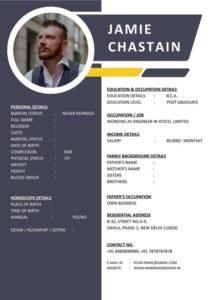
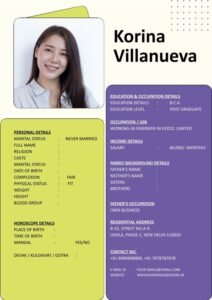
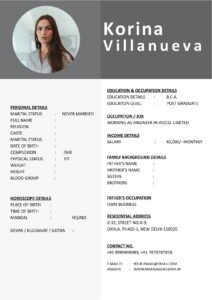
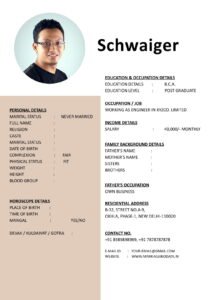
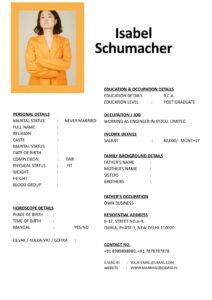
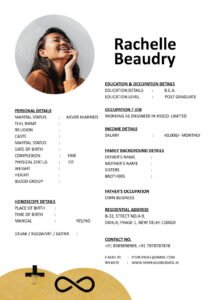
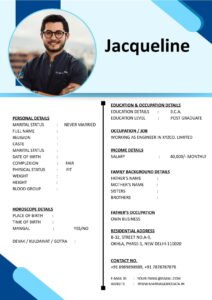
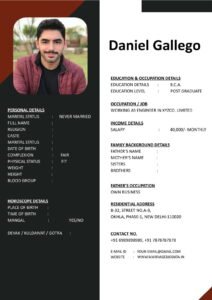
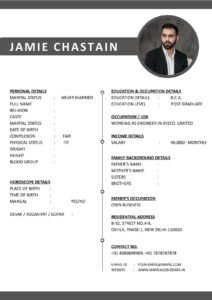
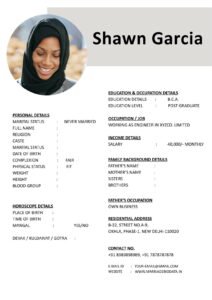
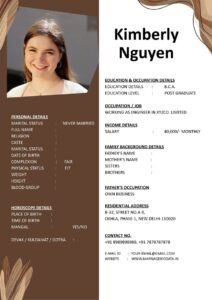
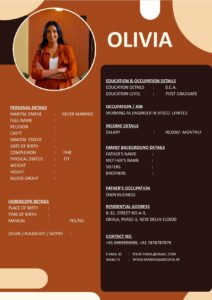
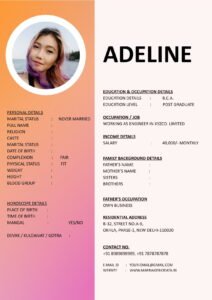
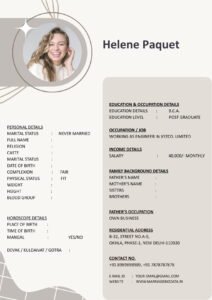
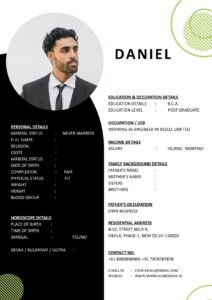
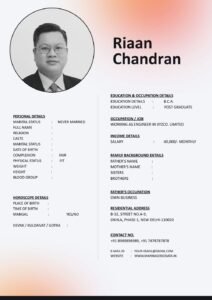
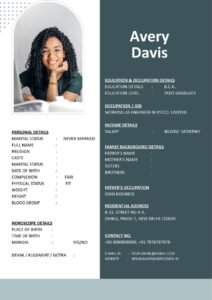
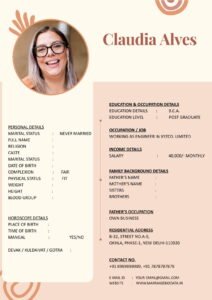
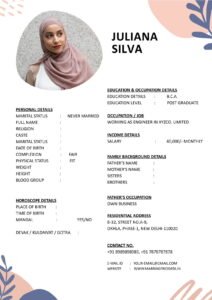
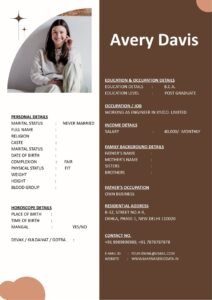
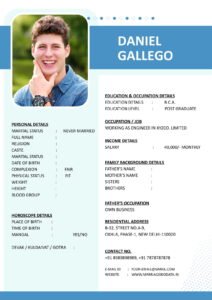
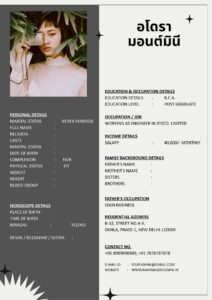
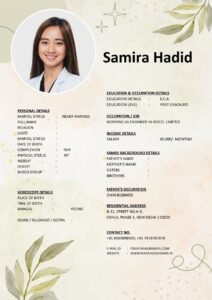
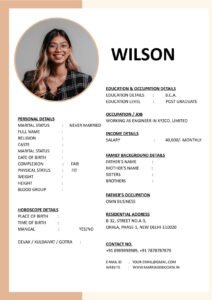
A marriage biodata is a formal document prepared for matrimonial purposes. It includes your personal details, education, profession, family background, lifestyle, and partner expectations.
You can think of it as a marriage CV — but for life partnership instead of a job.
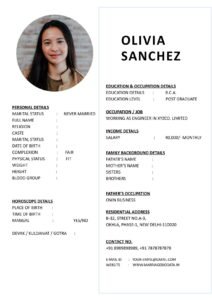
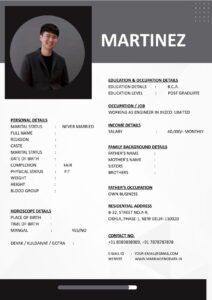
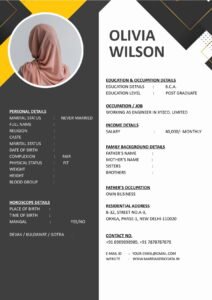
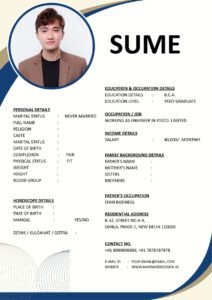
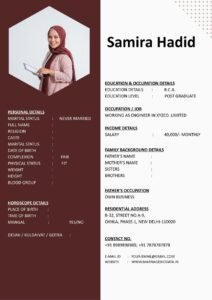
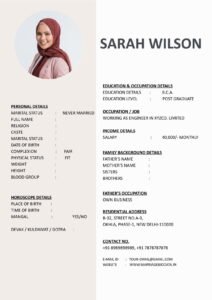
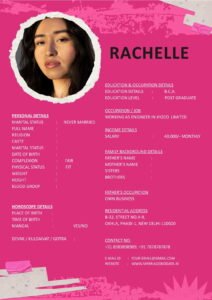
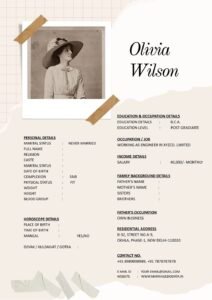
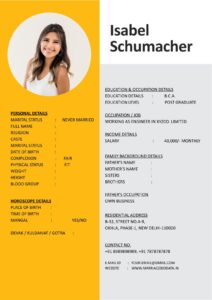
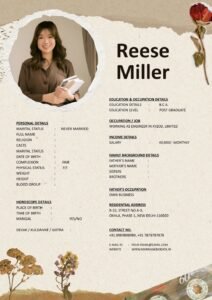
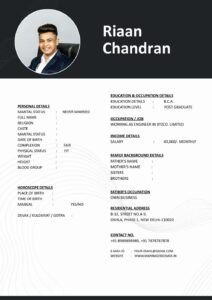
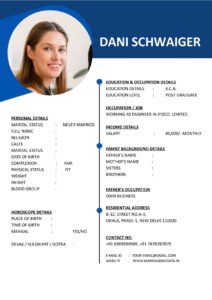
A well-structured matrimonial biodata creates clarity and helps families understand who you are within a few minutes.
Why Language Choice Matters
The language you choose reflects:
- Your personality
- Your communication style
- Your cultural comfort
- Your level of formality
So before writing your biodata for marriage, it is important to understand whether Hinglish fits your situation.
Is It Okay to Write Marriage Biodata in Hinglish?
The short answer: Yes, but it depends on the audience.
Hinglish can work well in certain cases, especially when:
- The families are modern and comfortable with mixed language
- You are sharing the profile digitally
- The proposal is between younger individuals directly
However, for very traditional families, pure English or Hindi may be safer.
When Should You Use Hinglish in Marriage Biodata?
1. For Modern Urban Families
In cities like Delhi, Mumbai, Bangalore, and Hyderabad, Hinglish is common in everyday communication.
A slightly casual tone can feel natural.
2. When Sharing via WhatsApp or Email
If you are sharing your marriage CV informally before sending a formal biodata template, Hinglish can be acceptable.
3. When You Want to Sound Relatable
Sometimes a simple line like:
I believe in family values aur mutual respect.
Can feel warm and natural.
But balance is important.
When You Should Avoid Hinglish
- If the family is highly traditional
- If biodata is being printed formally
- If elders are reviewing the profile first
- If community expectations are strict
In such cases, stick to clear English or Hindi.
Step-by-Step Guide: How to Use Hinglish Smartly (If You Choose To)
Step 1: Keep the Structure Formal
Even if you use Hinglish in the introduction, your marriage biodata format should remain structured.
Include proper headings like:
- Personal Details
- Education
- Profession
- Family Background
- Partner Expectations
Step 2: Use Hinglish Only in the Introduction
Keep professional sections like education and career in clear English.
Example:
I am a responsible and family-oriented person jo honesty aur trust ko importance deta hoon.
But write job details clearly:
Working as a Senior Analyst in a private firm in Gurgaon.
Step 3: Avoid Slang
Hinglish does not mean casual slang.
Avoid words that feel too informal or childish.
Step 4: Keep It Short
Do not mix languages in every sentence. Use it lightly.
Step 5: Choose the Right Biodata Template
If you plan to share a formal document later, use a clean and professional biodata template from https://marriagebiodata.in/ and keep language consistent.
Real-Life Example
Priya created two versions of her matrimonial biodata.
Version 1: Completely formal English.
Version 2: Slightly warm Hinglish introduction.
When sharing with a modern working professional directly, she used the Hinglish version.
When sending to a traditional family through relatives, she used the formal version.
This smart customization helped her maintain balance.
Common Mistakes to Avoid
- Writing the entire biodata in casual Hinglish
- Using SMS-style abbreviations
- Mixing too many languages in one sentence
- Making it sound like a social media caption
- Ignoring elders’ preferences
Your biodata for marriage should always remain respectful.
Pro Tips for Choosing the Right Language
1. Know Your Audience
Always understand who will read it first.
2. Keep Professional Sections Formal
Education and career details should stay clear and structured.
3. Maintain Simplicity
Whether English or Hinglish, keep sentences simple.
4. Avoid Overdoing It
A little Hinglish can feel warm. Too much can feel unprofessional.
5. Use a Clean Marriage Biodata Format
A structured marriage biodata format keeps everything balanced. You can download simple and professional templates from https://marriagebiodata.in/.
Why Clarity Is More Important Than Language
At the end of the day, families look for:
- Honesty
- Compatibility
- Respect
- Clarity
The language should support these qualities — not distract from them.
Conclusion
So, is marriage biodata in Hinglish okay?
Yes, but only when used wisely.
If the audience is modern and comfortable, a light touch of Hinglish can make your profile feel natural and relatable. However, for traditional families, formal language is safer.
Your matrimonial biodata should always be structured, respectful, and easy to understand — no matter the language.
Choose what fits your situation, and stay authentic.
Frequently Asked Questions (FAQs)
1. Can I write my entire marriage biodata in Hinglish?
It is better to keep it mostly in English or Hindi and use Hinglish only lightly.
2. Is Hinglish considered unprofessional?
Not always. It depends on the family and context.
3. Should I prepare two versions of my biodata?
Yes, having a formal and slightly casual version can be helpful.
4. Is simple English better than Hinglish?
For most situations, simple English is safer and more universally accepted.
5. Where can I find a professional biodata template?
You can download clean and customizable biodata templates from https://marriagebiodata.in/.