When you are a doctor, Chartered Accountant, government employee, or working in any respected profession, your career already speaks for itself. However, when it comes to marriage, simply mentioning your designation is not enough.
Families want clarity. Prospective partners want personality. And you need a biodata that balances professionalism with warmth.
If you are searching for practical and realistic Marriage Biodata Tips for Doctors, CA, Government Employees and More, this detailed guide will help you present yourself confidently and correctly.
What Is a Marriage Biodata?
A marriage biodata is a formal document shared for matrimonial purposes. It introduces your personal details, education, career, family background, lifestyle, and partner expectations in a structured format.
You can think of it as a marriage CV, but instead of applying for a job, you are presenting yourself for lifelong partnership. A well-prepared matrimonial biodata reflects both your professional achievements and personal values.
For highly qualified professionals, the goal is balance — strong career presentation without sounding like a corporate resume.
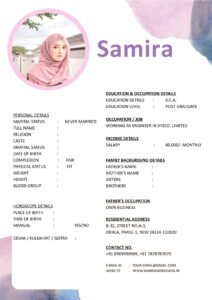
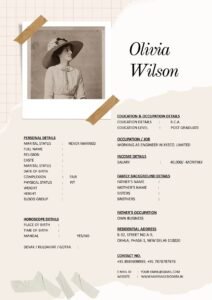
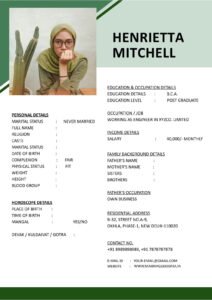
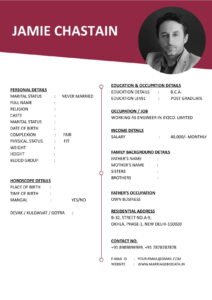
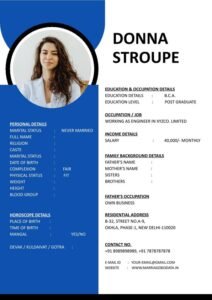
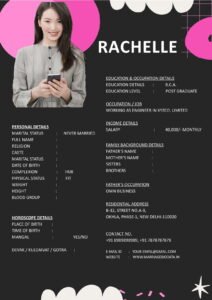
Why Professional Presentation Matters in Marriage Biodata
Doctors, CAs, and government employees are often seen as stable and respected professionals. Naturally, families pay special attention to:
- Job stability
- Work location
- Income range
- Future career plans
- Work-life balance
A clear and structured marriage biodata format answers these questions smoothly and builds trust instantly.
Step-by-Step Guide: Marriage Biodata Tips for Doctors, CA, Government Employees and More
Step 1: Start With a Clear Personal Introduction
Add a short and meaningful introduction of 3–5 lines.
Example:
“I am a practicing Chartered Accountant with 7 years of experience. I value integrity, family bonds, and maintaining a balanced lifestyle. I believe in mutual respect and long-term commitment.”
Keep it professional yet personal.
Step 2: Present Educational Qualifications Clearly
Education plays a major role in your profile. Mention:
- Degree (MBBS, MD, CA, MBA, etc.)
- Specialization (if applicable)
- University or Institute
Avoid listing every certificate unless it is highly relevant.
Step 3: Highlight Career Details Without Overloading
Keep career details structured and simple:
- Current Job Title
- Organization / Hospital / Department
- Years of Experience
- Work Location
- Approximate Annual Income
Do not turn your biodata into a detailed resume. Keep it concise.
Step 4: Mention Work Nature and Stability
For doctors and government employees, work schedule matters.
- Private practice / Government service
- Permanent position (if applicable)
- Transferable job (if applicable)
- Work-life balance details
This helps avoid future misunderstandings.
Step 5: Include Family Background Respectfully
No matter how successful you are professionally, family details remain important.
- Father’s Occupation
- Mother’s Occupation
- Siblings
- Family Type (Joint/Nuclear)
Keep it structured and polite.
Step 6: Add Lifestyle and Interests
This section adds personality beyond your profession.
- Hobbies (reading, travel, fitness)
- Community involvement
- Social or cultural interests
This makes your biodata for marriage feel warm and relatable.
Step 7: Write Realistic Partner Expectations
Keep expectations mature and reasonable.
- Well-educated and understanding
- Family-oriented with positive mindset
- Supportive of mutual career growth
Avoid rigid conditions.
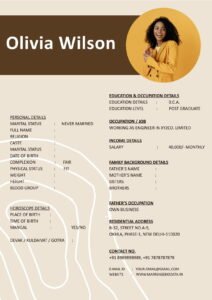
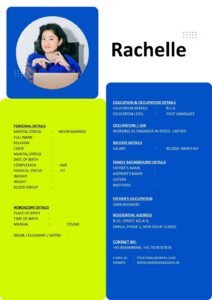
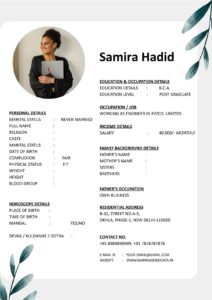
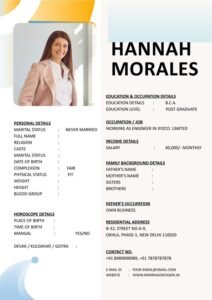
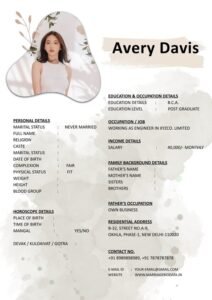
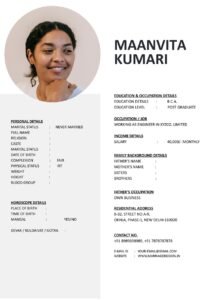
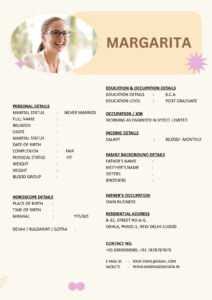
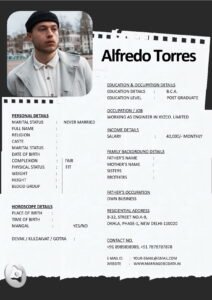
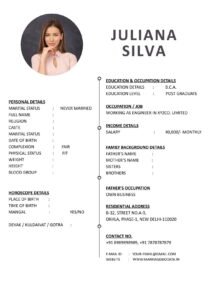
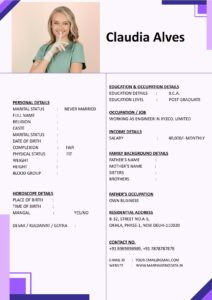
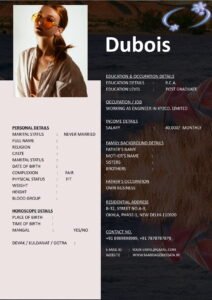
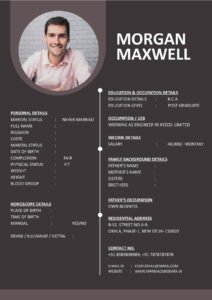
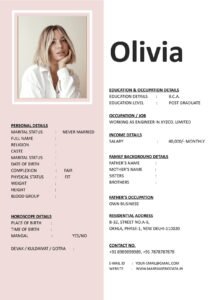
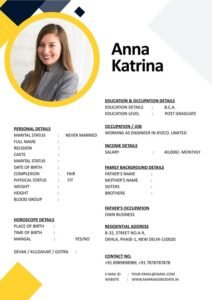
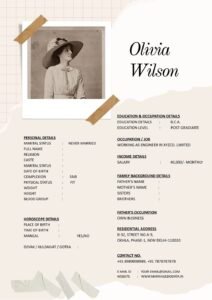
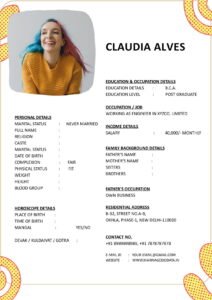
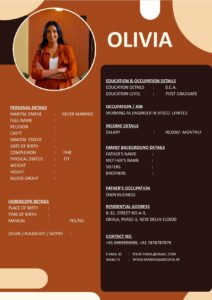
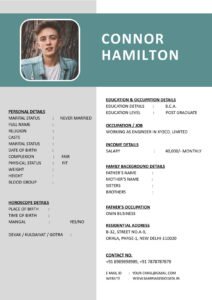
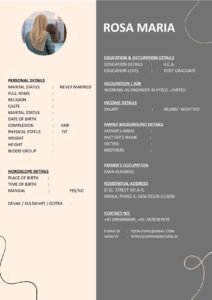
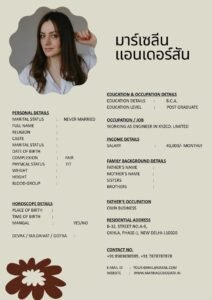
Step 8: Choose a Clean Biodata Template
Presentation plays a big role in creating impact.
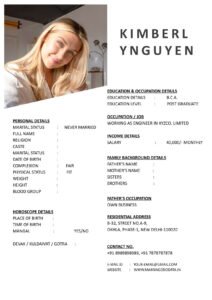
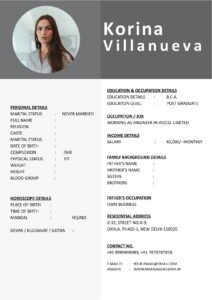
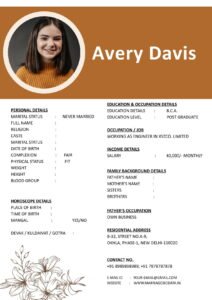
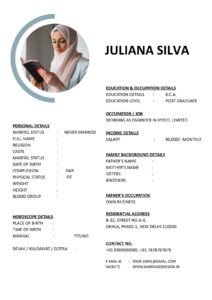
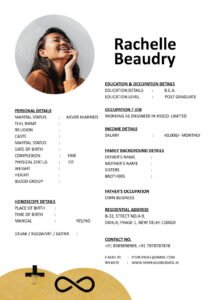
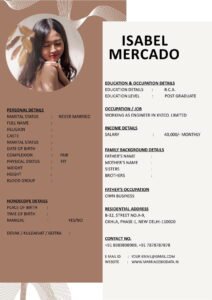
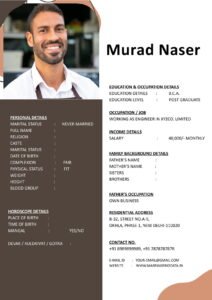
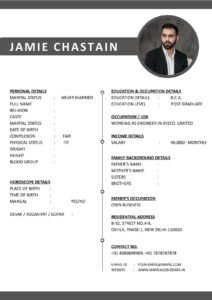
A clean and structured biodata template improves readability. You can explore professional and easy-to-edit templates at https://marriagebiodata.in/ and customize one that suits your profile.
Good formatting reflects clarity and maturity.
Real-Life Example
Dr. Meera, a government hospital physician, initially created her matrimonial biodata in paragraph format. It looked lengthy and slightly formal.
She then revised her marriage biodata format by:
- Adding a short personal introduction
- Converting paragraphs into bullet points
- Summarizing career details
- Including hobbies and lifestyle information
The updated version felt structured and approachable. The response improved significantly.
Common Mistakes to Avoid
- Making biodata look like a detailed resume
- Overemphasizing income and status
- Ignoring personal values and hobbies
- Using overly technical or legal language
- Writing long, unstructured paragraphs
- Adding unnecessary achievements
Remember, marriage is about compatibility, not a professional competition.
Pro Tips for a Strong Marriage Biodata
1. Keep It Within 1–2 Pages
Concise documents create stronger impact.
2. Use Clear Headings
Headings make your matrimonial biodata easy to scan.
3. Maintain Balanced Tone
Professional but humble. Confident but respectful.
4. Mention Transferable Jobs Clearly
Government employees should clarify transfer policies if relevant.
5. Update Information Regularly
Promotion or job change? Update your biodata for marriage immediately.
6. Use a Structured Marriage Biodata Format
If formatting feels confusing, download ready-made biodata templates from https://marriagebiodata.in/ and customize easily.
Why Simplicity Builds Trust
For respected professions like doctors, CAs, and government officers, your qualification already creates strong credibility.
What truly builds connection is:
- Clarity
- Transparency
- Personal warmth
- Family values
A well-structured marriage CV shows both stability and emotional maturity.
Conclusion
Creating an effective profile requires thoughtful presentation. These Marriage Biodata Tips for Doctors, CA, Government Employees and More help you balance professionalism with personal warmth.
Present your career clearly but avoid overwhelming details. Add personality, family background, and realistic expectations.
Choose a clean marriage biodata format and keep your document structured and concise.
Your biodata is not just about your profession. It is about who you are as a partner and individual.
Create it carefully, and let it reflect both your achievements and your values.
Frequently Asked Questions (FAQs)
1. Should doctors and CAs mention salary in marriage biodata?
Yes, you can mention approximate annual income honestly and clearly.
2. How long should a matrimonial biodata be?
Ideally 1–2 pages with structured sections and clear headings.
3. Should government employees mention transfer policies?
Yes, if your job involves transfers, it is better to mention it for transparency.
4. Can I use a ready-made biodata template?
Yes, using a clean biodata template helps maintain proper structure and presentation.
5. Where can I download professional biodata templates?
You can explore easy-to-edit and professional biodata templates at https://marriagebiodata.in/.