When creating a marriage biodata, one question confuses almost everyone — how long should it actually be?
Some people write just half a page with basic details. Others create a 4–5 page document that feels more like a detailed autobiography. Both extremes can reduce your chances of making a strong first impression.
If you are wondering about the Perfect Word Count: How Long Should a Marriage Biodata Be?, this detailed guide will help you understand the ideal length and structure in a practical way.
What Is a Marriage Biodata?
A marriage biodata is a structured document shared for matrimonial purposes. It introduces your personal details, education, profession, family background, lifestyle, and partner expectations.
You can think of it as a marriage CV, but designed for life partnership instead of employment. A well-prepared matrimonial biodata gives families and potential partners a clear understanding of who you are.
The key is clarity — and length plays an important role in that clarity.
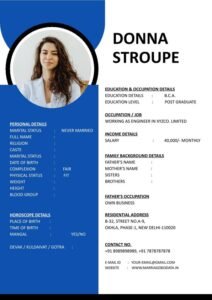
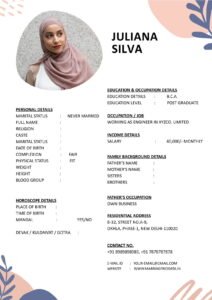
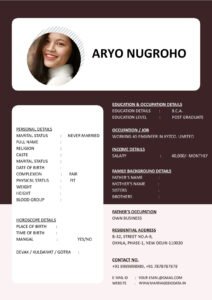
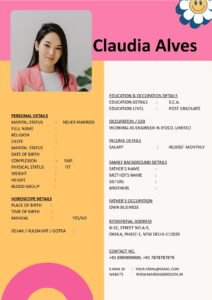
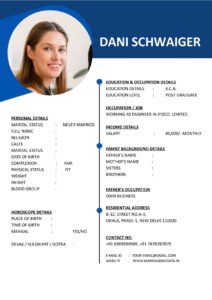
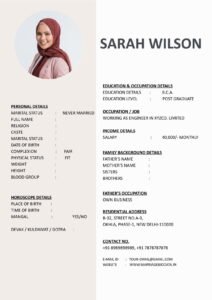
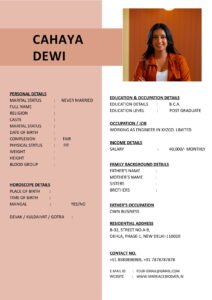
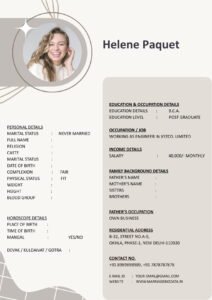
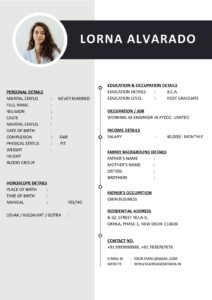
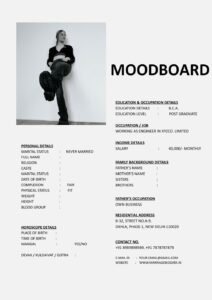
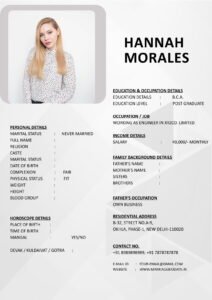
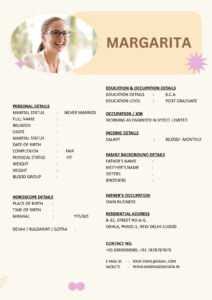
Why Length Matters in a Marriage Biodata
In arranged marriage settings, families often review multiple profiles in one sitting. If your biodata for marriage is too short, it may look incomplete. If it is too long, it may feel overwhelming.
The right length ensures:
- All important details are included
- The document feels structured
- Information is easy to scan
- The reader stays engaged
Length should support clarity — not replace it.
Perfect Word Count: How Long Should a Marriage Biodata Be?
Ideal Length in Pages
The ideal length of a marriage biodata format is:
- 1 to 2 pages maximum
This range allows you to cover all essential information without overwhelming the reader.
Ideal Word Count
In terms of words, a well-balanced matrimonial biodata usually falls between:
- 400 to 700 words
This includes bullet points and short introduction sections.
Remember, quality matters more than quantity.
Step-by-Step Guide to Maintaining the Perfect Length
Step 1: Start With Essential Personal Details
Include only necessary information:
- Full Name
- Age / Date of Birth
- Height
- Location
- Religion (if relevant)
Avoid unnecessary descriptions here.
Step 2: Write a Short Personal Introduction
Keep it within 3–5 lines.
Example:
“I am a career-oriented yet family-focused person who values honesty and mutual respect. I believe in maintaining a balanced professional and personal life.”
Do not turn this into a full essay.
Step 3: Summarize Education and Career
Present career details clearly but concisely:
- Highest Qualification
- Current Job Title
- Company / Industry
- Work Location
- Approximate Annual Income
Avoid listing every achievement or certification.
Step 4: Keep Family Background Structured
- Father’s Occupation
- Mother’s Occupation
- Siblings
- Family Type
Short bullet points are enough.
Step 5: Include Lifestyle and Interests Briefly
2–3 lines are sufficient.
Example:
“I enjoy traveling, fitness activities, and spending quality time with family.”
Step 6: Write Clear Partner Expectations
Keep expectations realistic and concise:
- Well-educated and understanding
- Family-oriented with positive outlook
No need for long lists.
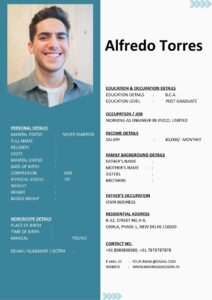
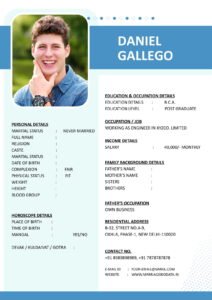
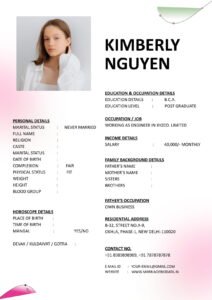
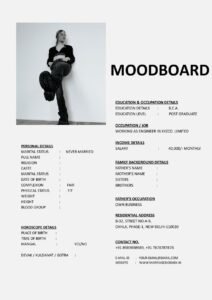
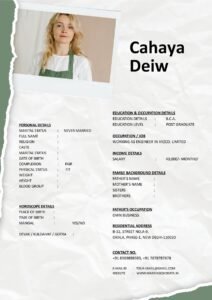
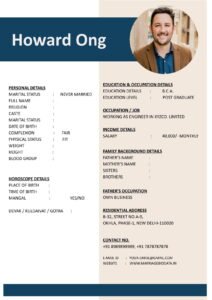
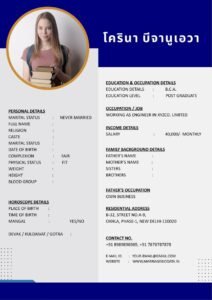
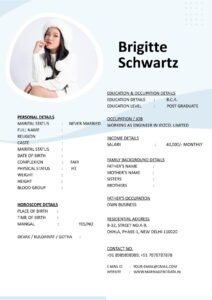
Step 7: Use a Structured Biodata Template
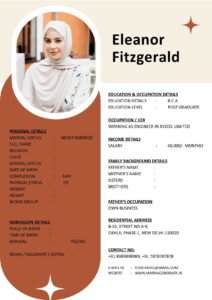
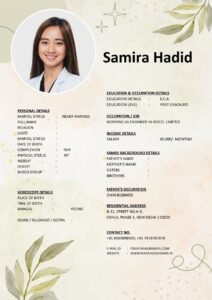
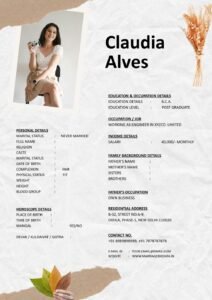
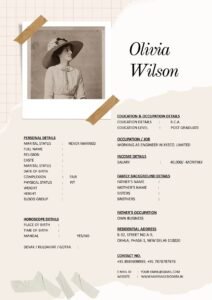
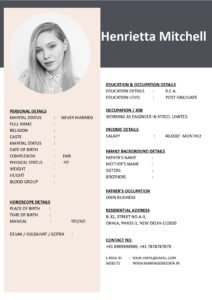
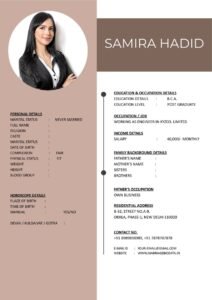
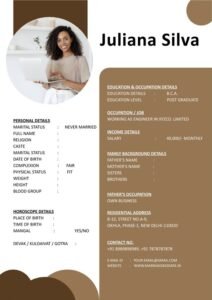
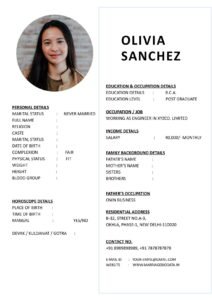
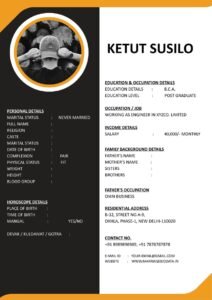
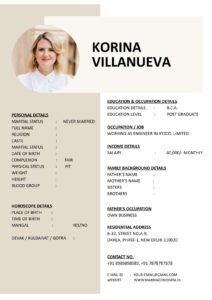
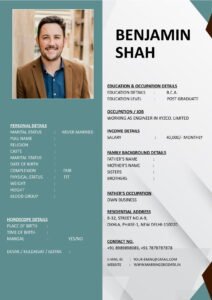
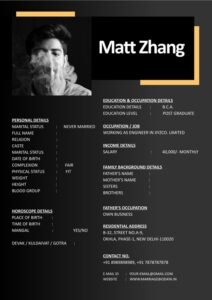
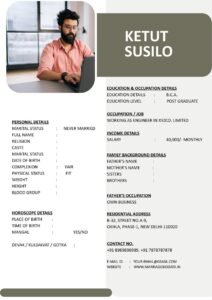
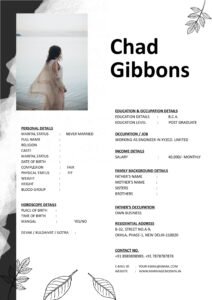
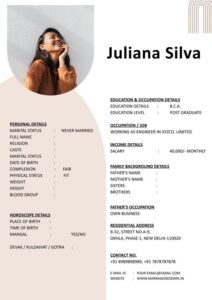
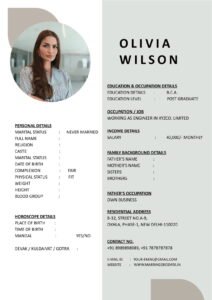
Proper formatting automatically keeps your content balanced. If you are unsure, you can explore professionally designed biodata templates at https://marriagebiodata.in/ and customize one according to your details.
A good biodata template prevents unnecessary length.
Real-Life Example
Amit created a 4-page marriage CV describing his career achievements in detail. While impressive, families found it lengthy and difficult to scan.
He then revised his marriage biodata format by:
- Summarizing career details
- Converting paragraphs into bullet points
- Reducing introduction to 4 lines
- Keeping the entire document within 2 pages
The updated version received better responses because it was easier to read.
Common Mistakes to Avoid
- Writing more than 3 pages
- Adding unnecessary personal stories
- Listing too many professional achievements
- Using long paragraphs without breaks
- Repeating information in multiple sections
Clarity should always guide your word count.
Pro Tips for Maintaining Perfect Length
1. Use Bullet Points
Bullet points reduce word count while increasing clarity.
2. Avoid Repetition
Do not mention the same information in multiple sections.
3. Focus on Relevance
Ask yourself: Is this detail necessary for marriage discussions?
4. Keep Formatting Clean
A clean marriage biodata format with proper spacing improves readability.
5. Edit Before Sharing
Remove extra lines and simplify sentences.
6. Use a Ready-Made Biodata Template
If you struggle with structure, download easy-to-edit biodata templates from https://marriagebiodata.in/ to maintain ideal length automatically.
Why Short and Structured Works Best
In matrimonial discussions, clarity builds trust.
A well-sized matrimonial biodata shows:
- Organized thinking
- Respect for the reader’s time
- Confidence
- Communication skills
The goal is to give complete information without overwhelming the reader.
Conclusion
So, what is the perfect word count and length for a marriage biodata?
Ideally, 1–2 pages and around 400–700 words. Enough to explain who you are, but not so much that it becomes tiring to read.
A balanced biodata for marriage should include personal details, education, profession, family background, lifestyle, and expectations — all presented clearly and concisely.
Remember, marriage is about connection, not competition. Your marriage CV should feel structured, sincere, and easy to understand.
Keep it simple. Keep it honest. Keep it balanced.
Frequently Asked Questions (FAQs)
1. Is one page enough for a marriage biodata?
Yes, if all essential details are covered clearly. One to two pages is ideal.
2. Can a marriage biodata be more than 2 pages?
It is not recommended. Longer documents reduce readability and interest.
3. Should I include detailed career achievements?
No. Summarize your career clearly without turning it into a resume.
4. How many words should a matrimonial biodata contain?
Generally between 400–700 words, depending on structure and formatting.
5. Where can I find structured biodata templates?
You can explore clean and professionally designed biodata templates at https://marriagebiodata.in/.